
Table of Contents
- The Latest Military Strikes Happened Over Two Days
- Videos Of The Attacks Quickly Spread Online
- Critics Raise Questions About Use Of Military Force
- Trump Frames The Campaign As A War
- Venezuela Has Become Central To The Pressure Campaign
- Supporters Believe Aggressive Action Is Necessary
- Critics Fear Civilian Casualties And Escalation
- The Campaign Is Already One Of The Largest In Years
- Why The Story Is Drawing Worldwide Attention
- The Human Reality Behind The Headlines
- What Happens Next Could Reshape U.S. Policy
The Latest Military Strikes Happened Over Two Days
According to U.S. Southern Command, American forces struck five separate boats during operations conducted across Tuesday and Wednesday.
Military officials stated the vessels were allegedly involved in drug smuggling activities along known trafficking corridors.
Authorities said three people were killed during the first attack while another five died during separate strikes the following day.
Officials also acknowledged that multiple individuals jumped into the water before some of the boats were destroyed and may have survived.
Southern Command said the U.S. Coast Guard was notified immediately afterward in order to begin search and rescue operations.
However, the military did not publicly confirm whether any survivors were ultimately rescued.
That uncertainty has become one of the most controversial aspects surrounding the broader campaign.
Videos Of The Attacks Quickly Spread Online
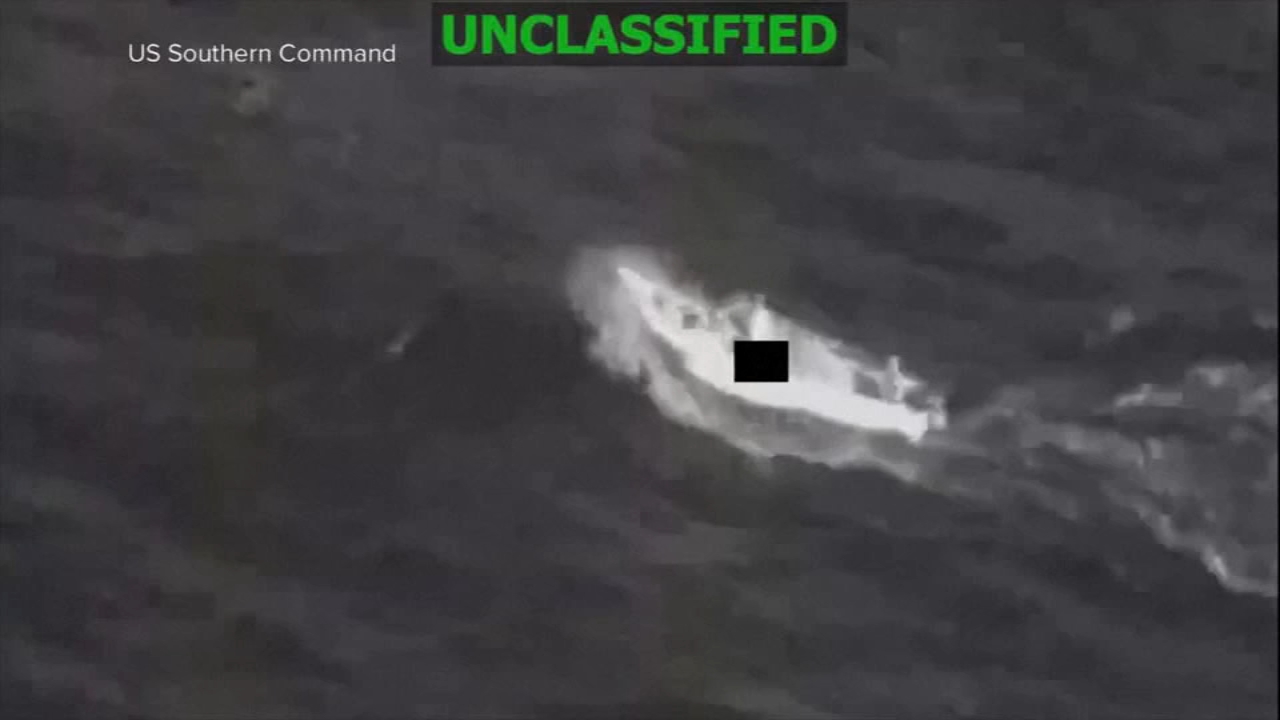
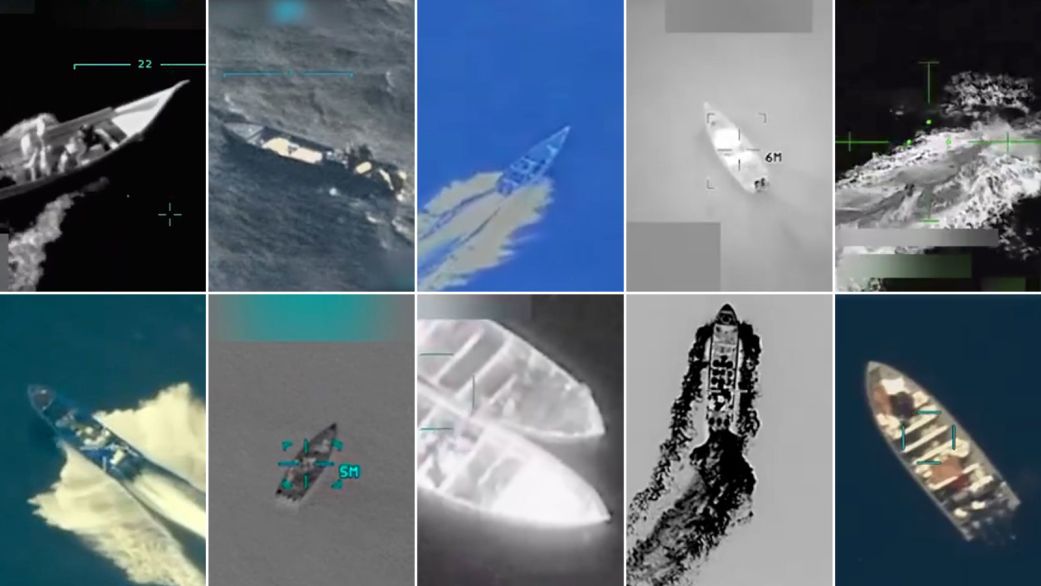
Military footage released online showed several boats traveling together in unusually close formation before explosions erupted across the water.
According to Southern Command, officials believed narcotics had been transferred between the vessels shortly before the strikes occurred.
The military described the boats as part of a convoy operating along established trafficking routes.
However, officials did not publicly release evidence proving narcotics were present aboard the vessels at the time of the attacks.
That lack of publicly available evidence has fueled criticism from some legal experts and lawmakers questioning how targets are identified and verified before deadly force is used.
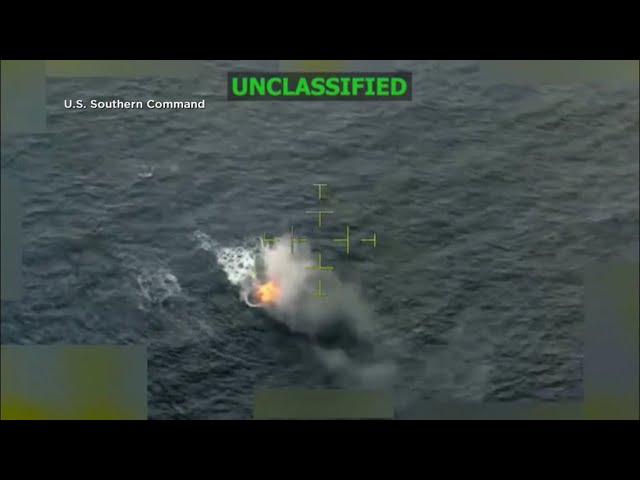
Videos released by the military showed explosions tearing through boats at sea, sending smoke and debris into the air.
For many viewers, the scenes looked more like wartime combat footage than traditional anti drug enforcement operations.
Critics Raise Questions About Use Of Military Force
The growing military campaign has sparked increasingly heated debate in Washington and internationally.
Some lawmakers and legal scholars argue the United States may be stretching legal boundaries by conducting lethal military strikes against suspected smugglers outside traditional war zones.
Concerns intensified especially after previous incidents where survivors reportedly remained aboard damaged vessels before additional strikes occurred.
In one earlier operation that drew national scrutiny, critics accused U.S. forces of targeting disabled boats after survivors were already stranded at sea.
Some Democratic lawmakers argued those follow up attacks may have violated international law.
The Trump administration and several Republican allies strongly rejected those accusations, insisting the strikes were lawful under America’s anti narcotics operations and national security authority.
The debate now appears likely to intensify further as the number of strikes continues rising.
Trump Frames The Campaign As A War
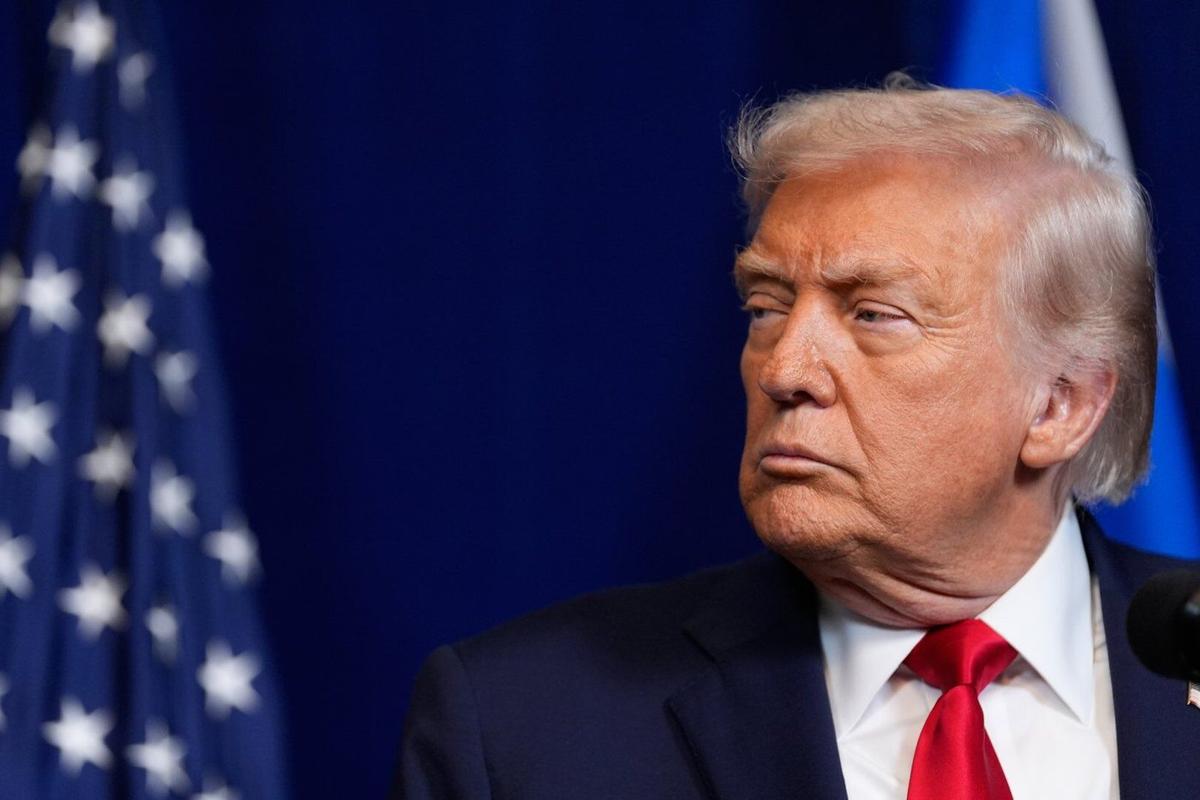
President Donald Trump has repeatedly defended the escalating operations by describing drug cartels as national security threats equivalent to enemy combatants.
Trump has argued that narcotics trafficking organizations are responsible for devastating American communities through fentanyl, cocaine, methamphetamine, and violent criminal networks.
Under that framing, the administration portrays military strikes as necessary defensive actions rather than ordinary law enforcement measures.
The president has publicly stated that the United States is engaged in an “armed conflict” with drug cartels.
That language is significant because it potentially expands the legal and political justification for military involvement.
Traditionally, anti drug enforcement relied heavily on intelligence operations, Coast Guard interdictions, arrests, extraditions, and international cooperation.
The current strategy increasingly resembles military counterinsurgency operations.
Venezuela Has Become Central To The Pressure Campaign
The strikes are also closely tied to broader U.S. pressure efforts targeting Venezuelan President Nicolás Maduro.
American officials have accused Maduro and elements within his government of involvement in narcotics trafficking and narco terrorism activities.
The Trump administration has dramatically increased military presence across the Caribbean and nearby waters in response.
According to reports, the CIA was also linked to a recent drone strike targeting a docking area allegedly used by Venezuelan drug cartels.
That operation reportedly marked the first known direct American strike occurring on Venezuelan soil since the broader military campaign began.
If confirmed, it would represent a major escalation with potentially serious geopolitical consequences.
Venezuela has long accused the United States of attempting to destabilize its government through sanctions, covert operations, and military pressure.
The latest developments risk pushing tensions even higher.
Supporters Believe Aggressive Action Is Necessary
Supporters of the military campaign argue traditional anti drug enforcement methods have failed to stop cartel operations.
They point to the continuing flood of narcotics entering the United States and the growing death toll from overdoses involving fentanyl and other substances.
For many conservatives, stronger military action reflects frustration with decades of ineffective drug enforcement policies.
Some Republican lawmakers argue cartels operate with military level sophistication and should be treated as organized armed threats rather than ordinary criminal groups.
Supporters also believe aggressive operations may disrupt trafficking routes, weaken cartel logistics, and deter future smuggling efforts.
From this perspective, the strikes are viewed not only as tactical operations but as demonstrations of American resolve.
Critics Fear Civilian Casualties And Escalation
Opponents of the strategy warn that military operations at sea carry enormous risks, especially when details surrounding targets remain unclear publicly.
Human rights advocates argue there is often limited transparency surrounding intelligence assessments used to justify strikes.
Some fear innocent fishermen or civilians could eventually become caught in the violence.
Others warn the increasing militarization of anti narcotics operations may create broader regional instability.
Critics also question whether military strikes alone can meaningfully reduce drug trafficking over the long term.
Historically, cartel networks often adapt quickly when routes or leaders are disrupted.
Many analysts argue demand for narcotics inside the United States remains one of the primary drivers sustaining trafficking networks regardless of enforcement intensity.
The Campaign Is Already One Of The Largest In Years
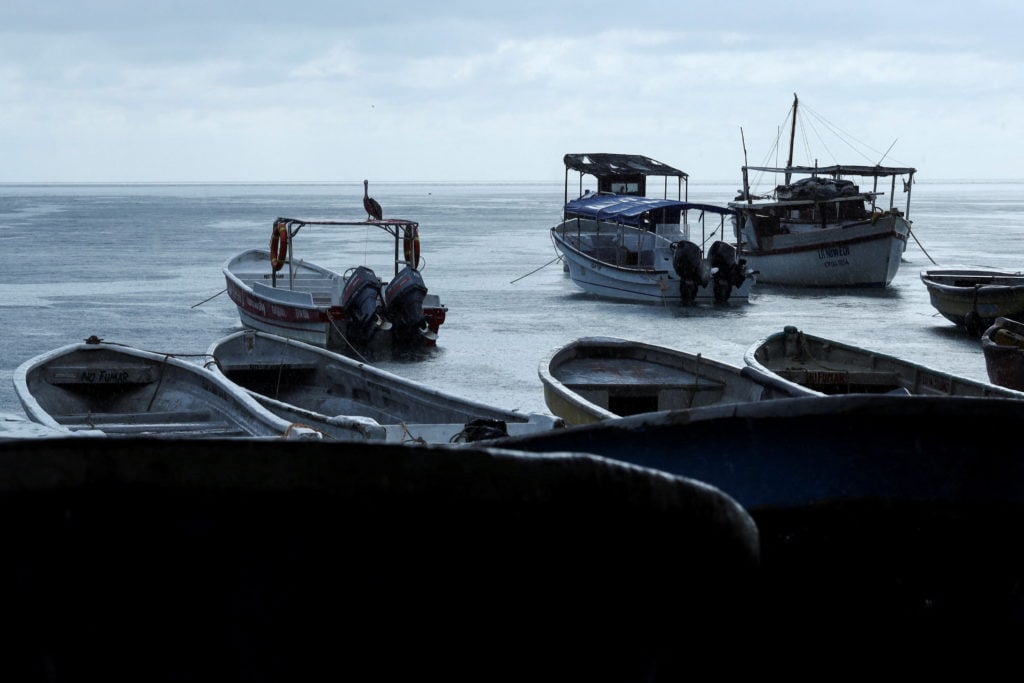
According to official figures, at least 35 boat strikes have occurred since the campaign intensified in September.
More than 115 people have reportedly been killed during those operations.
Those numbers make the campaign one of the most aggressive anti cartel military efforts in recent American history.
The pace of operations suggests the administration is unlikely to slow down anytime soon.
Military deployments throughout the region have expanded significantly while intelligence and surveillance efforts continue increasing.
Observers say the administration appears determined to establish overwhelming pressure on trafficking routes connected to South and Central America.
Why The Story Is Drawing Worldwide Attention
The reason these operations are attracting global attention is because they blur traditional boundaries between military warfare and criminal enforcement.
Normally, anti drug missions involve arrests, seizures, and prosecutions.
Now, however, military aircraft, drone operations, naval forces, and lethal strikes are becoming increasingly central to the strategy.
That transformation changes how both allies and adversaries view America’s role in the region.
Some governments quietly support stronger pressure against narcotics organizations.
Others fear escalating military actions could destabilize regional diplomacy or increase anti American sentiment.
The campaign also raises broader questions about future military doctrine.
If drug cartels are treated as wartime enemies, similar justifications could potentially expand into other transnational criminal threats.
The Human Reality Behind The Headlines
Amid political arguments and military strategy discussions, there remains a deeply human side to these operations.
People are dying at sea.
Families are losing relatives.
Survivors may be stranded in open water following explosions.
Even if individuals aboard the boats were involved in trafficking, the images of burning vessels and possible survivors floating in the ocean create difficult moral questions for many observers.
Modern warfare and security operations increasingly unfold through viral videos and social media clips.
The emotional impact of those images often shapes public opinion faster than official statements.
For some Americans, the footage represents strength and decisive action.
For others, it raises fear about how quickly military force is becoming normalized outside conventional battlefields.
What Happens Next Could Reshape U.S. Policy
The Trump administration’s expanding anti cartel strategy may ultimately reshape how the United States approaches organized crime globally.
If the operations continue escalating, additional military deployments, covert operations, and direct strikes could follow.
At the same time, legal challenges and international criticism are likely to grow.
Questions surrounding sovereignty, rules of engagement, civilian safety, and constitutional war powers may increasingly dominate public debate.
The campaign also risks drawing the United States deeper into confrontations involving Venezuela and other regional actors.
What began as anti narcotics enforcement now carries implications involving diplomacy, military escalation, and international law.
And as more strikes occur across the Caribbean and Pacific waters, one thing is becoming increasingly clear.
America’s war against drug cartels is no longer being fought only in courtrooms, border checkpoints, or intelligence offices.
It is now unfolding directly on the open sea with missiles, explosions, and deadly consequences that may shape regional security for years to come.