
Table of Contents
- When Illinois Lawmakers Target Firearm Safety
- Understanding the Bill and Its Purpose
- The NRA and Opposition Views
- Lawmaker Perspectives and Public Safety Arguments
- Chicago and the Glock Controversy
- Mental Health Evaluation and Gun Access
- Balancing Rights and Public Safety
- Community Reactions and Stakeholder Input
- Legal Challenges and Potential Outcomes
- Implications for Illinois and Beyond
When Illinois Lawmakers Target Firearm Safety
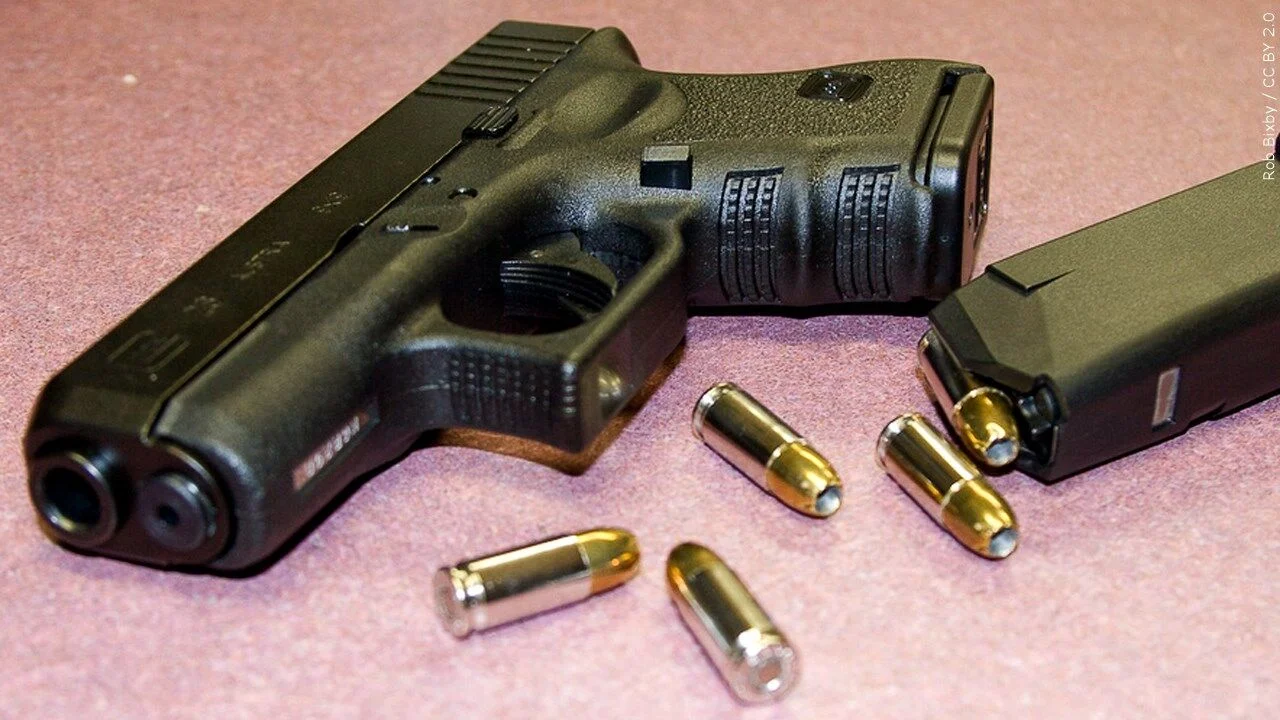
Springfield, Illinois is witnessing a significant moment in gun legislation as state lawmakers deliberate House Bill 4471, a proposal that would ban semiautomatic pistols featuring a cruciform trigger bar, a design commonly found in Glocks. The measure, approved by the House Gun Violence Prevention Committee by a 9-5 vote along party lines, aims to prevent modifications that could convert a legal pistol into a machine gun.
The bill has ignited a heated debate among gun rights advocates, lawmakers, and public safety organizations. While supporters frame the legislation as a consumer safety measure, opponents argue it unfairly targets law-abiding gun owners and raises constitutional concerns. What follows is a detailed look at the legislation, the debate surrounding it, and the broader implications for firearm regulation and public safety in Illinois.
Understanding the Bill and Its Purpose

House Bill 4471 specifically targets pistols with a cruciform trigger bar, a design that can be altered to install illegal switches. Rep. Justin Slaughter, the bill’s sponsor, described it as a public safety initiative that encourages responsible gun manufacturing. “This continues to support smart, sensible gun ownership,” Slaughter said, emphasizing that consumers still have access to alternative pistols without this firing mechanism, including options from Springfield Armory.
Supporters argue that the legislation is preventative. By pressuring manufacturers to adopt safer designs, the bill aims to eliminate a potential source of criminal activity before it occurs. Advocates point to other states, including California, Maryland, and Connecticut, that have passed similar measures to encourage manufacturers to prioritize safety.
The NRA and Opposition Views
The National Rifle Association (NRA), represented by Illinois Director John Weber, warned that the bill would effectively ban Glocks from being sold in Illinois. The organization argues that such a ban infringes upon the rights of law-abiding gun owners and may not have a meaningful effect on reducing violent crime. Weber noted the potential for legal challenges, as Glocks are widely regarded as “common use” firearms in the United States.
Republican lawmakers echoed these concerns. Rep. C.D. Davidsmeyer highlighted the unintended consequences for law-abiding citizens. “Every time some criminal goes out with a gun, you all threaten to take away my rights to protect my family,” he said, emphasizing the need to balance public safety with constitutional protections.
Lawmaker Perspectives and Public Safety Arguments
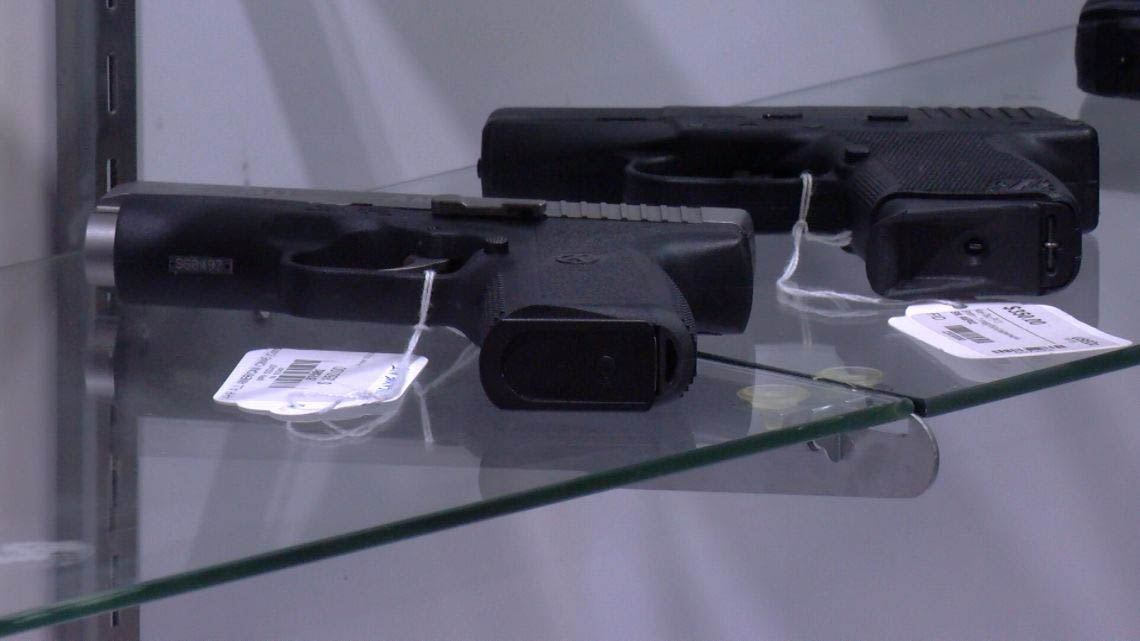
Rep. Slaughter and gun violence prevention advocates have framed the legislation as a measure targeting the firearms industry rather than individual gun owners. By mandating safer designs, proponents argue, the legislation reduces the risk of easily convertible firearms being used in violent crimes.
Kathleen Sances, president of the Gun Violence Prevention PAC, stressed the importance of addressing the source. “The Responsible Gun Manufacturing Act will go to the root cause by holding the gun industry accountable,” she said, highlighting the potential to prevent future deaths. Slaughter noted that Glock already sells a compliant model in Europe, suggesting the technical modifications are feasible.
Chicago and the Glock Controversy
The introduction of House Bill 4471 comes nearly two years after the city of Chicago filed a lawsuit against Glock, alleging that the company produced firearms that were easily modifiable with illegal switches. Chicago police have recovered 1,300 modified Glocks linked to criminal activity, bolstering the argument for legislative intervention. The lawsuit continues through the courts, further highlighting the controversy surrounding these firearms.
This broader legal context underscores why lawmakers in Springfield view the bill as part of a comprehensive approach to public safety. It is not merely about restricting sales but encouraging industry-wide changes to prevent firearms from being easily converted into weapons capable of mass harm.
Mental Health Evaluation and Gun Access

Alongside House Bill 4471, the committee approved House Bill 5209, aimed at refining mental health evaluations for restoring Firearm Owner Identification (FOID) cards. This bill establishes new training requirements for evaluators and sets clear procedures for individuals seeking to regain firearm access following mental health treatment.
Proponents argue that these measures create more consistent and accurate assessments of individuals’ fitness to own firearms. Critics, including the Illinois State Rifle Association, warn that overly restrictive policies could deter individuals from seeking necessary mental health treatment for fear of losing their FOID privileges. Ed Sullivan, an ISRA lobbyist, questioned the fairness of penalizing individuals for short-term treatment, citing postpartum depression cases as an example of where the law may inadvertently punish those seeking help.
Balancing Rights and Public Safety
The debate surrounding HB 4471 and HB 5209 reflects a broader tension between gun rights and public safety. Supporters emphasize that requiring safer firearm designs and accurate mental health assessments prevents deaths and protects communities. Opponents caution that sweeping bans or overly stringent rules risk infringing on constitutional rights and may unintentionally harm responsible gun owners.
This tension is mirrored in national debates, where policymakers grapple with how to reduce gun violence without compromising lawful ownership. Illinois’ approach, which combines equipment design regulations with mental health safeguards, represents a multifaceted strategy aimed at addressing both technological and social dimensions of gun safety.
Community Reactions and Stakeholder Input
Public response has been divided. Advocates for gun reform see the bill as a long-overdue step toward reducing crime and encouraging industry accountability. Local media coverage has highlighted instances of firearms being modified and used in violent acts as evidence of the need for legislative action.
Conversely, gun owners and rights groups argue that legislation like HB 4471 unfairly targets law-abiding citizens and may not effectively deter criminal activity. Online forums and community meetings have reflected these polarized perspectives, demonstrating the deep cultural and political divides surrounding firearm policy.
Legal Challenges and Potential Outcomes
If passed, HB 4471 is expected to face immediate legal challenges from gun rights organizations. California’s similar law, banning firearms with the same trigger bar design, is already under litigation, with the NRA claiming the measure violates constitutional protections. Illinois’ law could be subject to comparable arguments, particularly regarding the designation of Glocks as “common use” firearms.
Legal experts predict that courts will weigh the state’s interest in public safety against potential infringements on lawful gun ownership. These rulings could set important precedents for firearm legislation nationwide, influencing the trajectory of gun regulation policy.
Implications for Illinois and Beyond

Illinois’ consideration of a ban on Glocks and related firearms highlights the ongoing national debate over gun safety, manufacturing accountability, and the balance of rights and responsibilities. The legislation, paired with reforms to mental health evaluations, reflects a comprehensive approach aimed at reducing firearm-related risks while maintaining lawful access for responsible citizens.
The bills’ passage, or any subsequent legal challenges, will have significant implications for the firearm industry, gun owners, and public safety initiatives. As Illinois navigates this contentious issue, the outcomes may influence legislative strategies in other states, setting standards for firearm design, mental health assessments, and the intersection of law, safety, and constitutional rights.
Ultimately, the discussion underscores a critical societal question: how to prevent misuse and enhance public safety without unduly restricting the rights of lawful gun owners. Illinois’ debate will continue to shape the conversation on responsible gun ownership, public protection, and the role of government in regulating firearms in the coming years.