

Table of Contents
- Kentucky Student Sentenced For Racist Campus Attack
- The Night That Shocked A Campus
- A Viral Video Becomes National News
- The Charges And Guilty Plea
- The Sentence In Fayette County Court
- The University’s Response
- Kylah Spring’s Composure Became A Symbol
- Why The Case Hit A Nerve
- The Defense Argument
- Rosing’s Apology In Court
- The Role Of Social Media
- What The Case Means For Campus Accountability
- A Viral Case With A Lasting Lesson
Kentucky Student Sentenced For Racist Campus Attack
When video of a former University of Kentucky student verbally and physically attacking a Black student worker spread across social media, the country watched a campus incident turn into a national conversation about racism, accountability, privilege, and restraint. Nearly two years after the November 2022 confrontation, Sophia Rosing, 23, was sentenced to 12 months in jail after pleading guilty to multiple misdemeanor charges connected to the viral attack.
The case centered on Kylah Spring, a Black student who was working an overnight shift at a residence hall front desk when Rosing entered the building while visibly intoxicated. What began as a routine interaction quickly became a disturbing scene captured on video. Rosing repeatedly used racial slurs, pushed and struck Spring, and later assaulted a police officer during her arrest, according to court records and local reports.
The sentence handed down by Fayette Circuit Court Judge Lucy Vanmeter brought a legal conclusion to a case that had already left a lasting mark on the University of Kentucky community. But the story did not end with a jail term. It became a warning about how one moment of public behavior can expose deeper questions about racism, campus safety, social media accountability, and the emotional burden placed on victims who are expected to stay calm while being abused.
The Night That Shocked A Campus
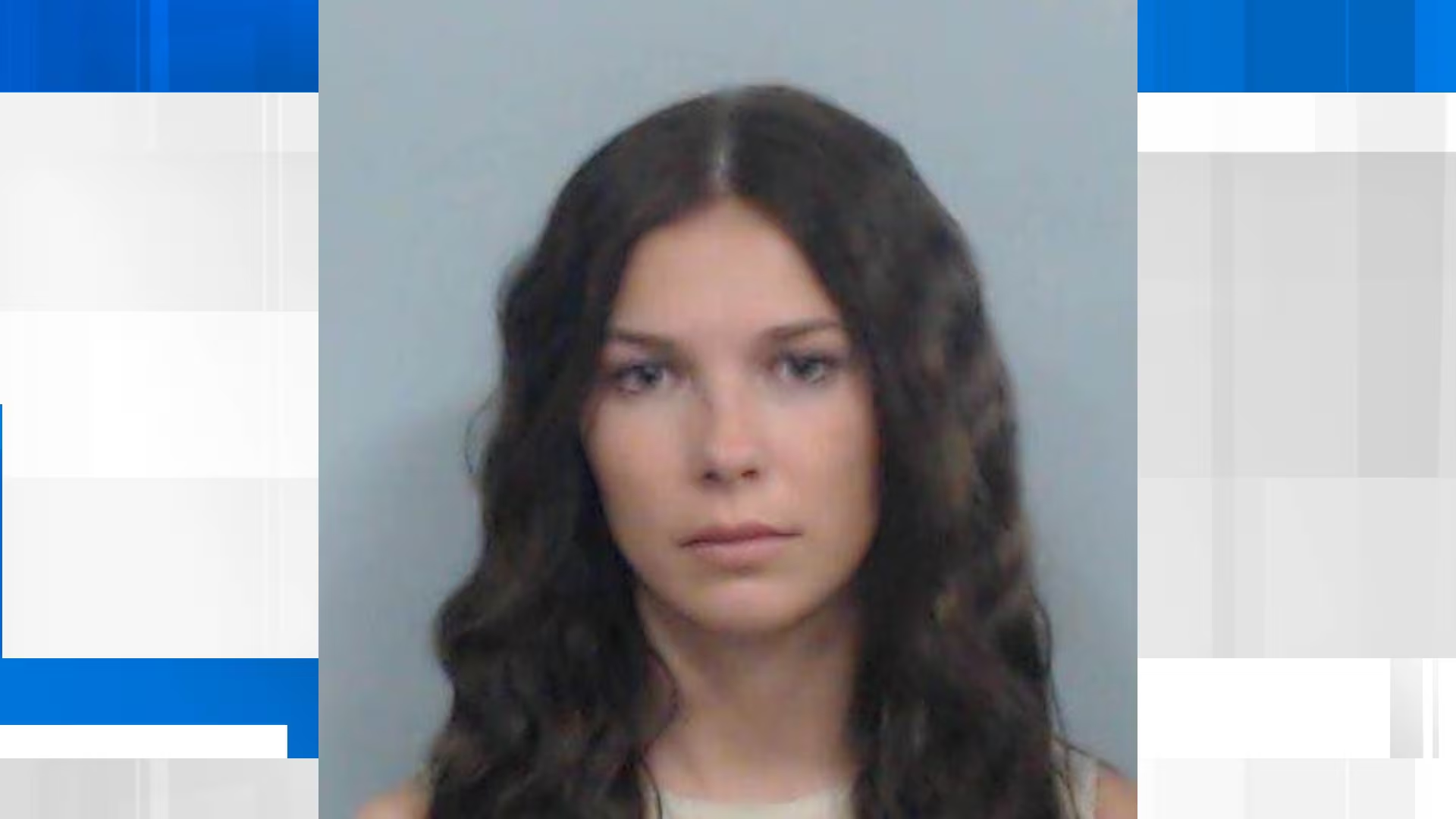
The incident happened on November 6, 2022, inside a University of Kentucky residence hall. Spring, then a freshman, was working the front desk during an overnight shift when Rosing entered the building. Reports said Rosing did not have proper identification and appeared heavily intoxicated.
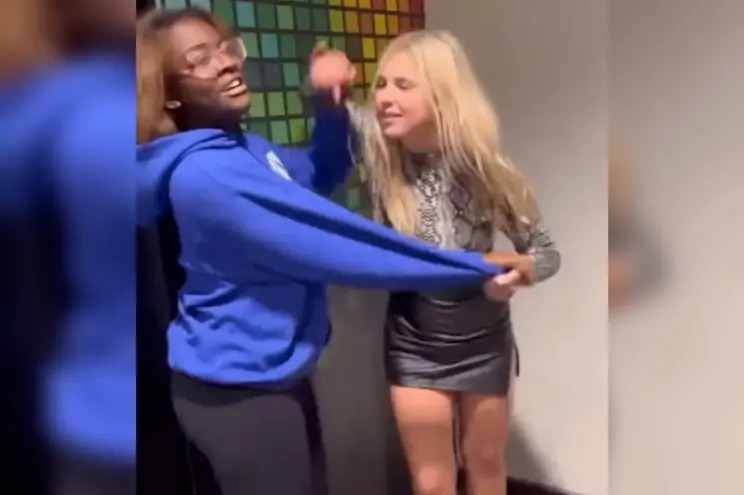
Spring reportedly asked if she was okay, a question that should have been ordinary and even compassionate. Instead, the encounter escalated. Video from the scene showed Rosing directing racist insults at Spring while also physically confronting her. The clip quickly spread online, drawing anger from students, alumni, parents, civil rights advocates, and people across the country.
What made the video especially powerful was Spring’s composure. While Rosing shouted and pushed, Spring remained calm and repeatedly tried to handle the situation without retaliating. For many viewers, that restraint became one of the most important parts of the story. It showed the pressure placed on Black students and workers in moments where any reaction could be judged harshly, even when they are the ones being targeted.
A Viral Video Becomes National News
The video did not stay local for long. It spread on TikTok and other platforms, turning a campus confrontation into a national headline. Millions of people saw the footage or heard about it through news coverage. The outrage was immediate because the incident was not only about intoxication or disorderly behavior. It was about a racial attack that happened in a university setting where students are supposed to feel safe.
Viral videos often shape public understanding of a case before the legal system catches up. In this situation, viewers were not relying only on written reports. They could see Spring standing at work. They could hear the abuse. They could watch the way the confrontation unfolded. That visual evidence gave the story a force that ordinary police reports rarely carry.
The public response also put pressure on the university. Students wanted reassurance that racism would be taken seriously. Families wanted to know whether their children were safe on campus. The university was forced to respond not only to the criminal case, but also to the larger damage done to trust inside the campus community.
The Charges And Guilty Plea
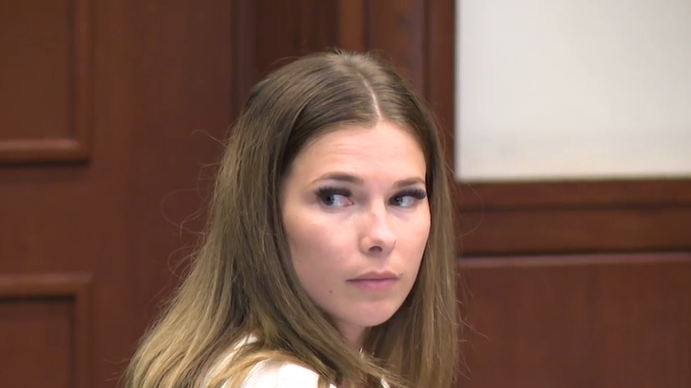
Rosing was arrested the night of the incident and initially pleaded not guilty. In 2023, a grand jury indicted her on multiple counts, including assault and public intoxication-related charges. The case moved through the legal system for nearly two years before she entered a guilty plea in August 2024.
She pleaded guilty to four counts of fourth-degree assault, one count of disorderly conduct, and one count of alcohol intoxication. One of the assault counts was connected to her actions toward a police officer, including allegations that she kicked the officer and bit his hand during the arrest process.
The guilty plea was a major step because it removed the need for a trial and acknowledged criminal responsibility for the conduct. But it did not erase the emotional impact of the incident. For Spring and for many people who saw the video, the case had never been only about court charges. It was about the public humiliation, the racial hostility, and the way a student worker was forced to endure abuse while simply doing her job.
The Sentence In Fayette County Court
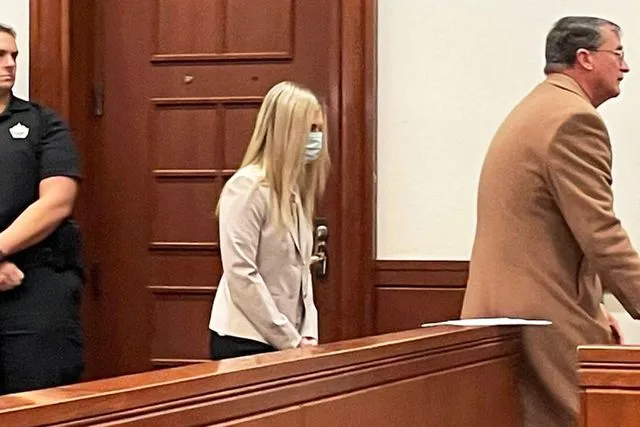
On October 17, 2024, Fayette Circuit Court Judge Lucy Vanmeter sentenced Rosing to 12 months in jail. The sentence applied to each of the four assault counts, with the terms running at the same time. Rosing was also ordered to complete 100 hours of community service and pay a $25 fine.
The sentence drew strong reactions. Some people believed jail time was necessary because the attack involved both physical assault and racist abuse. Others, including Rosing’s attorney, argued that the punishment was harsh for a first offense and emphasized that she had been intoxicated at the time.
But the judge’s decision sent a clear message that the court viewed the conduct as serious. Intoxication did not remove responsibility. Public shame did not replace legal consequences. The fact that the incident went viral did not mean the courtroom would treat it as merely an online scandal. It was still a criminal case involving real people and real harm.
The University’s Response

The University of Kentucky acted quickly after the video spread. Rosing was expelled and permanently banned from campus. University President Eli Capilouto also publicly praised Spring for the way she handled the situation, describing her actions as professional and restrained.
That response mattered because universities are not only academic institutions. They are communities where students live, work, and build their futures. When a racist incident happens in a residence hall, the damage extends beyond the individuals directly involved. Other students may wonder whether they could be targeted next. Student workers may question whether the school will protect them while they are doing their jobs.
The university’s decision to remove Rosing from campus was meant to show that such conduct would not be tolerated. Still, for many students, the incident became a reminder that official statements are only one part of accountability. The deeper question is whether campus culture changes after the headlines fade.
Kylah Spring’s Composure Became A Symbol
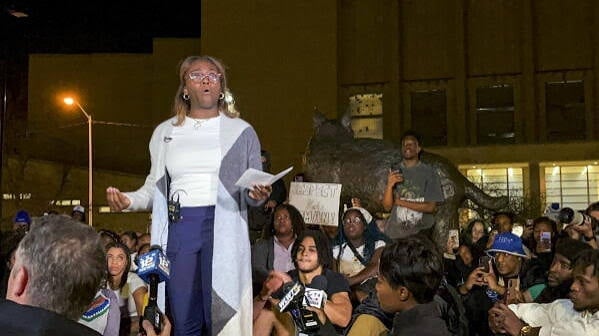
Spring’s response during the attack became one of the most widely discussed parts of the case. In interviews afterward, she explained that she felt she needed to remain calm because she feared the situation could be turned against her if she retaliated. That statement resonated with many Black viewers who understood the burden she was describing.
Her composure was not weakness. It was survival, professionalism, and self-protection. She was working. She was being recorded. She was being attacked. And she had to think about how her own reaction might be judged.
This is one reason the case sparked a larger conversation about the expectations placed on victims of racism. People often praise restraint, but they may not fully understand the emotional cost of having to remain calm while being dehumanized. Spring’s calmness helped prevent the situation from escalating further, but it also revealed how unfairly the burden of dignity can fall on the person being harmed.
Why The Case Hit A Nerve
The case went viral because it felt bigger than one student’s misconduct. It touched on race, alcohol, privilege, campus safety, and the power of video evidence. Many people saw the footage and felt they were witnessing not just a drunken outburst, but a raw display of racial hostility.
The fact that it happened at a university made the story even more disturbing. Colleges often promote themselves as diverse and inclusive spaces where students from different backgrounds can learn together. But incidents like this reveal the gap between institutional ideals and lived reality.
For Black students, especially those at predominantly white institutions, the video was painful because it reflected fears and experiences that many already know too well. For others, it was a shocking example of how quickly racism can appear in everyday spaces, even in a dormitory lobby.
The Defense Argument
Rosing’s attorney argued that the sentence was unfair and disproportionate. He said no one was injured to the extent of needing major medical treatment and emphasized that Rosing was extremely intoxicated. He also described the sentence as harsh for a first offense.
That argument raised a familiar legal and public debate. How much should intoxication matter when a person commits a racist and physical attack? Should a first offense receive leniency when the conduct is captured on video and causes widespread harm? Does reputational damage count as punishment, or should the legal system still impose jail time?
The court’s sentence suggested that public embarrassment and intoxication were not enough to avoid custody. The conduct involved multiple victims, physical contact, racial abuse, and aggression toward law enforcement. For the judge, the case required a sentence that reflected the seriousness of the behavior.
Rosing’s Apology In Court
At sentencing, Rosing apologized in court and reportedly said she had never used the racial slur before and would never use it again. Apologies in cases like this are complicated. They may be sincere, strategic, incomplete, or all of those at once. The public often struggles to know how to receive them.
For victims, an apology cannot undo what happened. It cannot erase a video that millions of people saw. It cannot remove the humiliation or fear from that night. But it can be part of accountability if it is matched by real understanding and changed behavior.
Still, many people remain skeptical of apologies that come after legal consequences become unavoidable. The deeper issue is not only whether Rosing regrets what happened, but whether the case pushes others to examine the attitudes, environments, and behaviors that allow racial harassment to occur.
The Role Of Social Media
Without social media, the incident may have remained a local campus case. Because of social media, it became a national story. The video gave people direct access to the incident and made it difficult for institutions to minimize what happened.
But social media also changes the life of everyone involved. Victims may receive support, but they also face unwanted attention. Defendants may face public condemnation before trial. Communities may become divided. The court system must still move slowly through evidence and procedure while the internet has already reached a verdict.
In this case, the viral video helped bring visibility to Spring’s experience and forced public accountability. It also turned the case into an example of how digital evidence can shape modern justice. The camera did not replace the courtroom, but it changed the public conversation around it.
What The Case Means For Campus Accountability
The sentencing of Sophia Rosing sends a message that racist and physical attacks on campus can carry real consequences. Expulsion, public backlash, criminal charges, jail time, and community service all became part of the outcome.
But accountability is not only about one person. Universities must ask what systems are in place to protect student workers, especially those working overnight shifts. They must consider how quickly staff respond to harassment, how victims are supported afterward, and whether students understand that racist conduct can end their academic careers.
For students, the case is also a reminder that one night can change everything. A moment of cruelty, intoxication, or violence can become a permanent public record. But more importantly, it can harm another person in ways that no apology can fully repair.
A Viral Case With A Lasting Lesson
The sentencing of Sophia Rosing closed a major legal chapter in a case that began with a disturbing video from a University of Kentucky residence hall. But the story remains important because it captured something much larger than one drunken night. It showed the emotional weight of racism, the power of restraint, and the consequences that can follow when hateful conduct becomes public and criminal.
Kylah Spring was working when she was targeted. She did not ask to become part of a national conversation. Yet her composure became a symbol for many people who saw in her response both strength and the unfair burden placed on victims.
Rosing’s jail sentence, community service, and fine may satisfy the legal process, but the broader lesson belongs to the public. Racist behavior is not just offensive language. When paired with intimidation, physical aggression, and public humiliation, it becomes an act that can damage individuals and communities.
The case now stands as a warning to campuses everywhere. Diversity statements are not enough. Safety policies are not enough. True accountability requires action when students are harmed, support for those who are targeted, and consequences for those who cross the line from misconduct into abuse.
In the end, the viral video showed the country a painful moment. The sentencing showed that the legal system took it seriously. What remains is the challenge of making sure the lesson does not disappear once the headlines move on.