
Table of Contents
- A Lawmaker’s Statement Ignites A National Debate
- Why The Issue Became So Explosive
- Supporters Demand The Harshest Punishment
- Critics Warn About Constitutional Limits
- The Role Of Plea Deals
- Justice For Victims And Survivors
- The Political Power Of The Statement
- The Deterrence Question
- The Risk Of Unintended Consequences
- A Broader Criminal Justice Debate
- What Lawmakers Must Consider
- A Debate That Will Not Fade Quickly
A Lawmaker’s Statement Ignites A National Debate
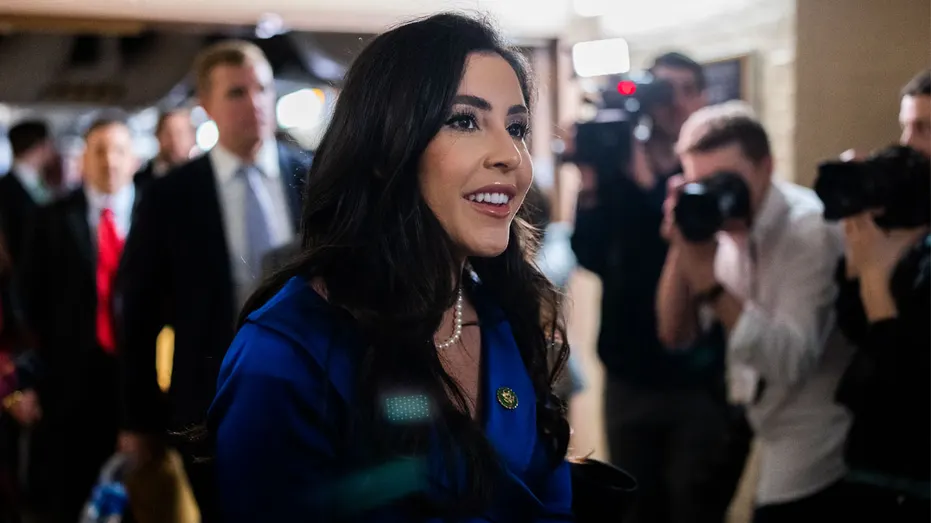
When Representative Anna Paulina Luna said that individuals convicted of child sexual abuse should face the death penalty instead of receiving plea deals, the reaction was immediate, emotional, and deeply divided. Her statement touched one of the most sensitive issues in American criminal justice: how far the legal system should go when punishing crimes against children.
For many people, crimes involving the sexual abuse of minors are viewed as among the most horrifying offenses imaginable. They involve vulnerable victims, lasting trauma, and a violation that can follow survivors for the rest of their lives. That is why Luna’s remarks struck a powerful chord with supporters who believe the justice system too often goes easy on offenders through plea agreements, reduced charges, or sentences they see as too lenient.
But the statement also raised major concerns among critics, legal analysts, and civil liberties advocates. Expanding capital punishment is not a simple political slogan. It involves constitutional limits, due process protections, questions of evidence, sentencing fairness, and the risk of irreversible mistakes. The debate is not only about punishment. It is about what kind of justice system the country wants to have when confronting its most emotionally charged crimes.
Why The Issue Became So Explosive
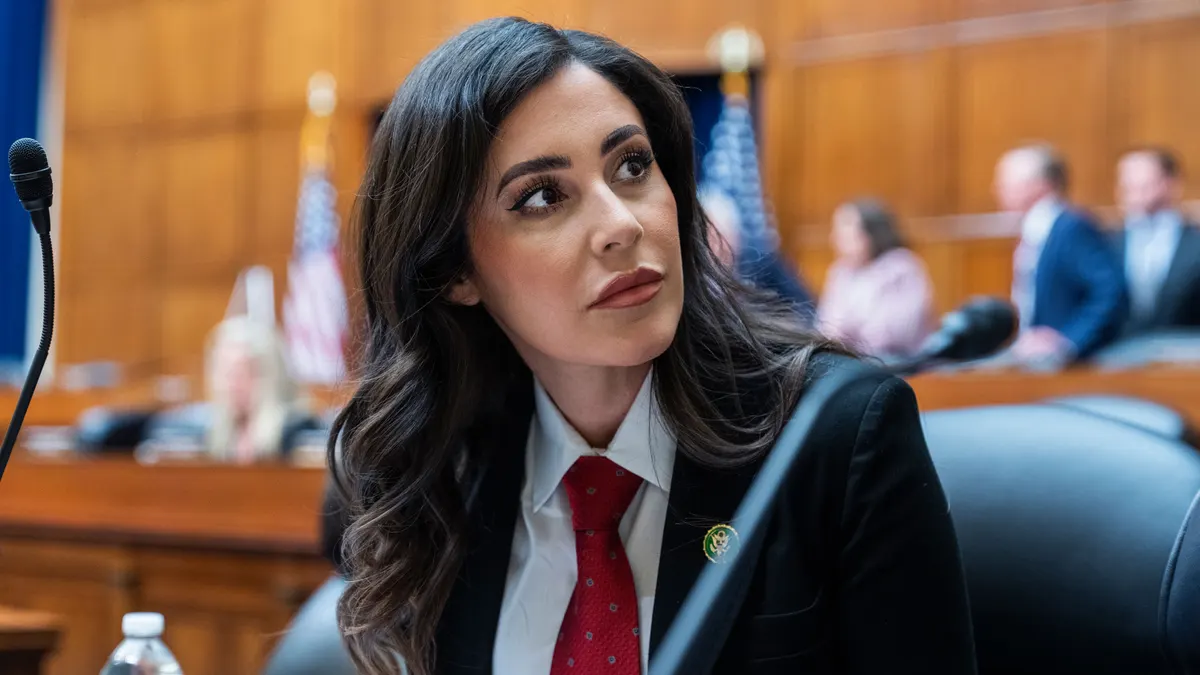
The topic became explosive because it combines three subjects that already generate intense public reaction: crimes against children, the death penalty, and plea bargaining. Each issue is controversial on its own. Together, they create a debate that is almost impossible to separate from emotion.
Luna’s remarks appeared to frame the issue in stark terms. In her view, people convicted of child sexual abuse should not be given plea deals that allow them to avoid the harshest punishment. Supporters hear that as a demand for stronger protection of children and a warning that the legal system must treat these crimes with maximum seriousness.
Critics hear something different. They worry that calls for the death penalty can create political pressure that overlooks constitutional law, the complexity of criminal prosecutions, and the rights of defendants to a fair process. They also warn that expanding death penalty laws could produce unintended consequences, including fewer guilty pleas, longer trials, and more trauma for victims who may be forced to testify.
That tension explains why the conversation has moved so quickly beyond one lawmaker’s statement. It has become a broader national argument over justice, deterrence, punishment, and the limits of state power.
Supporters Demand The Harshest Punishment
Supporters of Luna’s position argue that child sexual abuse is so severe that the justice system should reserve its strongest penalty for those convicted. They say children are among society’s most vulnerable members, and any crime that targets them deserves a response that reflects the full moral weight of the harm.
For many supporters, the issue is not abstract. They point to survivors who live with trauma, families who are shattered, and communities that struggle to understand how offenders can sometimes receive sentences that appear too light. In that context, the death penalty is seen by some as a statement that certain crimes cross a line beyond ordinary punishment.
They also argue that harsher penalties could deter potential offenders. The belief is simple: if the consequence is extreme enough, some people may think twice before committing such crimes. Supporters often frame this as a child protection issue, not merely a punishment issue.
To them, plea deals can feel like a betrayal. A plea agreement may save time and spare victims from trial, but it can also leave the public wondering whether justice was reduced for convenience. Luna’s remarks appear to tap into that frustration.
Critics Warn About Constitutional Limits

Critics of expanding capital punishment argue that the death penalty is surrounded by strict constitutional concerns. In the United States, the government cannot impose the ultimate punishment simply because a crime is horrible. Courts examine whether a punishment is proportionate, whether the process is fair, and whether constitutional protections are respected.
For critics, that matters because the death penalty is irreversible. Once carried out, an execution cannot be corrected if new evidence later emerges. This is one reason opponents of capital punishment often focus on wrongful convictions, unreliable testimony, false confessions, flawed forensic evidence, and unequal access to strong legal defense.
Cases involving child sexual abuse can be especially sensitive because evidence may be complex, victims may be young, and trials can involve deeply emotional testimony. Critics worry that extreme sentencing pressure could make the system more vulnerable to mistakes, especially in cases where the evidence is contested.
They also argue that emotional outrage, however understandable, should not be the foundation for criminal policy. In their view, the law must be built carefully, especially when life and death are at stake.
The Role Of Plea Deals
Luna’s remarks also brought renewed attention to plea bargaining, one of the most common and controversial parts of the American legal system. Many criminal cases are resolved through plea agreements rather than trials. In these deals, defendants may plead guilty in exchange for reduced charges, lighter sentences, or certainty about the outcome.
Supporters of plea deals argue that they are often necessary. Trials can be long, expensive, uncertain, and painful for victims. In cases involving minors, a plea deal may spare a child from testifying in court and reliving traumatic events under cross-examination. Prosecutors may also use plea agreements when evidence is strong but not guaranteed to win at trial.
Critics of plea deals argue that they can weaken accountability. They say some offenders receive punishments that do not match the seriousness of the crime. Families and survivors may feel excluded from the process or pressured to accept an outcome that feels incomplete.
This is where the debate becomes especially difficult. A policy that bans or discourages plea deals may sound strong, but it could also force more cases into trial. That may be empowering for some victims, but deeply harmful for others.
Justice For Victims And Survivors
Any discussion about sentencing for child sexual abuse must center the victims and survivors. These crimes are not only legal violations. They are personal devastations that can affect mental health, relationships, education, trust, and identity for years.
Supporters of tougher sentencing often say that the justice system should send a clear message that children will be protected and offenders will face the highest consequences. They believe survivors deserve to see the system respond with seriousness, not compromise.
At the same time, victim advocates do not always agree on what justice should look like. Some survivors may want the harshest possible punishment. Others may prioritize avoiding a trial, receiving support services, gaining safety, or having the offender removed from access to children for life. Some may oppose the death penalty even while wanting severe accountability.
This complexity is important. Survivors are not a single political category. Their needs can differ, and a justice system that claims to protect victims must be careful not to use them only as symbols in a sentencing debate.
The Political Power Of The Statement
Luna’s statement carries political force because it speaks in direct, uncompromising language. In an era when voters are often frustrated with institutions, a call for the death penalty can sound like a demand for moral clarity. It gives supporters a simple message: no mercy for those who harm children.
That kind of message can travel quickly across social media and political platforms. It is emotionally powerful, easy to understand, and difficult for opponents to challenge without being accused of being soft on crime. This is one reason criminal justice debates often become politically charged very quickly.
But policy built around powerful slogans can face difficult realities. Lawmakers must consider whether a proposal can survive court review, how it would affect prosecutions, whether it would apply equally, and what resources would be required to pursue capital cases.
Death penalty cases are often more expensive, more complex, and more time-consuming than non-capital cases. They can also take years or decades through appeals. That means a call for harsher punishment can lead to a much longer legal process, not always a quicker one.
The Deterrence Question
One of the central arguments from supporters is deterrence. They believe that the threat of the death penalty may prevent some people from committing crimes against children. The emotional appeal of that argument is clear. If a punishment can stop even one child from being harmed, many people would consider it worth discussing.
Critics respond that deterrence is difficult to prove, especially in crimes involving abuse, coercion, family systems, secrecy, grooming, or repeated access to victims. They argue that many offenders may not be calculating punishment rationally at the moment they offend. Others may believe they will never be caught.
This does not mean punishment is irrelevant. Sentencing can protect society by removing dangerous offenders from the public and preventing future access to victims. But whether capital punishment creates a stronger deterrent than life imprisonment remains a major point of debate.
That debate is not likely to disappear. It sits at the center of almost every death penalty discussion, especially when the crime is emotionally devastating.
The Risk Of Unintended Consequences
Critics also warn that making child sexual abuse eligible for the death penalty could create unintended consequences. One concern is that offenders may have less incentive to leave victims alive if the penalty for abuse becomes equal to the penalty for murder. This is one of the most serious arguments raised in debates over capital punishment for non-homicide crimes.
Another concern is that defendants facing death may be less willing to plead guilty. That could mean more trials, more appeals, and more years of legal uncertainty for survivors and families. While supporters may want to eliminate plea deals, the practical result could be that some cases become harder to resolve.
There is also the question of reporting. Many child sexual abuse cases involve someone known to the child or family. If the punishment is death, some families may become more reluctant to report, especially when the accused is a relative, caregiver, or community member. That does not excuse the crime, but it shows how sentencing policy can affect real-world behavior in complicated ways.
These concerns do not erase the demand for justice. They show why lawmakers face a difficult task when turning outrage into law.
A Broader Criminal Justice Debate
Luna’s remarks arrive during a broader national conversation about criminal justice reform and sentencing standards. In recent years, lawmakers and advocates have debated whether the system is too harsh in some areas and too lenient in others. They have questioned mandatory minimums, bail rules, prison conditions, rehabilitation, victim rights, and prosecutorial power.
Crimes against children often sit outside ordinary reform debates because they generate such intense public anger. Even people who support reducing prison populations may still demand harsh penalties for offenders who target minors.
That split reflects a larger truth about criminal justice politics. The public may want mercy, reform, and second chances in some cases, while demanding the harshest punishment in others. Lawmakers often respond to that emotional landscape, especially when the issue involves children.
Luna’s statement has intensified that divide. It forces people to ask whether reform has limits, where those limits should be drawn, and how the law should treat crimes that many consider unforgivable.
What Lawmakers Must Consider
If lawmakers pursue policies inspired by Luna’s remarks, they will need to answer several major questions. What exact offenses would qualify? Would the death penalty apply only in cases with physical injury, repeat offenses, trafficking, or certain aggravating factors? What level of proof would be required? How would victims be protected during trial? What role would prosecutors have in deciding whether to seek death?
They would also need to confront constitutional challenges. Any law expanding capital punishment would almost certainly face legal scrutiny. Courts would examine whether the punishment is legally permissible and whether the statute is written narrowly enough to avoid arbitrary use.
There is also the issue of consistency. Historically, death penalty systems have faced criticism over racial disparities, geographic disparities, and differences based on the quality of defense lawyers. A new category of capital cases could bring those concerns back to the center of debate.
For supporters, these challenges may be worth facing. For critics, they are warnings that the policy may sound stronger than it can legally or practically be.
A Debate That Will Not Fade Quickly
Representative Anna Paulina Luna’s remarks have placed one of the country’s most painful criminal justice questions back in the spotlight. How should society punish those convicted of sexually abusing children? Should the system rely on life sentences, strict imprisonment, and lifetime restrictions, or should the death penalty be available for the most serious cases?
There is no easy public consensus. Supporters say the harshest crimes deserve the harshest punishment, and that children deserve the strongest protection the law can offer. Critics say the death penalty creates constitutional, moral, and practical risks that cannot be ignored, even in the most horrifying cases.
What makes the debate so powerful is that both sides claim to be defending justice. One side emphasizes protection, punishment, and moral outrage. The other emphasizes due process, legal limits, and the danger of irreversible state power.
As lawmakers continue to debate sentencing policy, Luna’s comments will likely remain part of a larger national argument over how far the justice system should go. The issue is emotional because the victims are vulnerable. It is political because crime and punishment shape elections. And it is legally complex because the death penalty is the most extreme power the government can use.
The conversation is not likely to end with one statement. It will continue in legislatures, courts, campaign speeches, advocacy groups, and public forums. At the center of it all is a question that is both simple and deeply difficult: how can the law deliver justice for children while still protecting the principles that define the justice system itself?