
Table of Contents
- Why This Research Drew So Much Attention
- What the Australian Team Actually Found
- The Role of Melittin in Bee Venom
- How the Venom Was Collected and Tested
- Why Triple Negative Breast Cancer Matters So Much
- Why Scientists Called It Exciting but Stayed Careful
- Nature as a Source of New Medicines
- What This Study Did Not Prove
- Why the Research Still Matters Today
- What Comes Next in Research
Why This Research Drew So Much Attention
Cancer research often advances through small, careful steps rather than dramatic overnight miracles. Even so, some discoveries stand out because they reveal an unexpected new route. This study did exactly that. Honeybee venom is not something most people associate with modern oncology, yet the Perth team found that it had a striking ability to target aggressive breast cancer subtypes in preclinical experiments. The strongest interest centered on triple-negative breast cancer, a form that accounts for about 10 to 15 percent of breast cancers and is especially difficult to treat because it lacks some of the common receptors targeted by many existing therapies. The study also examined HER2-enriched breast cancer, another aggressive subtype, and found strong effects there as well.
That is what made the findings resonate far beyond the lab. Triple-negative breast cancer has long been one of the most challenging areas in breast cancer treatment. Patients and clinicians alike know that treatment options can be more limited, and outcomes can be more difficult to improve compared with some other forms of breast cancer. So when a study suggests that a natural compound may disrupt these cells quickly and selectively, it naturally captures widespread interest. Still, excitement in cancer science must always travel with caution. Lab results and mouse studies are not the same as safe, effective treatment in humans. The research was promising, but it was also early.
What the Australian Team Actually Found
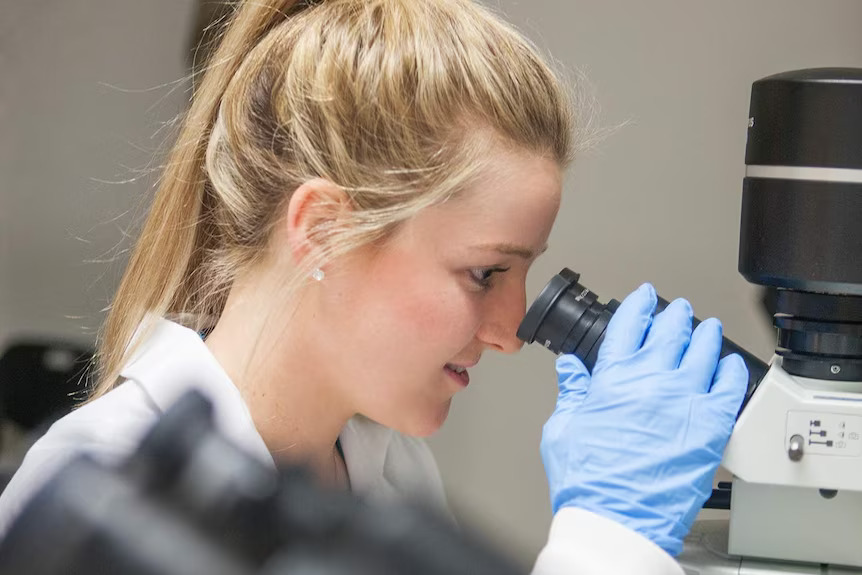
The study examined venom from honeybees, Apis mellifera, and compared its effects across different breast cancer cell types and normal cells. The researchers reported that honeybee venom and melittin potently induced cell death, particularly in triple-negative and HER2-enriched breast cancer cells. According to the institute’s summary of the work and the paper itself, a specific concentration of the venom caused 100 percent cell death in those aggressive cancer subtypes within 60 minutes in laboratory testing, while normal cells were affected far less at the same levels. That contrast is one reason the research was taken seriously. It suggested selectivity rather than indiscriminate toxicity.
The researchers also observed that melittin worked quickly in another important way. Within 20 minutes, it interfered with key signaling pathways involved in cancer cell growth and replication, including EGFR and HER2 signaling. In simpler terms, the compound did not just damage cancer cells physically. It also appeared to disrupt the chemical communication systems that help those cells grow, divide, and survive. That two-part effect, rapid membrane disruption plus signaling interference, made the findings especially compelling in the context of aggressive disease.
The Role of Melittin in Bee Venom
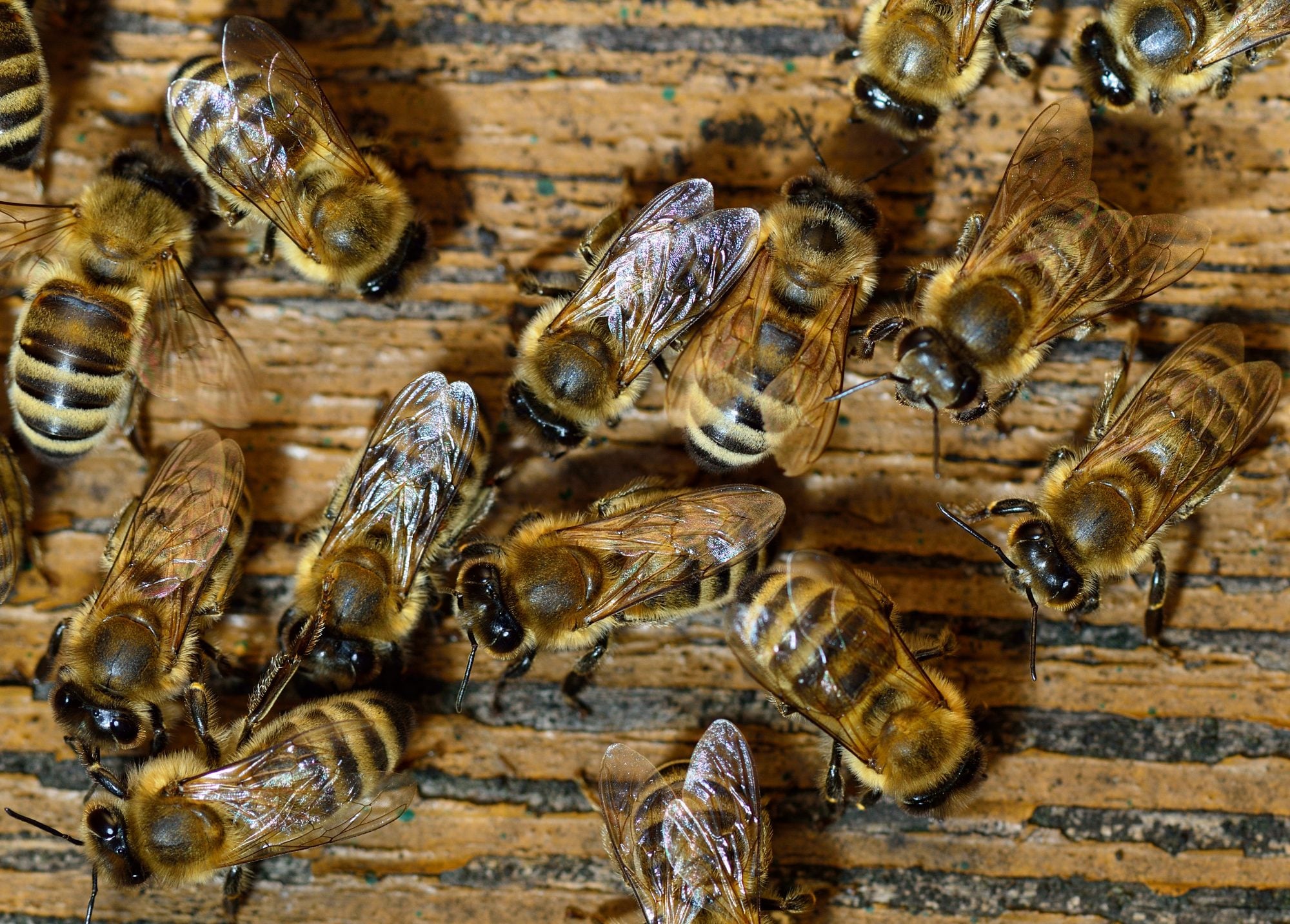
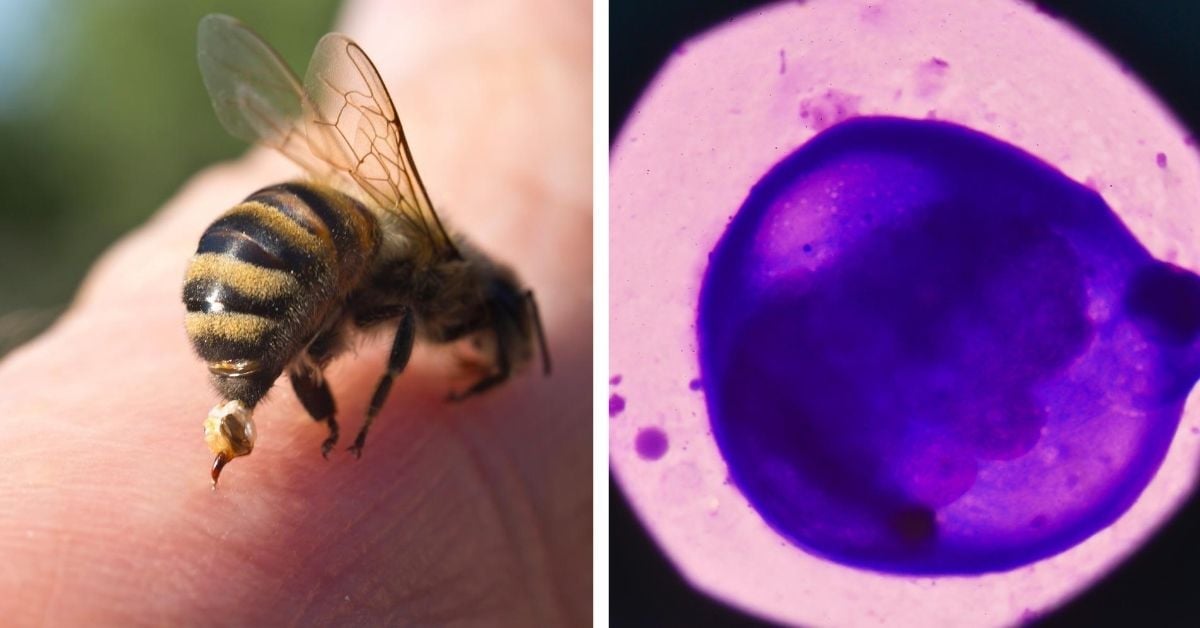
At the center of the study is melittin, the major active peptide in honeybee venom. Melittin is a small positively charged molecule, and the researchers found that it explained much of the venom’s anti-cancer behavior. Dr. Duffy and colleagues also reproduced melittin synthetically and found that the synthetic version mirrored most of the anti-cancer effects seen with the whole venom. That matters because any future therapy would almost certainly depend on carefully controlled, standardized pharmaceutical development rather than simply using raw venom.
The mechanism described in the study is striking but understandable. Melittin interacts with the plasma membrane of cells and forms pores, essentially punching holes in the outer layer that helps the cell survive. Once those membranes are disrupted, the cell loses integrity and dies. That is the direct attack. But the researchers also showed that melittin could suppress activation of growth factor receptors that drive aggressive breast cancer, including EGFR and HER2. In cancer biology, that is important because these signaling pathways are tied to cell division, progression, and treatment resistance. The result was not just cellular injury, but a broader shutdown of systems that help cancer thrive.
How the Venom Was Collected and Tested

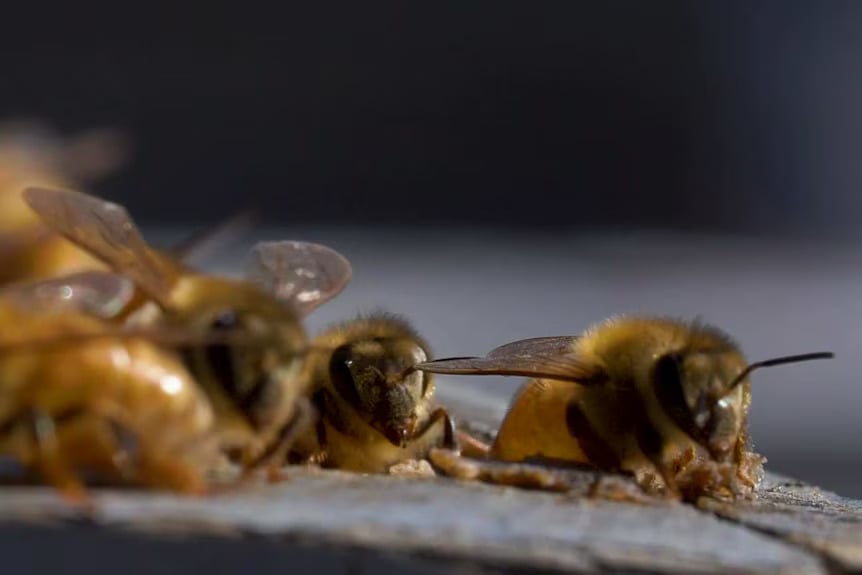
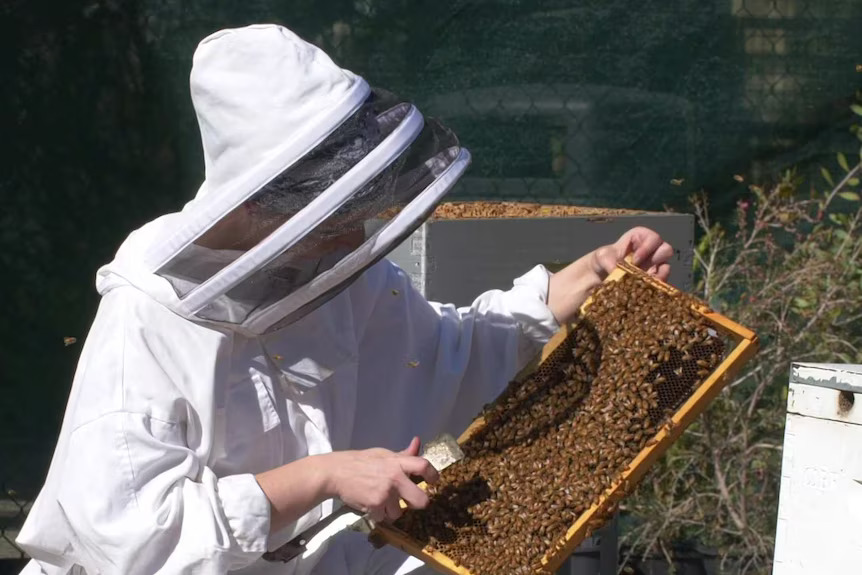
One of the more unusual details in the reporting around the study was how the venom was gathered. Dr. Duffy harvested bee venom from hives in Perth as well as from sources in Ireland and England. According to coverage from the Harry Perkins Institute and ABC News, the project involved testing venom from hundreds of honeybees and bumblebees, though the paper’s strongest anti-cancer effect was associated with honeybee venom rather than bumblebee venom. That wide sampling helped the researchers compare effects across sources and confirm that the observed activity was tied to a specific biological component rather than a random or isolated result.
What is especially notable is that the team did not stop at observing cell death. They also tested whether melittin could improve the action of established chemotherapy. This is where the project moved from being merely surprising to being genuinely relevant for therapeutic design. Because melittin forms pores in the membrane, the researchers proposed that it might help chemotherapy enter cancer cells more effectively. They tested that idea with docetaxel and found that the combination was extremely efficient in reducing tumor growth in mice. That finding suggested a possible future role not necessarily as a standalone therapy, but as part of a combination strategy.
Why Triple Negative Breast Cancer Matters So Much
To understand why this study created such interest, it helps to understand what makes triple-negative breast cancer different. Unlike some other breast cancers, triple-negative tumors do not express estrogen receptors, progesterone receptors, or excess HER2 in the way many targeted treatments rely on. That means doctors cannot use some of the most established receptor-based therapies available for other patients. Treatment often depends heavily on chemotherapy, surgery, and radiation, and the disease can be more aggressive and more likely to recur.
That is why even an early preclinical finding can feel meaningful in this field. When a compound appears to attack these difficult cancer cells selectively, it opens the door to an entirely different therapeutic concept. It does not mean doctors are about to replace current care with bee venom. It means researchers may have identified a molecule worth refining, modifying, and studying further. In cancer science, that distinction matters enormously. A result can be highly promising and still be far away from clinical use.
Why Scientists Called It Exciting but Stayed Careful
Public discussion of cancer research often swings too quickly toward words like cure, miracle, or breakthrough. The scientists involved in this work pushed back against that kind of framing. Dr. Duffy repeatedly stressed that the findings represented only the beginning of a much longer research journey. She noted that there was still a long way to go in figuring out how melittin could be delivered safely in the body, what toxicities might emerge, and what doses would be tolerable before any human application could even be considered.
That caution is crucial. Many compounds kill cancer cells in petri dishes. Far fewer become successful medicines. A drug candidate has to survive a difficult path that includes formulation, targeted delivery, toxicity testing, animal studies, phased clinical trials, regulatory review, and eventually evidence that benefits outweigh risks in real patients. Bee venom is biologically powerful, but that also means it can be dangerous. The challenge is not merely whether it can kill cancer cells. It is whether scientists can harness that effect safely and precisely enough to help people.
Nature as a Source of New Medicines
One reason the study drew praise from scientific leaders in Western Australia is that it fits a much broader pattern in medicine. Many important drugs have emerged from nature, whether from plants, microbes, or animal compounds. Professor Peter Klinken, Western Australia’s Chief Scientist at the time, described the observation as incredibly exciting and highlighted how compounds in nature can contribute to treating human disease. His point was not that bee venom itself is a ready-made cancer treatment, but that nature continues to offer molecules with remarkable biological power, which researchers can study and adapt.
That broader perspective matters because scientific progress often comes from unexpected places. Venom, poison, and other defensive compounds may seem unlikely sources of medicine, yet they have evolved to interact powerfully with biological systems. For researchers, that makes them worth exploring. The question is never whether a natural substance is automatically good. It is whether its mechanisms can be understood well enough to turn danger into therapeutic precision.
What This Study Did Not Prove
It is important to be clear about what the study did not show. It did not prove that bee venom cures breast cancer in humans. It did not establish a safe dosage for patients. It did not show that people should seek out bee venom therapies outside clinical research. And it did not bypass the long process required for cancer drug development. The results were preclinical, involving cell lines and mouse models. Those are valuable and necessary steps, but they are not the final word.
This distinction is especially important because medical headlines can travel faster than scientific nuance. A dramatic finding in the lab can easily be misunderstood by the public as a near-term treatment. In reality, years can pass between a compelling early paper and any practical therapy, if one arrives at all. Some promising ideas fail because they are too toxic. Others fail because they cannot be delivered effectively. Others show benefits in animals that do not hold up in humans. The honest way to read this study is as a significant scientific insight, not a finished medical solution.
Why the Research Still Matters Today

Even with all those cautions, this work remains important. The paper has been widely cited, and the results continue to be discussed because they offered a clear mechanistic finding and a plausible therapeutic angle. The study showed that melittin can directly kill aggressive breast cancer cells, interfere with growth signaling, and enhance chemotherapy response in mice. Those are not trivial observations. They provide a foundation for further work in peptide-based cancer treatment and targeted delivery systems.
In other words, the value of the study is not only in the headline that bee venom kills cancer cells. Its real value lies in what it teaches researchers about membrane disruption, receptor signaling, and how a natural peptide might be engineered or delivered in smarter ways. Future therapies, if they ever emerge from this line of research, may not look like raw bee venom at all. They may take the form of highly modified melittin-based compounds, nanoparticles, or targeted drug systems designed to carry the active effect only where it is needed.
What Comes Next in Research
The next stages for research like this typically involve refining delivery and reducing risk. Scientists would need to develop ways to get melittin or related compounds to tumors without harming healthy tissues. They would also need to study immune reactions, cardiovascular effects, off-target toxicity, and dose limits very carefully. Only after that could human trials begin, and even then the first goal would usually be safety, not proof of cure.
Still, cancer research advances because investigators pursue exactly these kinds of leads. The history of oncology is full of treatments that once sounded unlikely. Some failed, but others changed medicine. The Perth study belongs in that tradition of careful early discovery. It did not promise too much. It simply showed that a molecule from honeybee venom deserves serious scientific attention.
That may be the most responsible way to understand the story. The Australian team did not announce that cancer had been solved. They showed that a natural compound called melittin can rapidly damage and kill aggressive breast cancer cells under experimental conditions, while also boosting the effects of chemotherapy in mice. For patients and families facing triple-negative breast cancer, that does not deliver immediate answers. But it does offer something medicine depends on just as much as certainty: a credible new direction. And in fields where options remain limited, a credible new direction can matter enormously.