
Table of Contents
- How the World Built a Rail Revolution
- Why America Took a Different Path
- The Mindset Problem at the Heart of It
- The Northeast Corridor Shows What Is Possible
- A New Generation of Trains Brings New Expectations
- Brightline and California Are Testing the Future
- Why Certain Corridors Make the Most Sense
- The Political and Financial Barriers Remain Real
- Environmental Pressure Is Changing the Conversation
- America’s Rail Future Is Still Being Decided
How the World Built a Rail Revolution
The story of modern high speed rail usually begins with Japan’s Shinkansen, which launched in 1964 and stunned the world by showing that rail could be fast, reliable, and modern. It gave passengers a clean and efficient alternative to both road and air travel, and it quickly became a symbol of technological ambition. But it was France’s TGV, introduced in the early 1980s, that truly accelerated the global high speed rail era. France showed that these trains could work not just as national prestige projects, but as practical infrastructure that delivered speed, productivity, and regional development.
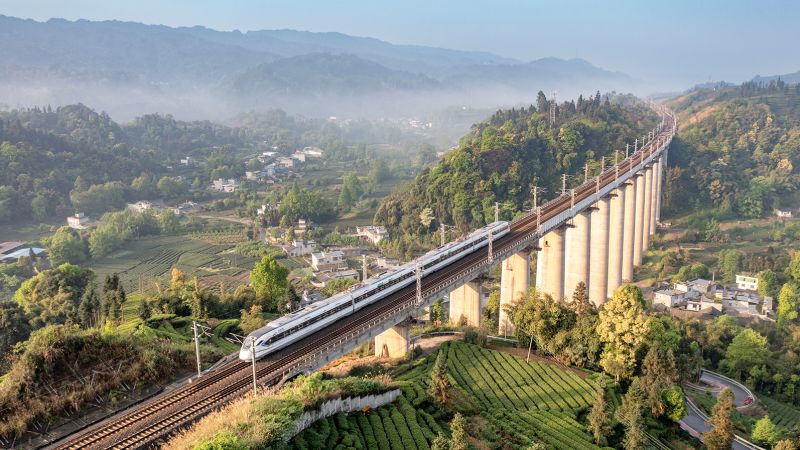
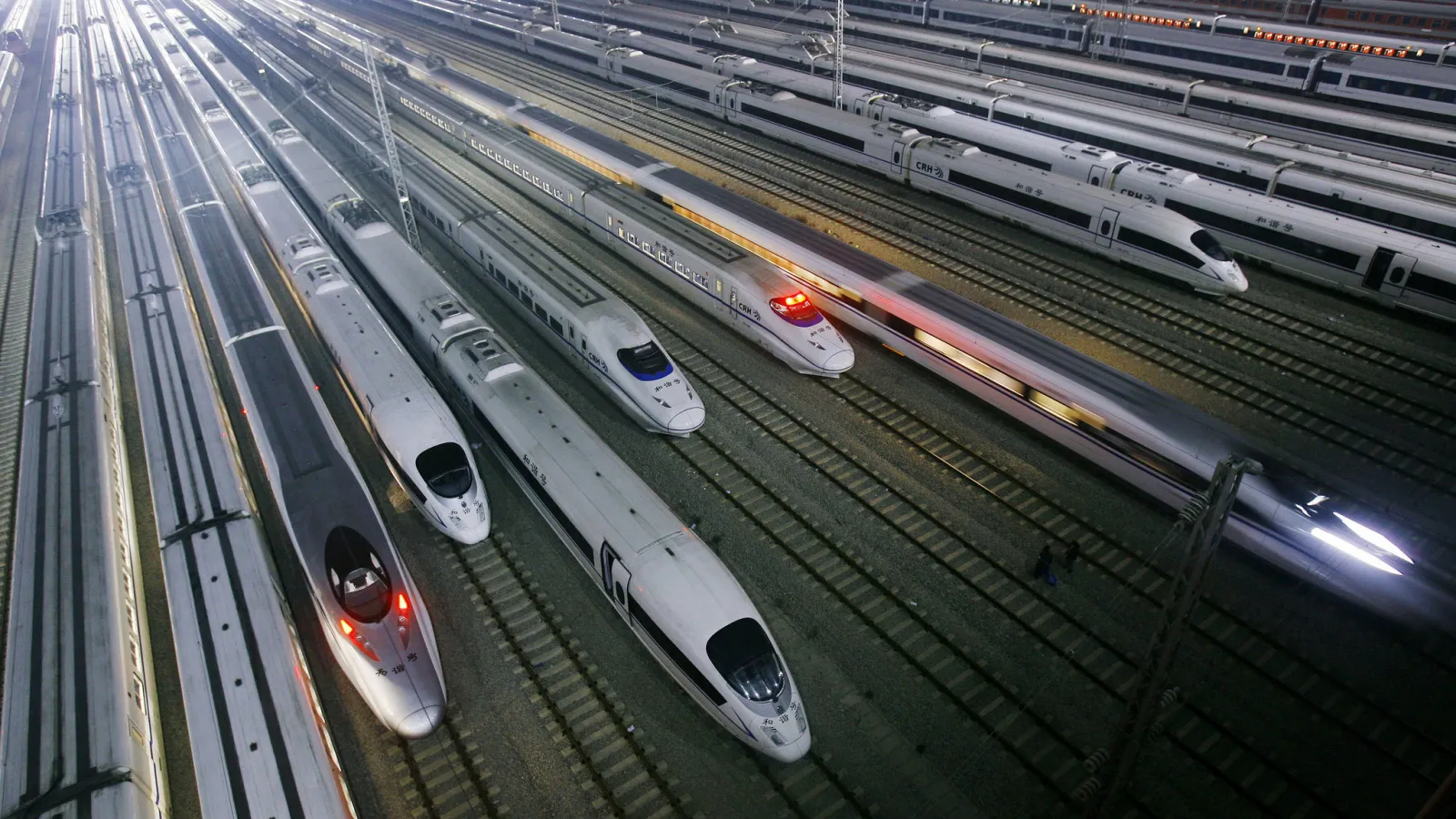
From there, the idea expanded. Europe built intercity rail links that turned once tedious routes into manageable journeys. China took the concept to another level entirely, building tens of thousands of miles of dedicated high speed track in little more than a decade. In many countries, high speed rail stopped being a novelty and became part of normal life. That is what makes America’s slow progress feel so striking. While other regions embraced the future of rail, the United States remained largely committed to highways and airports, even as both systems became increasingly strained.
Why America Took a Different Path
The United States did not always ignore passenger rail. In fact, the country once had a celebrated rail culture, with famous train names that still evoke romance and luxury. Long distance rail travel used to be central to the American experience, especially before cars and commercial aviation completely took over. But after the 1950s, the balance shifted dramatically. Cars became symbols of freedom, suburbia expanded, and air travel became the preferred choice for many longer trips. Passenger rail began losing riders, prestige, and political support.
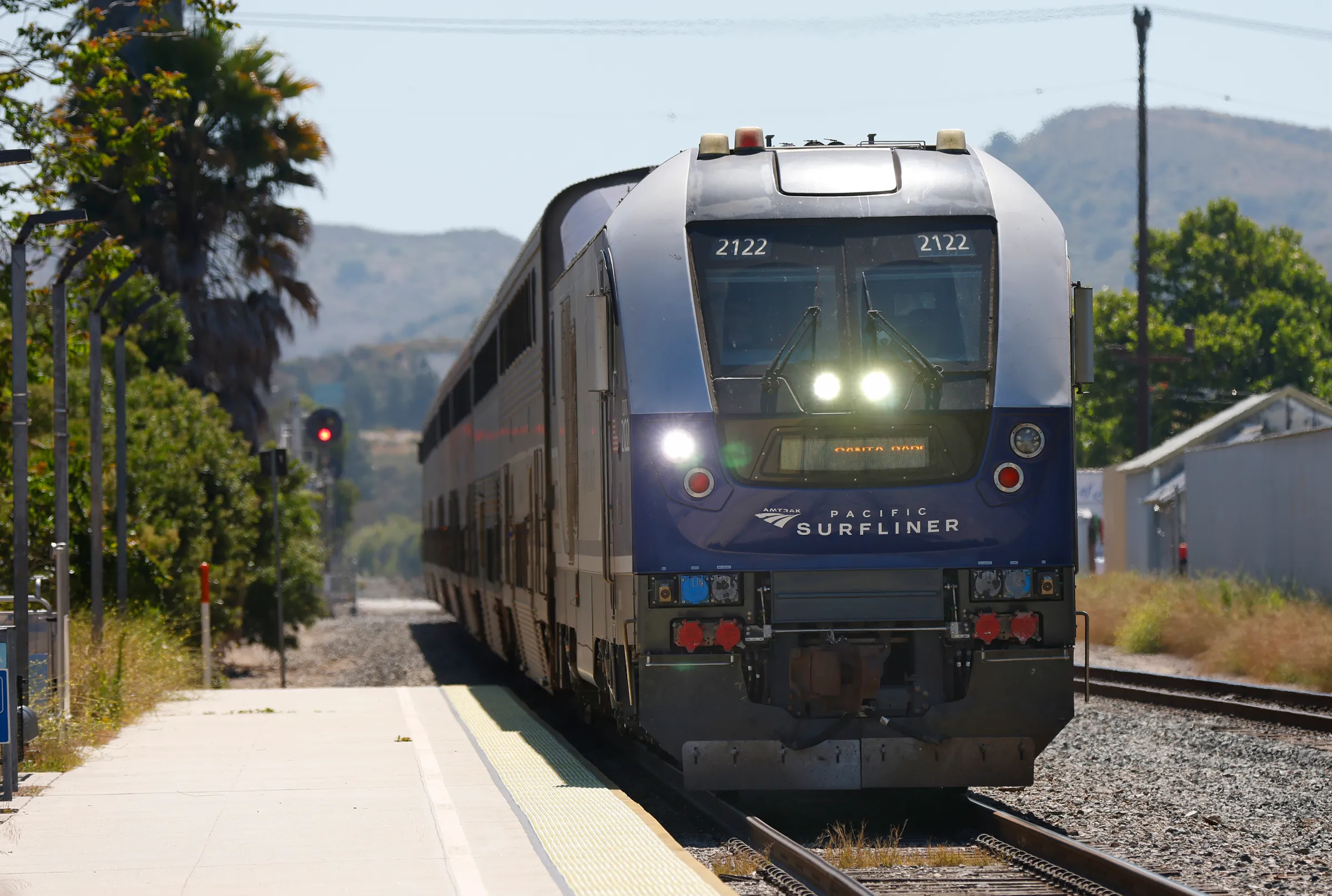
By the early 1970s, many private railroads were financially broken and eager to hand off their money losing passenger operations. That led to the creation of Amtrak in 1971, which preserved a national passenger rail network but never received the kind of sustained, transformational investment that would allow it to compete seriously with highways or airlines. Over the decades, freight rail flourished in America, while passenger rail often remained an afterthought. That imbalance shaped the modern reality. The country kept moving goods by rail quite effectively, but moving people became a lower priority.
The Mindset Problem at the Heart of It
One reason America has lagged is cultural as much as political. For generations, Americans have been taught to see the car and the airplane as the natural answers to mobility. The highway system became embedded in daily life, while rail often came to be seen as old fashioned or limited. That mindset matters. If policymakers and the public do not truly believe in the value of passenger rail, it becomes difficult to generate the support needed for big, long term projects.
This helps explain why many Americans still have little real concept of what modern high speed rail can offer. In countries where these systems are common, people think differently about distance. A city 200 or 300 miles away does not feel remote if a train can get you there quickly and comfortably. In the United States, that same trip often defaults to a flight, a long drive, or simply not being made at all. The result is a nation that has often underestimated the economic and social value of better intercity rail.
The Northeast Corridor Shows What Is Possible
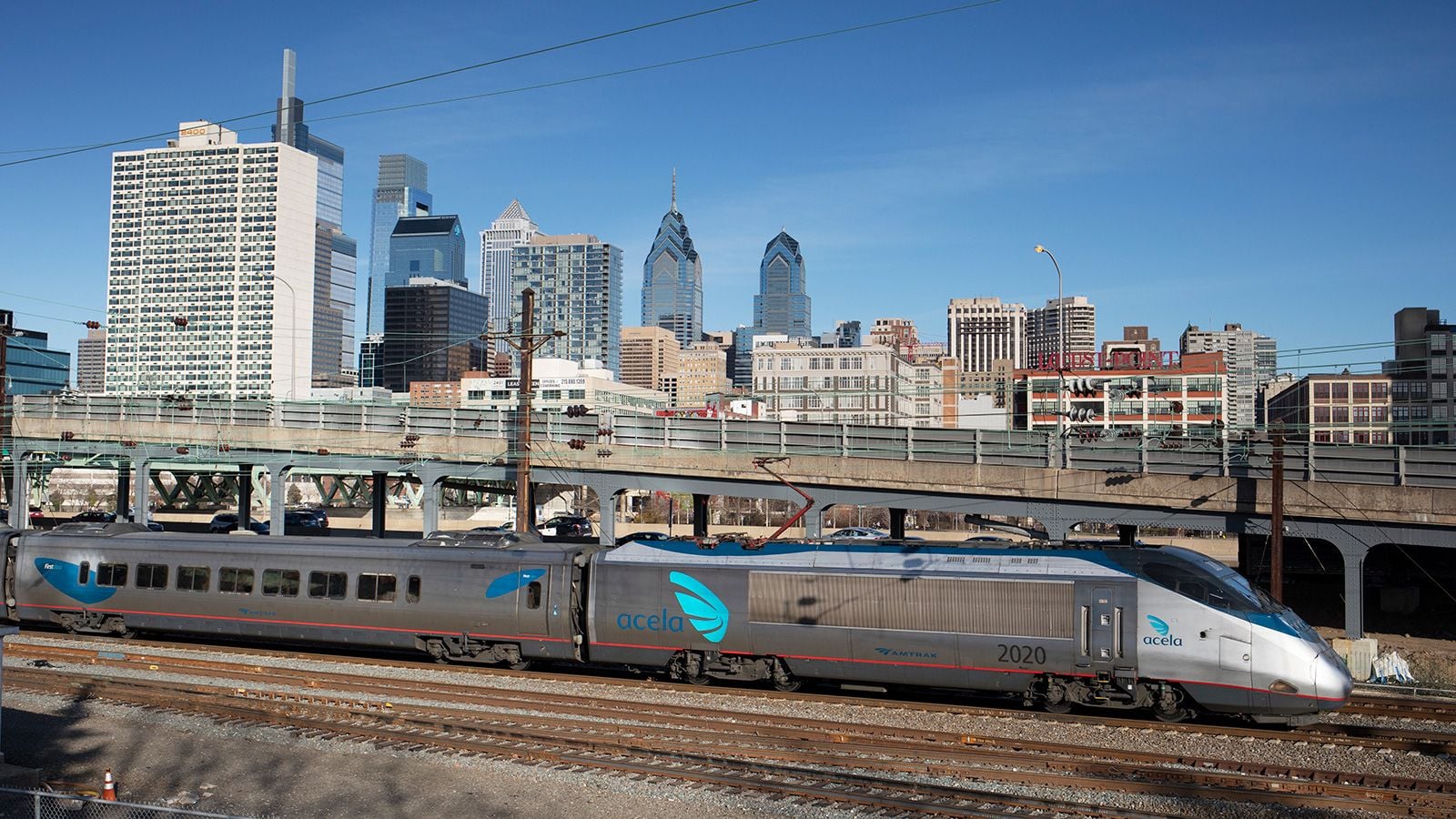
If there is one place in America where high speed rail has come closest to proving itself, it is the Northeast Corridor. Linking Boston, New York, and Washington, this corridor is the most advanced passenger rail stretch in the country and the only one where trains operate at speeds that approach global expectations, even if only in limited segments. Amtrak’s Acela service has shown that there is strong demand for fast, reliable rail in dense corridors where city centers are close enough to make flying inconvenient.
Even so, the Northeast Corridor is still far from matching the best systems in Europe or Asia. Current Acela trains top out at 150 miles per hour, and only briefly. Much of the route is constrained by old infrastructure, shared track, and tight curves. That means the service is fast by American standards, but still modest by global ones. Yet its popularity matters. It proves that when rail is reasonably efficient, passengers will use it. In some corridors, they may even abandon airlines in large numbers. That is one of the clearest signs that high speed rail is not a fantasy in the United States. It simply has not been given room to fully develop.
A New Generation of Trains Brings New Expectations
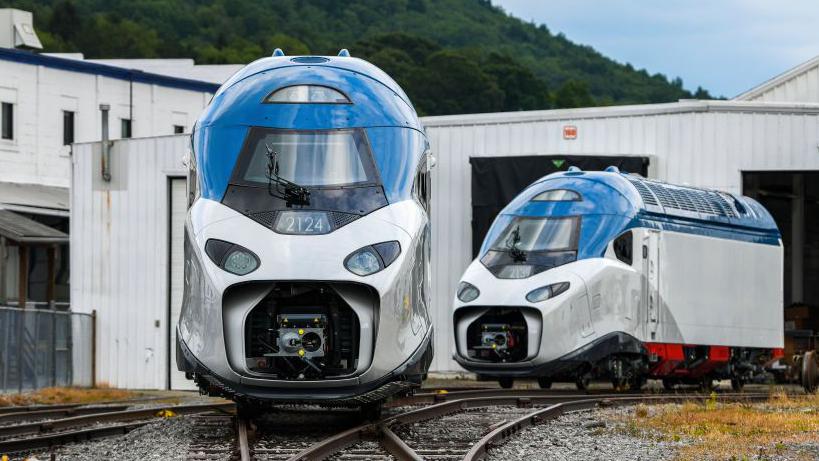
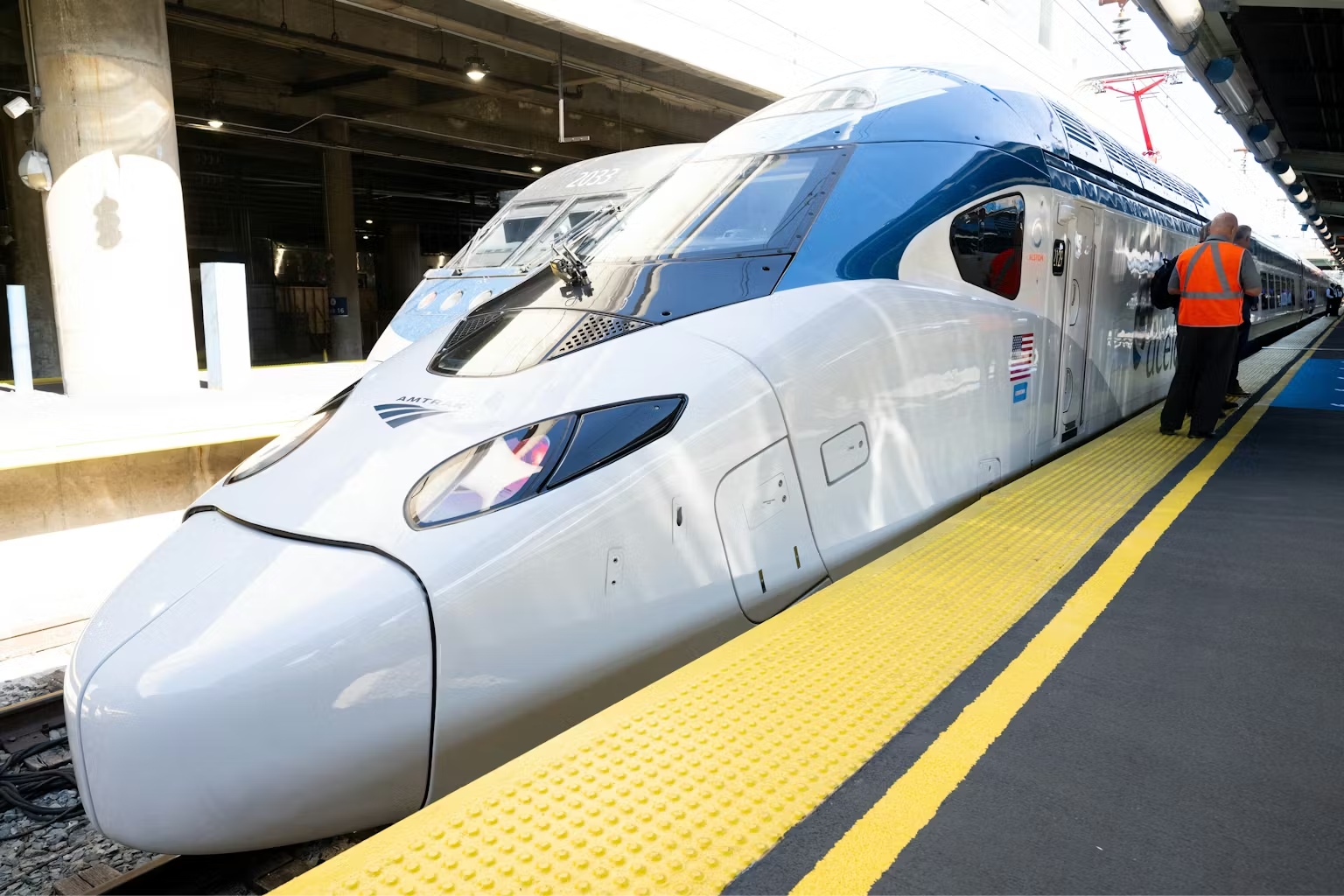
Amtrak’s new Avelia Liberty trains represent a major technological step forward. These trains are capable of reaching 220 miles per hour, though they will be limited to about 160 miles per hour on the Northeast Corridor because the infrastructure itself cannot yet support their full potential. Still, their arrival matters because it brings the latest generation of high speed rail technology into the American market. It sends a signal that the equipment is no longer the limiting factor. The trains are coming. The tracks and systems now need to catch up.
The economic effects of this investment are already visible. In places like Hornell, New York, the manufacturing tied to these trains has created jobs, attracted investment, and supported local development. This is one of the strongest arguments in favor of rail expansion. A high speed rail project is not only about passengers moving between cities. It is also about supply chains, engineering, manufacturing, maintenance, and the local economies that grow around them. Rail can be a transportation project and an industrial strategy at the same time.
Brightline and California Are Testing the Future
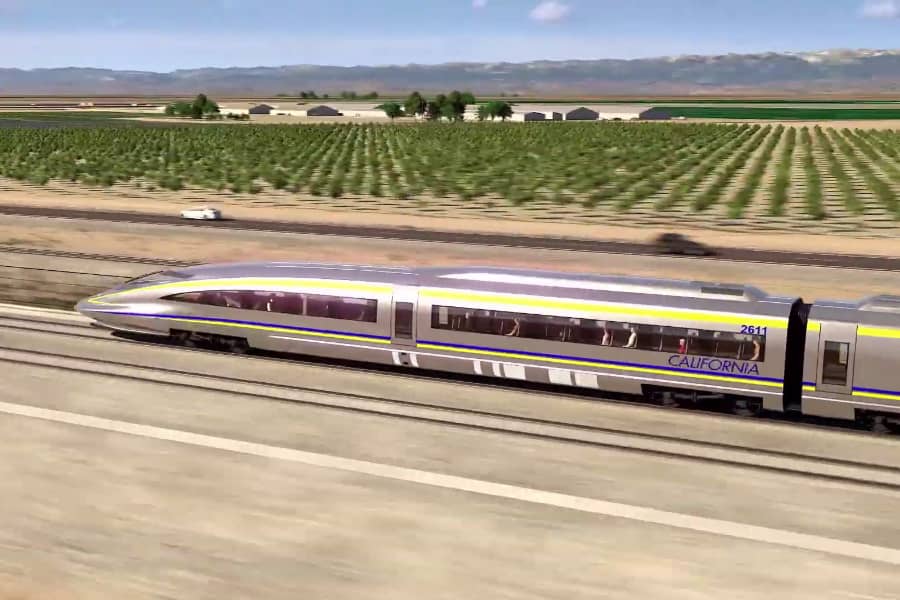
While Amtrak modernizes the Northeast Corridor, two major projects in the West are testing whether America can finally build real high speed rail beyond its historic rail heartland. Brightline West plans to connect the Los Angeles region to Las Vegas with a high speed line capable of slashing travel times dramatically. If completed as planned, it would offer a powerful alternative to one of the most crowded driving corridors in the country. The route is logical, the demand is obvious, and the project has become a symbol of cautious optimism for rail supporters.
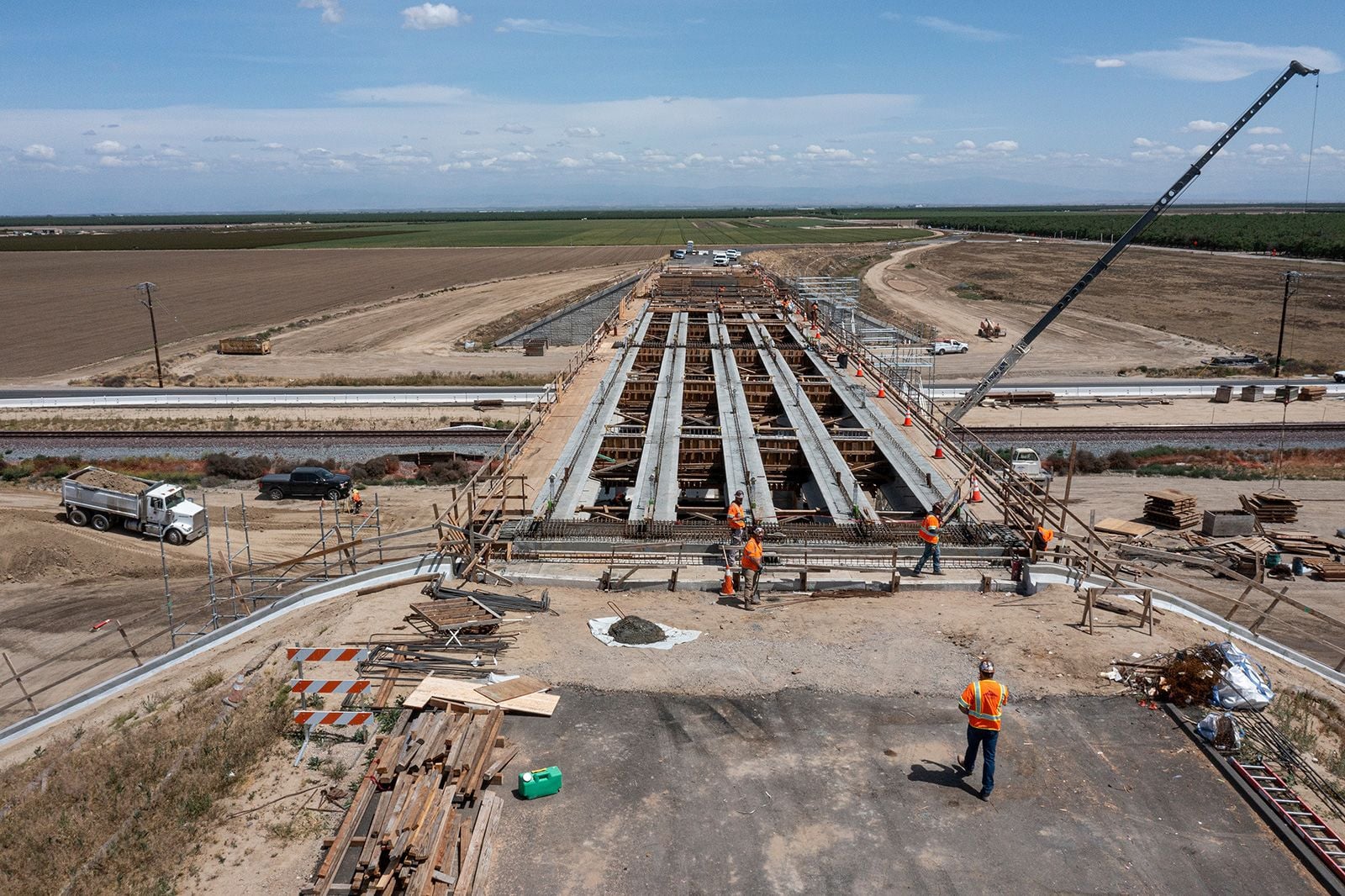
California’s high speed rail project, meanwhile, remains more complicated. It has long been promoted as a transformative system that could eventually link Los Angeles and San Francisco in just a few hours, while reducing congestion and pollution in one of the nation’s most economically vital states. Yet the project has also become famous for delays, disputes, rising costs, and political controversy. Supporters see it as essential long term infrastructure. Critics see it as proof that America cannot build quickly or cheaply anymore. Both views contain some truth. The project’s struggles are real, but so is the underlying need it was designed to address.
Why Certain Corridors Make the Most Sense
A nationwide Chinese style rail grid is probably unrealistic for the United States, at least in the near future. The country is too large, too geographically varied, and too spread out in many regions for that model to be easily copied. But that does not mean high speed rail lacks a place. In fact, its most practical use in America may be in carefully chosen corridors where city pairs are close enough to make train travel highly competitive.
The strongest candidates are routes between major population centers roughly 200 to 500 miles apart. In these distances, rail can often beat flying once airport security, boarding, traffic, and delays are considered. It can certainly outperform driving in terms of comfort and productivity. That is why routes like Los Angeles to Las Vegas, the Northeast Corridor, parts of California, the Texas triangle, and the Cascadia region are so frequently discussed. High speed rail does not need to do everything. It only needs to excel where it makes the most sense. In those markets, it can transform mobility.
The Political and Financial Barriers Remain Real
For all the enthusiasm around rail, the barriers remain formidable. High speed rail requires enormous upfront investment, long timelines, environmental review, land acquisition, and political patience. Those are difficult ingredients to maintain in a system where elected officials often think in short cycles and public attention shifts quickly. Opposition from landowners, budget hawks, and competing industries can also slow or derail projects before they gain momentum.
There is also the issue of subsidy. Highways and airports in the United States have long benefited from extensive public support, yet rail is often expected to justify itself in ways those systems are not. That double standard has hurt passenger rail development for decades. If the country wants a true rail transformation, it must stop treating passenger rail as a special case and start seeing it as basic public infrastructure. Roads, airports, ports, and rail all shape economic life. Rail should not be forced to fight for legitimacy every step of the way.
Environmental Pressure Is Changing the Conversation
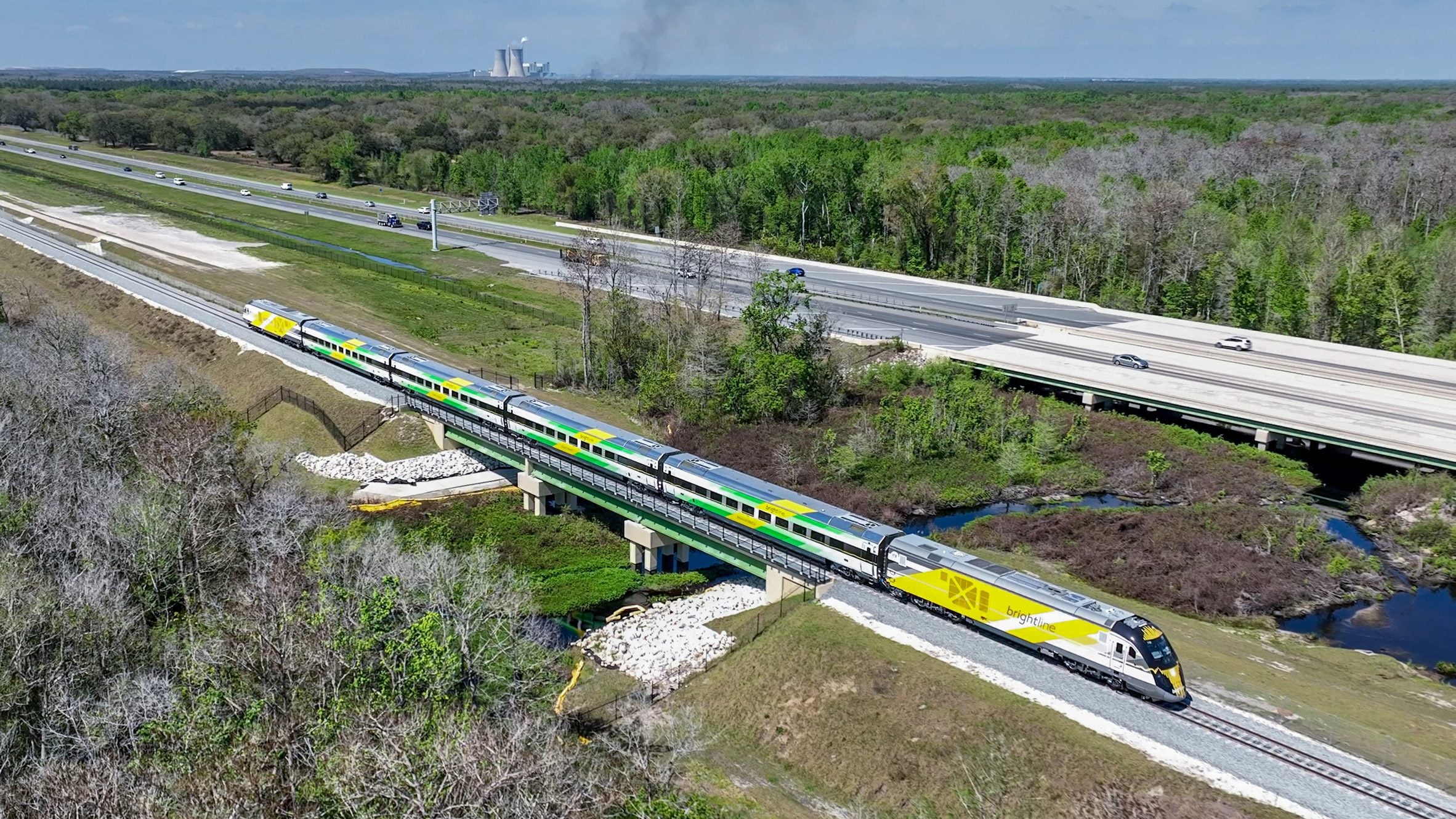
One reason the rail conversation is changing is that climate and congestion pressures are becoming impossible to ignore. High speed and electrified rail can reduce transport emissions, ease highway crowding, and provide a cleaner alternative to short haul flights. In many parts of the world, that environmental argument has become central. Rail is not perfect, but it is often far more sustainable than car dependent or air dependent systems, especially when powered by electricity.
This is another area where America trails global peers. In countries across Europe and Asia, rail electrification is normal. In the United States, it remains rare outside the Northeast Corridor. That limits both efficiency and climate benefits. If the future of transportation is supposed to be cleaner, then rail has to become part of the national strategy. It cannot remain a side conversation while roads and planes dominate every major investment debate.
America’s Rail Future Is Still Being Decided
The United States is not without hope. The ingredients for a passenger rail revival are more visible now than they have been in decades. There is more public awareness of congestion, more concern about emissions, and more evidence that targeted rail corridors can succeed. There are new trains, new proposals, and, in some cases, new money. That does not guarantee success. But it means the argument has shifted. The question is no longer whether high speed rail works in the modern world. The question is whether America is finally ready to build what much of the world already takes for granted.
That is why this moment feels important. If projects like Brightline West and improvements on the Northeast Corridor succeed, they may do more than move passengers faster. They may change how Americans imagine transportation itself. They may prove that highways and airports do not have to carry the whole burden forever. They may show that rail can once again be a central part of national mobility.
For a long time, America’s absence from the high speed rail revolution could be explained away as habit, politics, or geography. But those excuses are wearing thinner. The world has already shown what modern rail can do. Economic growth, cleaner travel, new jobs, stronger regional links, and less dependence on congested roads and fragile air networks are no longer theoretical benefits. They are visible realities in country after country. The United States now faces a choice. It can continue treating high speed rail as an ambitious idea that never quite arrives, or it can begin building the kind of transportation future its size, wealth, and urban population demand. The rest of the world is not waiting. The only question is how much longer America will.