

Table of Contents
- A Sudden End to a Major Food Network
- What Ruby’s Pantry Actually Provided
- Why the Closure Feels So Alarming
- A Region Already Living With Higher Food Costs
- The Volunteer Engine Behind the Pantry
- The Pressure From SNAP Changes and Household Strain
- The Wider Economic Forces Making Things Worse
- What Other Food Banks May Face Next
- Why This Story Resonates Beyond the Midwest
- What Comes After a Closure Like This
A Sudden End to a Major Food Network
Ruby’s Pantry announced this week that it was ending operations effective immediately, bringing an abrupt stop to a network that had distributed food through dozens of sites across the Upper Midwest. Reports indicate the organization operated at more than 80 locations, with some accounts putting the number at 87 distribution sites across four states. The organization said it had been “thoughtfully realigning” its work, structure, and focus in recent months, but the public statement did not initially spell out the exact causes behind the decision. That vagueness only added to the uncertainty for communities that depended on the pantry’s monthly food bundles.
A later explanation offered more clarity. In comments reported by Minnesota Public Radio, Ruby’s Pantry said the ministry was “no longer financially sustainable.” That phrase may sound administrative, even dry, but its consequences are anything but. It means an operation that once moved huge amounts of food into communities could no longer make the numbers work. For the families who relied on it, the financial unsustainability of the organization now threatens the daily sustainability of their own household budgets.
What Ruby’s Pantry Actually Provided
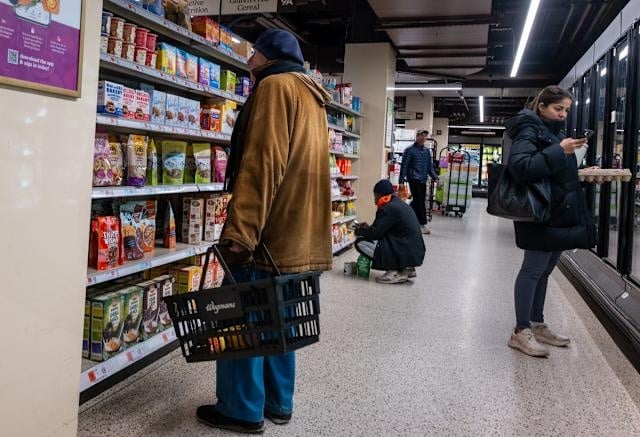
To understand why this closure matters so much, it helps to understand the role Ruby’s Pantry played. The organization was founded about 24 years ago and built a model that offered food bundles for a relatively small out-of-pocket cost. Families could pay around $25 and receive groceries and necessities reportedly worth up to $100. Last year alone, the pantry distributed roughly 242,000 food bundles and relied on about 17,500 volunteers annually. Those numbers reveal something essential about the organization’s importance. It was not a small, symbolic operation. It was a large, functioning support network woven into everyday life for a vast number of people.
For many households, that bundle was not just a deal. It was the difference between scraping through the month and falling behind. It helped seniors on fixed incomes, working parents juggling rent and child care, and families hit by rising costs that never seemed to come back down. In a time when the grocery store feels more expensive every visit, Ruby’s Pantry represented predictability. It gave families a way to plan. It gave them one less financial fire to put out.
Why the Closure Feels So Alarming
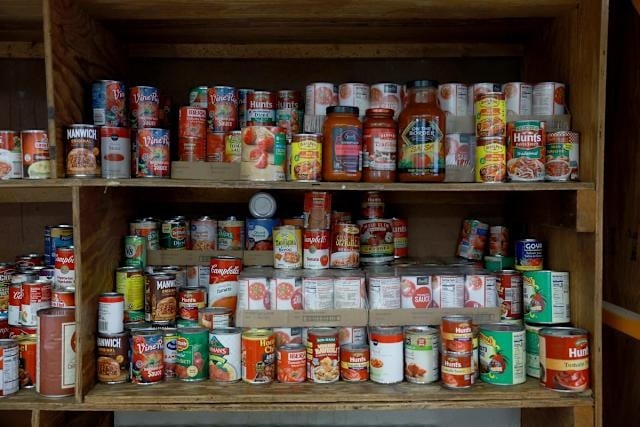
What makes this story especially painful is the timing. Ruby’s Pantry did not shut down during a period of economic comfort. It closed when food insecurity remains a serious concern and when the cost of basic necessities is already weighing on households. Shaye Moris, president and CEO of Second Harvest Northland, warned that the closure is colliding with rising food prices and recent changes to SNAP benefits, creating what she described as a “perfect storm” for communities that will now need even more food access.
That phrase captures the broader fear. When one major support system disappears, the strain does not vanish with it. It shifts outward. Other food banks, local pantries, churches, mutual aid groups, and social service organizations are left trying to absorb the demand. In some places, they may manage. In others, the gap may simply remain a gap. Families who once knew where to go may now face longer lines, fewer options, stricter limits, or no replacement at all.
A Region Already Living With Higher Food Costs
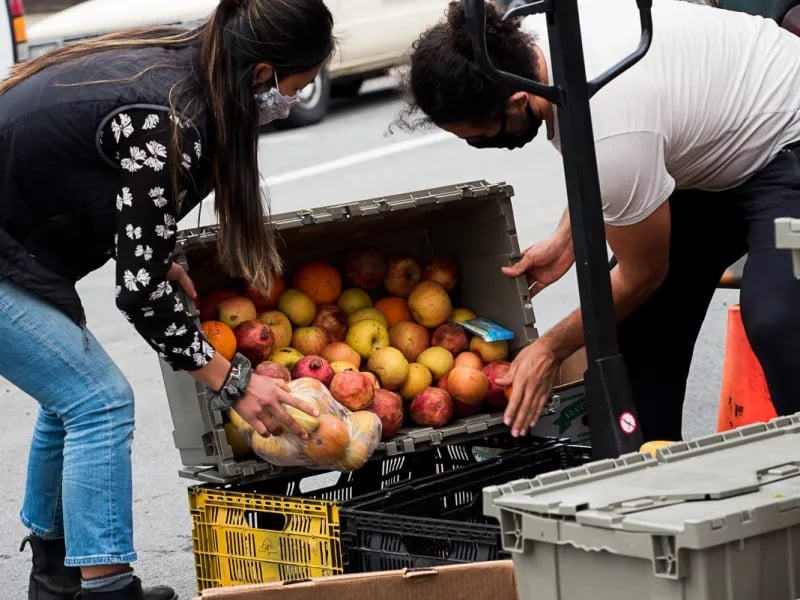
The closure lands at a moment when concern about grocery prices remains extraordinarily high. Pew Research has found that large majorities of Americans are very concerned about the price of food and consumer goods, with recent reporting citing roughly two-thirds of U.S. adults expressing strong concern over these costs. That kind of public anxiety is not abstract. It reflects a reality that families feel each week at checkout counters, gas pumps, and kitchen tables.
Food inflation is often discussed in national percentages, but families experience it in very personal terms. It shows up when familiar grocery staples suddenly cost noticeably more, when parents start comparing brands more aggressively, or when households quietly cut back on fresh produce, meat, or snacks for their children. Over time, these compromises accumulate. They change diets, increase stress, and leave little room for emergencies. In that kind of environment, the disappearance of a low-cost food distribution network becomes more than an inconvenience. It becomes a destabilizing event.
The Volunteer Engine Behind the Pantry

Another important part of this story is the volunteer structure that powered Ruby’s Pantry. With around 17,500 volunteers annually, the network was not simply moving boxes of food. It was also organizing people, routines, schedules, and relationships across many communities. Volunteers often become the invisible backbone of these systems. They unload trucks, sort products, greet families, and create a sense of dignity in moments that can otherwise feel difficult or embarrassing for people seeking help.
When a network like this closes, the loss is not only logistical. It is social. A community institution disappears. The rhythms that held people together stop abruptly. Volunteers lose a place where they contributed. Families lose a place where they were known. In many towns, the value of a pantry is not just the food itself, but the network of trust built around it over years.
The Pressure From SNAP Changes and Household Strain
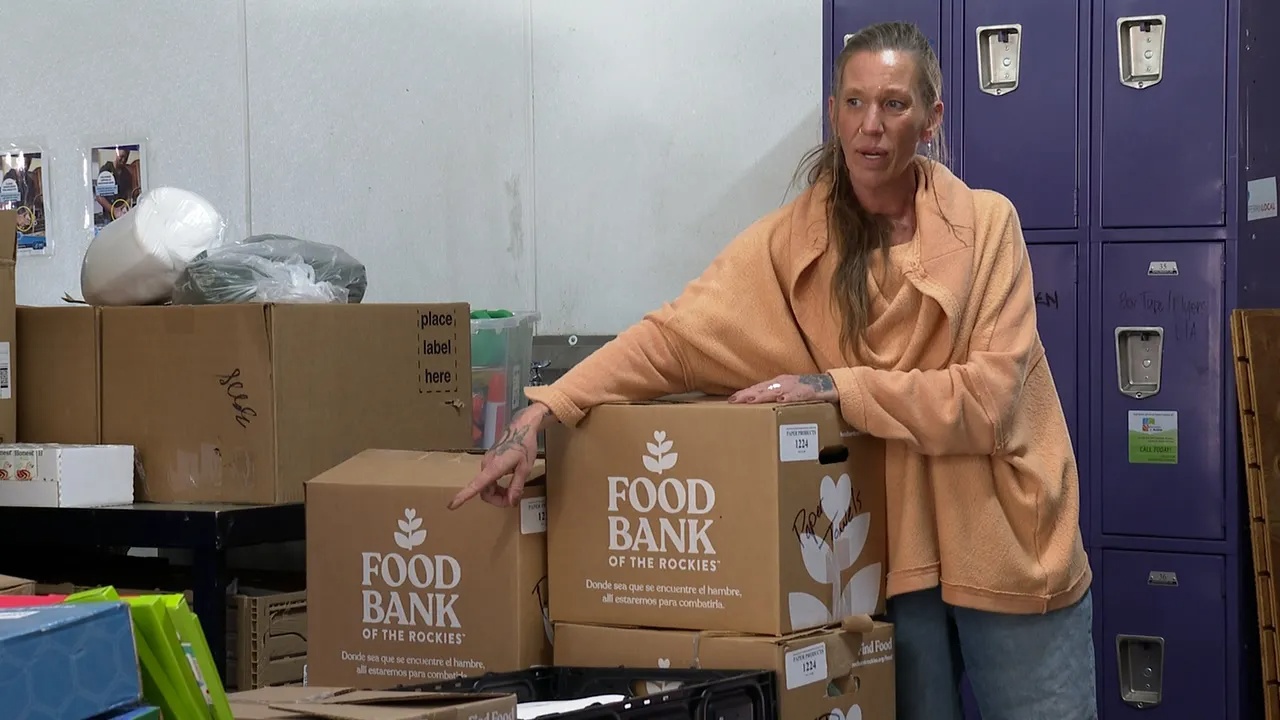
Food assistance systems rarely operate in isolation. When one weakens, the pressure shifts to others. That is why Moris’ warning about SNAP changes matters so much. If households are already receiving less help through government nutrition support, and then a major pantry network closes, the combined impact can be severe.
Seniors are especially vulnerable in this kind of situation. People living on fixed incomes cannot easily adapt when food prices rise or low-cost food access disappears. Working families can also be squeezed hard, especially those who earn too much to qualify for certain aid programs but still not enough to comfortably absorb rising costs. These households are often the ones most quietly at risk. They may not always appear in the most visible poverty statistics, yet they can be one missed paycheck or one unexpected bill away from serious hardship.
The Wider Economic Forces Making Things Worse
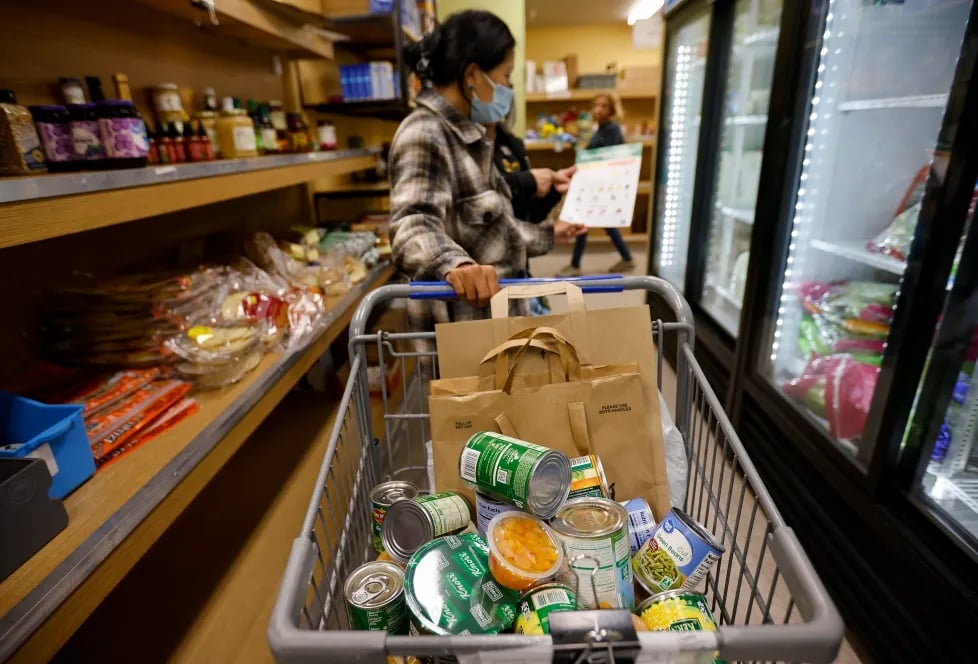
The pressure on food access is also being intensified by broader global economic instability. Recent reporting has warned that the ongoing conflict involving Iran and disruptions in the Gulf region could drive up fertilizer, fuel, and shipping costs, all of which eventually affect food prices. Reuters, Business Insider, the Associated Press, and other outlets have reported that rising energy costs and constraints on fertilizer supply chains may push agricultural costs higher and prolong food inflation well beyond the current moment.
That matters because food prices do not rise only when crops fail. They also rise when the inputs needed to grow, transport, and distribute food become more expensive. Fertilizer costs, diesel prices, insurance premiums, and shipping disruptions can all slowly work their way into the final price of groceries. So even as communities scramble to respond to Ruby’s Pantry’s closure, the larger economic environment may continue pushing in the wrong direction. That makes the loss of a low-cost food source even more consequential.
What Other Food Banks May Face Next
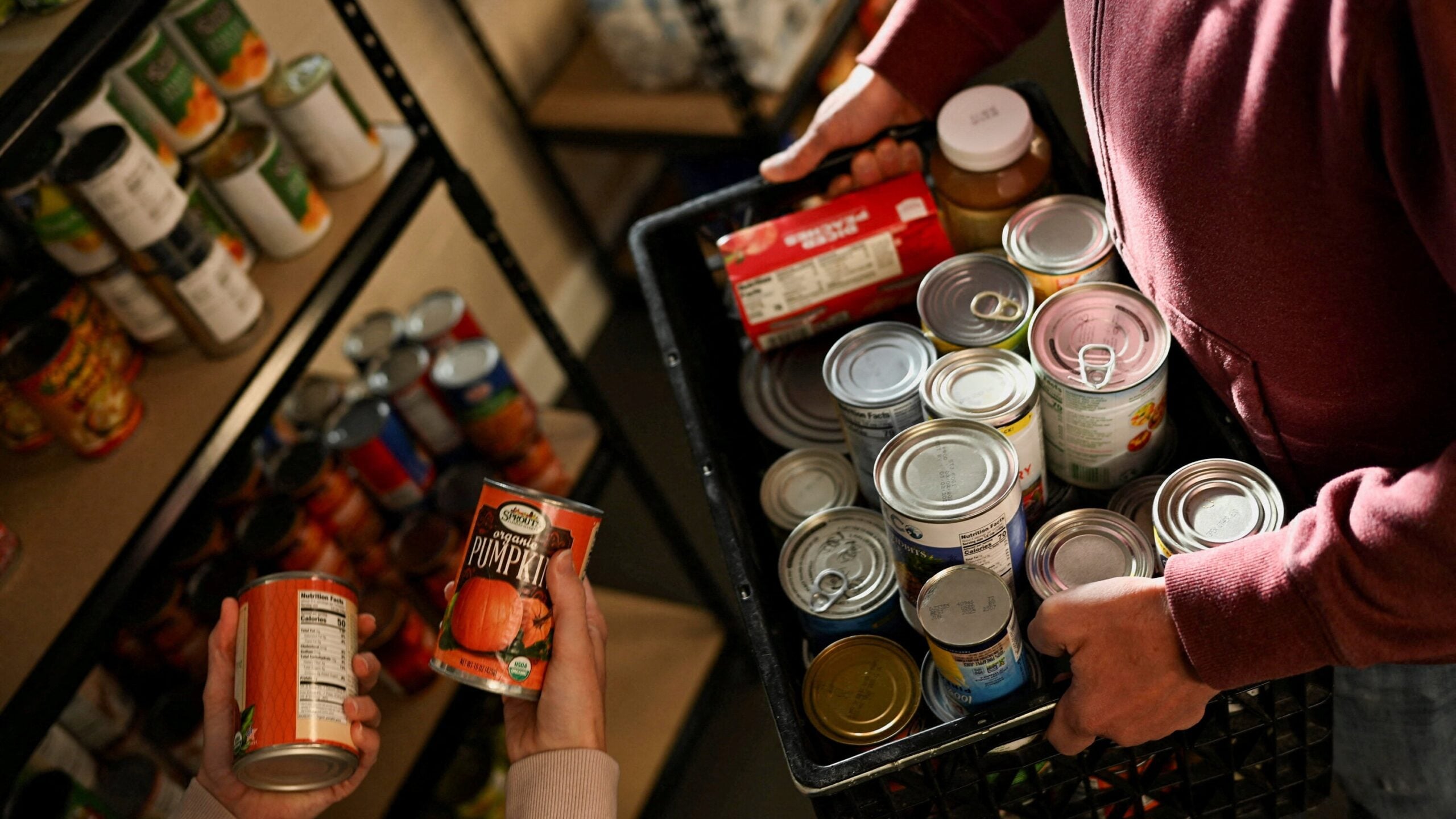
With Ruby’s Pantry gone, other regional food organizations may see a significant increase in demand. That may sound manageable in theory, but in practice it can be extremely difficult. Food banks already navigate complicated supply chains, donor relationships, storage limitations, staffing needs, and volunteer coordination. A sudden influx of new households can push systems past their comfortable operating range.
Some organizations may need to limit frequency of visits or reduce bundle sizes. Others may need emergency fundraising to secure additional inventory and transportation. The concern is not only about whether families can find another pantry. It is whether those replacement options have the capacity to serve them consistently and at scale. If they cannot, food insecurity may deepen quietly and quickly.
Why This Story Resonates Beyond the Midwest
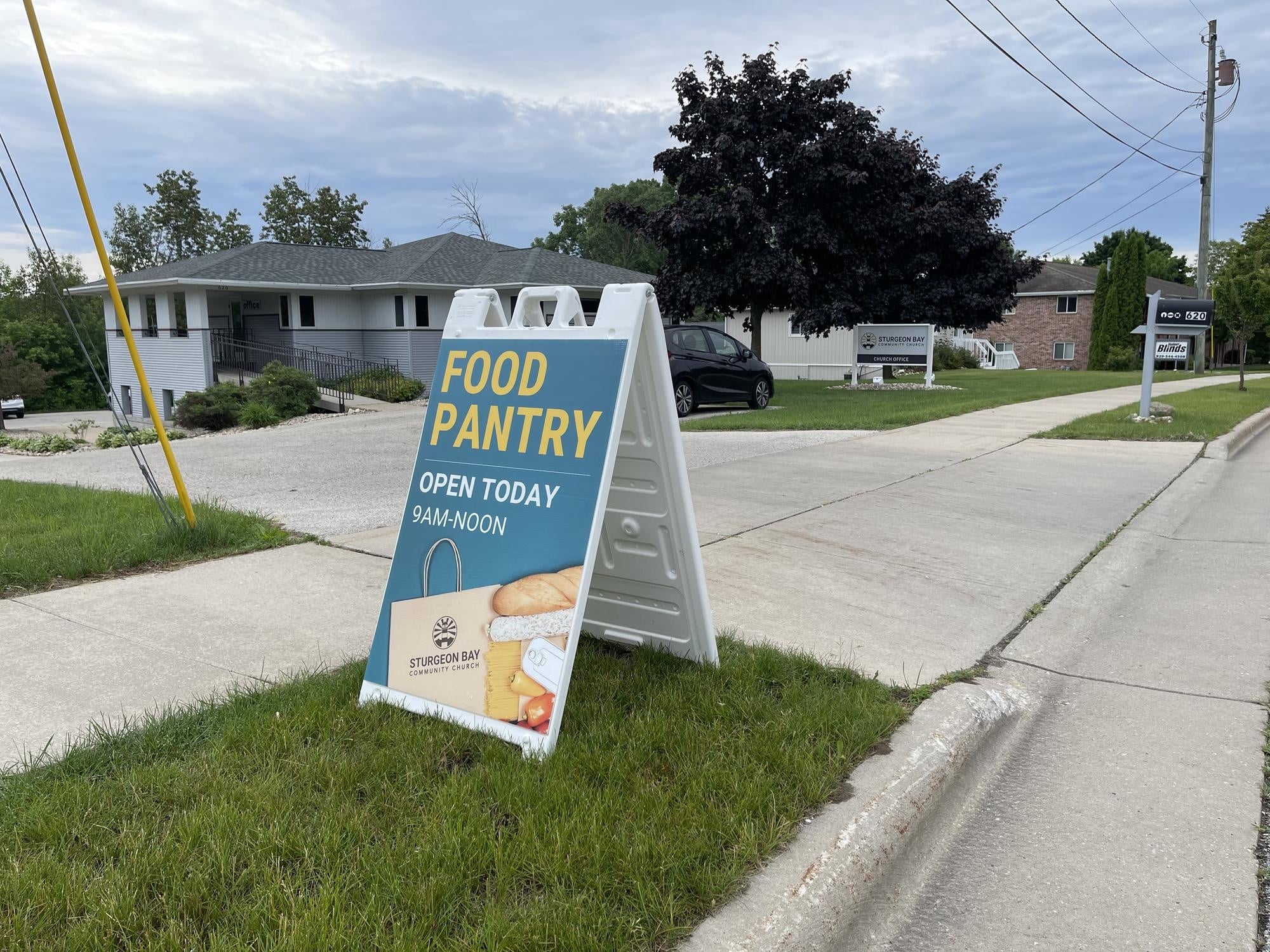
Although the closure is centered in the Midwest, its significance reaches far beyond four states. Ruby’s Pantry’s sudden end reflects a broader national vulnerability in the food assistance landscape. Many nonprofit support systems are stretched thin, operating in an environment shaped by inflation, donor fatigue, volunteer turnover, and unstable demand. A single closure on this scale becomes a warning sign. It suggests that even long-running, high-impact organizations are not immune to financial collapse.
It also forces a more uncomfortable question. How many families are one shuttered pantry away from real crisis? In policy discussions, food insecurity can sometimes sound like a distant issue measured in reports and percentages. But stories like this expose how immediate and local it really is. Hunger does not arrive only in dramatic forms. Sometimes it arrives quietly, after a service families counted on simply disappears overnight.
What Comes After a Closure Like This
The end of Ruby’s Pantry is likely to trigger a period of confusion, improvisation, and local response. Some communities may mobilize quickly. Churches, neighborhood groups, and existing pantries may step in where they can. Public officials may face pressure to identify emergency support options. Yet even if local action is strong, rebuilding trust and access takes time. Families who had a routine now have uncertainty. Volunteers who knew what to do now wait for direction. The entire ecosystem must readjust.
And that may be the most sobering part of this story. Food access systems are often appreciated only when they fail. When they function, they operate quietly in the background of community life. When they disappear, the fragility becomes visible all at once.
Ruby’s Pantry served as a practical answer to a daily question millions of Americans ask in different forms: How do I afford to feed my family? Its closure does not just remove one organization from the map. It exposes how many households were depending on that answer to remain available. In the weeks ahead, the true impact will not be measured only in closed sites or nonprofit statements. It will be seen in parents reworking grocery lists, seniors stretching meals further, and local food banks trying to catch a wave of need that may keep rising. In that sense, this is not only a story about one pantry’s end. It is a story about the growing strain on the systems people rely on when the cost of living keeps climbing and the margin for error keeps shrinking.