

Table of Contents
- What the Mace Transparency Resolution Proposed
- How the House Voted and What That Means
- Why the Vote Sparks Outrage
- Who Voted Against Transparency (and What They Said)
- What Supporters of Transparency Are Saying
- Institutional Secrecy vs. Public Accountability
- Transparency in Government
- How This Vote Could Affect Public Trust
- Beyond the Vote: What Comes Next
- Transparency or Protectionism in Congress
What the Mace Transparency Resolution Proposed
The resolution that sparked the controversy — House Resolution 1100 — was put forward by Republican Rep. Nancy Mace. It directed the House Ethics Committee to preserve and publicly release records related to investigations into sexual harassment, unwelcome sexual advances, and prohibited sexual conduct by members of Congress.
Under the proposal, the Ethics Committee would have been responsible for releasing final reports or the most recent drafts, along with exhibits and materials produced in the course of investigations. The resolution required that personally identifiable information about victims, alleged victims, and witnesses be redacted before publication — a key detail supporters said would balance transparency with privacy protections.
Supporters of the measure argued that Congress, as a taxpayer‑funded institution, should not handle sensitive investigations behind closed doors while citizens are expected to trust the fairness and integrity of government. They framed the resolution as not just an ethical fix, but a correction of longstanding secrecy that shields lawmakers and undermines public trust.
How the House Voted and What That Means
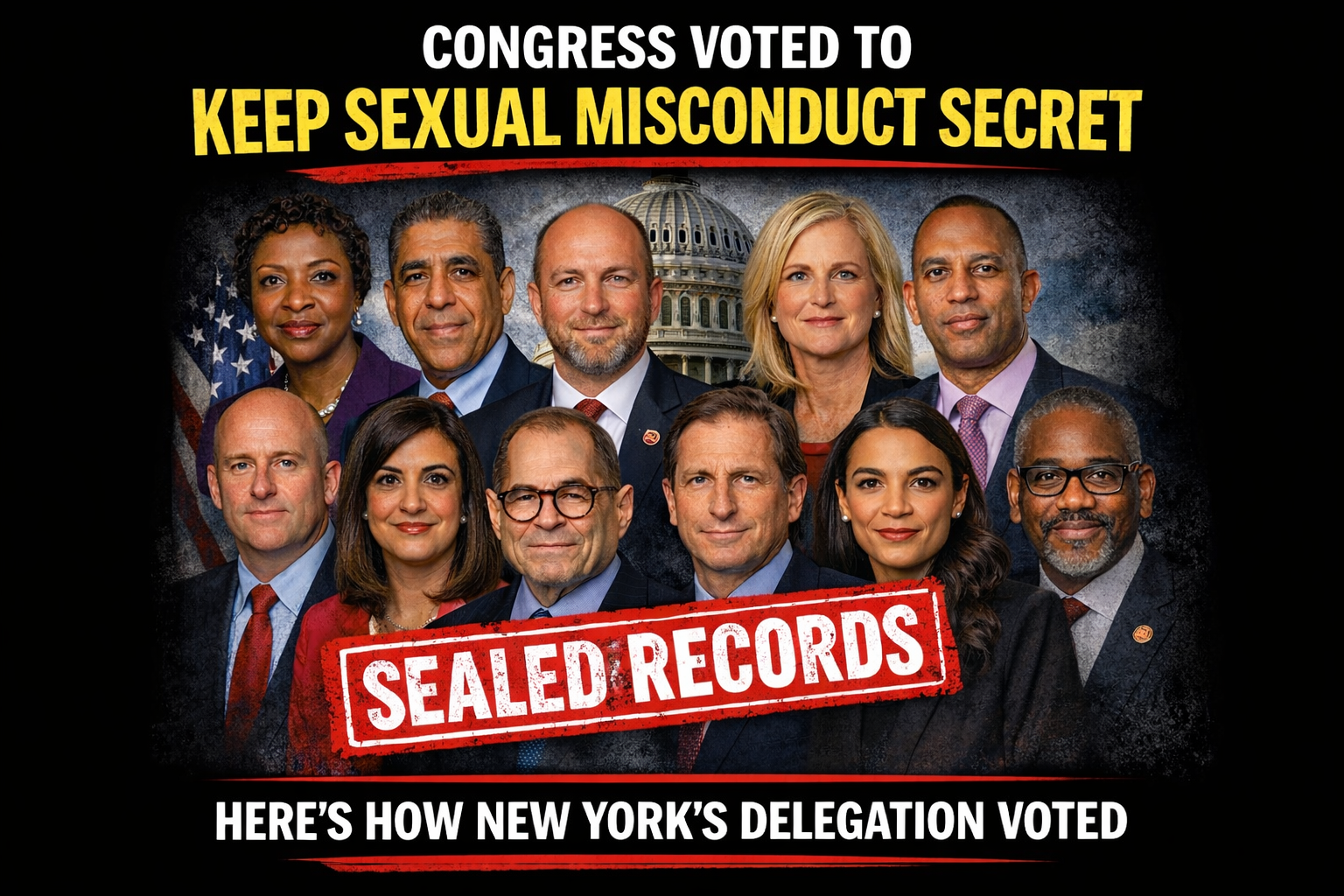
On March 4 2026, the House took up Mace’s resolution and voted 357‑to‑65 to refer it to the Ethics Committee rather than advance it as written. In congressional procedure, referring a resolution back to committee effectively kills the measure by removing it from active consideration — and that is exactly what happened here.
This procedural move meant that instead of a direct up‑or‑down vote on transparency, lawmakers chose a path that preserved the Ethics Committee’s control over the records, keeping them sealed from public scrutiny. The overwhelming majority — 357 members — cast their votes in favor of the referral.
The optics of that outcome have enraged transparency advocates and many ordinary citizens. Critics argue that rather than confronting misconduct and making information available for public accountability, the House used its own rules to hide details about how it governs and polices its own members. The vote did not occur quietly; it was a conscious choice by lawmakers to protect institutional confidentiality.
Why the Vote Sparks Outrage
At its core, this controversy is not just about one procedural vote. It cuts to the heart of how power works in Washington.
Many critics see this as evidence that lawmakers — regardless of party — will close ranks to protect themselves from public scrutiny. That perception is amplified by the fact that the resolution included redactions for privacy, meaning it was not a reckless attempt to dump sensitive personal data into the public sphere. Despite those protections, the measure was still blocked by an overwhelming vote.
For victims and advocates, the decision feels like a betrayal. In the wake of high‑profile cases — such as allegations involving Rep. Tony Gonzales of Texas that triggered this push for disclosure — many people expected Congress to confront misconduct more transparently. Instead, lawmakers chose procedure over accountability, and the message was clear: protect the institution first, not the public trust or victims’ interests.
Who Voted Against Transparency (and What They Said)

The vote to refer the resolution back to the Ethics Committee was overwhelmingly bipartisan. Members from both parties supported the procedural move that effectively shelved the transparency proposal.
Supporters of the referral, including leadership on the House Ethics Committee, justified their position by arguing that releasing investigation materials publicly — even with redactions — could discourage victims and witnesses from coming forward in future cases. They said that the confidentiality of the Ethics Committee’s process was crucial for thorough investigations and to protect individuals’ privacy.
Opponents of the transparency push — including both Republicans and Democrats — tended to adopt this line of reasoning broadly, stressing that confidentiality fosters cooperation and protects participants in investigations. However, critics argue that this defense conflates procedural caution with self‑preservation and that Congress could have adopted stronger privacy safeguards if genuine concern for victims was central.
What Supporters of Transparency Are Saying
Rep. Nancy Mace and her allies have been vocal about their disappointment and frustration with the House leadership’s stance. Mace called the vote “shameful” and accused her colleagues of colluding to protect lawmakers instead of victims. She warned that anyone who voted against her resolution had effectively chosen to hide sexual harassment records rather than make them public.
Some supporters pointed out the irony that many lawmakers who champion workplace safety and accountability in other contexts nevertheless voted to keep these records confidential. Others noted that Congress has previously released sensitive documents — such as the Epstein files — when political pressure or public demand was strong enough, suggesting that inertia and institutional self‑protection, not just concern for victims, played a role in the outcome.
This vocal criticism has come from across the political spectrum, underscoring that many see this as an issue about fairness, transparency, and the public’s right to know.
Institutional Secrecy vs. Public Accountability

The controversy over this vote speaks to a deeper tension within American governance: who controls sensitive information and how transparent should institutions be when wrongdoing — especially involving elected officials — is alleged?
In many organizations outside of government, transparency about misconduct is increasingly standard. Corporations publish findings, and courts often make decisions and judgments public when they involve wrongdoing. Critics argue that Congress — as a public institution with extraordinary powers and taxpayer funding — should be held to similar expectations.
Instead, the institutional default remains confidentiality. Ethics investigations are handled internally, with reports and materials generally sealed unless the body itself chooses to disclose them. That structure gives Congress significant control over what the public sees and what remains private, and the March vote demonstrated how tightly that control is guarded.
Transparency in Government
Calls for transparency are hardly new in American politics. In recent years, activists and watchdog groups have pushed for more openness across government institutions, from spending records to lobbying disclosures. Some laws, like the Speak Out Act, have attempted to reduce the ability of private agreements to hide misconduct allegations in other sectors.
Yet when it comes to Congress policing itself, the rules are still largely internal. Laws like the Congressional Accountability Act of 1995 sought to apply workplace protections to congressional offices, but critics say that enforcement remains uneven and that oversight mechanisms still lack teeth and public visibility.
The vote to bury the sexual misconduct records proposal highlights how far Congress still has to go — if it ever will — in opening its internal processes to the same scrutiny it demands of other institutions.
How This Vote Could Affect Public Trust

For many Americans, trust in government is already low, and decisions like this can deepen cynicism about elected officials. When lawmakers act to protect themselves rather than answer difficult questions from the public, it reinforces the belief that political elites operate under different rules than ordinary citizens.
Some political analysts suggest that this episode will become a talking point in campaign ads, debates, and political organizing, particularly among groups focused on government accountability and anti‑corruption. If voters remember which members voted to bury the resolution, that could influence elections and reshape how candidates talk about transparency in the future.
Beyond the Vote: What Comes Next
Although the resolution was killed, supporters say they are not done. Some lawmakers have proposed using subpoena powers or alternative legislative tools to force disclosure of misconduct records. Others are pushing for reforms to the Ethics Committee itself or for greater reporting requirements that could bridge the divide between confidentiality and accountability.
Meanwhile, public pressure continues to mount. Social media debates and news coverage have amplified the controversy beyond Washington, prompting petitions and watchdog campaigns aimed at forcing greater transparency.
The fight over how Congress handles sexual misconduct records may now extend far beyond this one procedural vote — and it could shape broader legislative reform efforts on ethics and disclosure.
Transparency or Protectionism in Congress
The decision by 357 members of the House to effectively cover up sexual harassment and misconduct records rather than release them to the public is more than a parliamentary maneuver. It reflects a deep tension in democracy between institutional self‑protection and accountability to the people. For many Americans, that vote was a stark reminder that political power often shields itself, making transparency more difficult when it is needed most.
Whether this episode becomes a catalyst for real reform — or a symbol of how entrenched political structures resist accountability — will depend on how lawmakers, activists, and voters respond in the months and years ahead.