
Table of Contents
- The Battle Against Trophy Hunting
- What the Ban Means for Wildlife Conservation
- The Role of Eco-Tourism in Costa Rica’s Conservation Success
- The Ethical Implications of Trophy Hunting
- The Government’s Role in Protecting Wildlife
- The Future of Wildlife Protection in Costa Rica
- Conclusion: What This Means for the World
The Battle Against Trophy Hunting
Trophy hunting has long been a controversial issue worldwide, with critics arguing that it leads to the decline of endangered species and disrupts the natural balance of ecosystems. In Costa Rica, the practice has been particularly contentious, with animal rights organizations pushing for stronger laws to protect vulnerable wildlife. For years, Costa Rica’s reputation as an eco-tourism destination and a country known for its environmental consciousness was marred by its policy on hunting. Although the country had made strides in protecting its flora and fauna through national parks and wildlife reserves, the issue of trophy hunting remained a thorn in the side of conservation efforts.
Costa Rica’s journey toward banning trophy hunting was not easy. The battle was waged by conservationists, animal rights groups, and even some within the country’s government who recognized the importance of protecting endangered species. However, progress was slow, as hunters often argued that the practice helped fund conservation efforts and promoted eco-tourism. The breakthrough came when a growing global movement against trophy hunting, combined with local pressure, began to shift the public opinion in favor of stronger protections for wildlife.
What the Ban Means for Wildlife Conservation
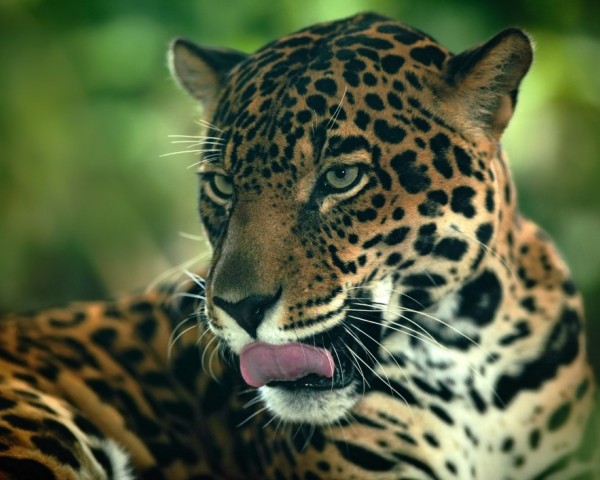
The trophy hunting ban in Costa Rica is not just a symbolic victory; it has tangible benefits for the nation’s wildlife. By ending the practice, Costa Rica has effectively removed a threat that has historically contributed to the decline of certain species. The ban ensures that animals will no longer be killed for sport, allowing populations of species such as jaguars, pumas, and other vulnerable animals to thrive in their natural habitats without the threat of being hunted for trophies.
Moreover, this ban sets an important precedent for other nations in Central America and around the world. Costa Rica’s decision to eliminate trophy hunting is a demonstration of how countries can prioritize environmental protection and sustainable practices over exploitative activities. With the success of Costa Rica’s wildlife policies, there is now a stronger global push to implement similar bans and improve the enforcement of laws designed to protect endangered species.
The Role of Eco-Tourism in Costa Rica’s Conservation Success
Costa Rica’s successful transition away from trophy hunting can be largely attributed to its focus on eco-tourism, which has become one of the country’s most significant sources of income. By emphasizing wildlife preservation and offering tourists opportunities to experience Costa Rica’s rich biodiversity, the country has shifted the focus from exploitation to conservation. National parks and protected areas have flourished as tourist destinations, and the ban on trophy hunting is expected to further boost the country’s eco-tourism industry.
The growing interest in responsible travel, where visitors participate in wildlife conservation efforts instead of contributing to the exploitation of animals, aligns perfectly with Costa Rica’s brand. As tourists become more conscientious about their environmental impact, the country’s eco-tourism initiatives continue to thrive, creating a sustainable economic model that prioritizes the protection of wildlife over the destructive practice of hunting for sport.
The Ethical Implications of Trophy Hunting
The ethics of trophy hunting have been at the heart of the debate surrounding the practice for many years. Critics argue that hunting animals for sport is cruel, and it often results in the unnecessary death of vulnerable species that are already at risk. These hunters often justify their actions by claiming that they are contributing to conservation efforts, but many conservationists contend that this argument is flawed. Trophy hunting often targets the healthiest and strongest animals in a population, disrupting the natural selection process and potentially causing long-term harm to the ecosystem.
Costa Rica’s decision to ban trophy hunting reflects a growing understanding of the ethical implications of hunting for sport. By prioritizing the welfare of animals over the interests of hunters, Costa Rica is leading the charge toward a more humane approach to wildlife conservation. The move signals a shift in global attitudes toward the treatment of animals, especially in countries where hunting has historically been a tradition or a source of income.
The Government’s Role in Protecting Wildlife
While the ban on trophy hunting was a major victory, it is not the end of the road for Costa Rica’s wildlife conservation efforts. The government will need to continue investing in the protection of its ecosystems and ensuring that the laws put in place to safeguard wildlife are effectively enforced. This includes strengthening anti-poaching measures, increasing penalties for wildlife crimes, and continuing to support sustainable practices in agriculture and forestry.
In addition, Costa Rica’s government will need to work closely with local communities to ensure that conservation efforts are inclusive and that people benefit from the country’s eco-tourism initiatives. This will involve providing education and economic opportunities to those who rely on hunting or natural resource extraction for their livelihoods. By engaging local populations in conservation efforts, Costa Rica can create a model of wildlife protection that benefits both animals and humans.
The Future of Wildlife Protection in Costa Rica
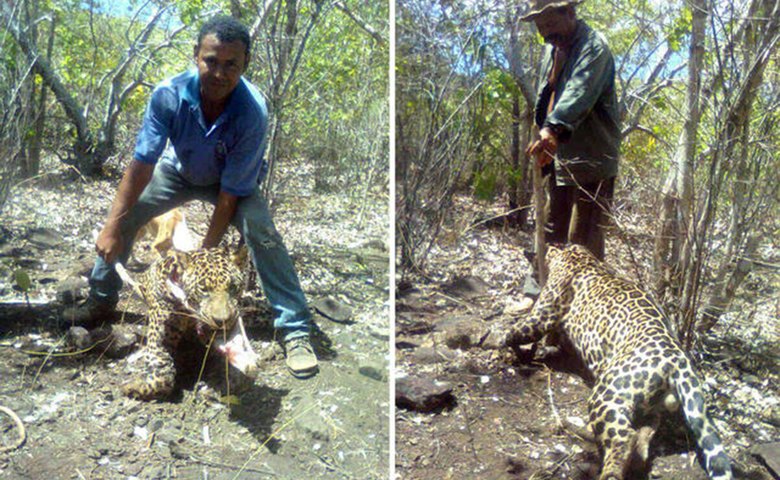
Looking ahead, the ban on trophy hunting is just one piece of the puzzle in Costa Rica’s broader strategy for wildlife conservation. The country has long been a global leader in biodiversity protection, and this move will only further solidify its reputation as an environmental trailblazer. In the future, Costa Rica may expand its conservation efforts to include other controversial practices, such as illegal wildlife trade and deforestation, which continue to threaten the nation’s ecosystems.
The success of this ban also serves as a reminder that protecting wildlife requires ongoing commitment, resources, and political will. While the ban on trophy hunting is a significant achievement, it is part of a broader movement toward creating sustainable, ethical, and effective conservation policies that can be replicated in other nations.
Conclusion: What This Means for the World
Costa Rica’s decision to ban trophy hunting is not just a victory for the country’s wildlife—it is a global milestone in the fight for ethical conservation. As more countries take inspiration from Costa Rica’s actions, the hope is that we will see a worldwide shift toward prioritizing the protection of wildlife over the interests of hunters and industries that exploit animals. Costa Rica’s commitment to animal rights and its leadership in eco-tourism provide a roadmap for other nations to follow in the pursuit of sustainable conservation practices. In the years to come, this decision may well be viewed as the catalyst for a global movement that redefines humanity’s relationship with the natural world.