

Table of Contents
- When Questions About Vaccine Safety Took Center Stage
- Why Vaccine Safety Became a Global Concern
- How Vaccine Development Normally Works
- What Was Different About COVID-19 Vaccine Development
- Understanding Phase One Trials and Early Safety Checks
- What Phase Two Trials Revealed
- Why Phase Three Trials Were So Important
- How Regulators Evaluated the Data
- Why Emergency Authorization Did Not Mean Lower Standards
- What Happened After Vaccines Were Released
- Why Rare Side Effects Were Expected and Studied
- How Scientists Communicated Uncertainty
- Why Public Trust Was as Critical as Scientific Success
- The Role of Independent Oversight
- Why Speed Did Not Equal Recklessness
- How Vaccine Safety Compared to the Risks of COVID-19
- What the Vaccine Rollout Taught the World
- Why Ongoing Research Still Matters
- A Moment That Redefined Public Understanding of Vaccines
- What This Experience Means for the Future
- A Global Test of Science and Trust
- Why the Safety Conversation Still Matters
- A Reminder From a Global Crisis
When Questions About Vaccine Safety Took Center Stage
When news broke that COVID-19 vaccines were nearing approval at unprecedented speed, excitement was quickly followed by unease. For many people, the timeline felt almost unreal. Vaccines typically take years—sometimes decades—to develop, test, and approve. Yet here were scientists announcing results within a single year of a novel virus emerging.
The urgency of the pandemic demanded speed, but the public demanded reassurance. How could something developed so quickly be safe? What had been tested, and what had not? These questions became central not only to public discourse, but to whether vaccination efforts would succeed at all. What follows is a clear exploration of how COVID-19 vaccines were tested, why scientists maintained confidence in their safety, and what this process revealed about modern medicine under pressure.
Why Vaccine Safety Became a Global Concern
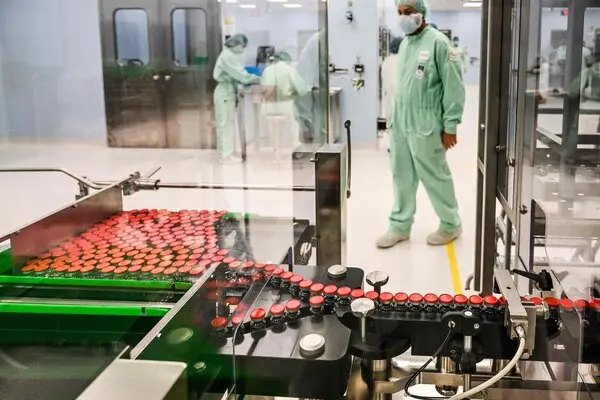
Vaccines occupy a unique place in medicine. Unlike treatments given to the sick, vaccines are administered to healthy people, often in massive numbers. That reality places an unusually high bar on safety. Even rare side effects matter when millions—or billions—are involved.
During the COVID-19 pandemic, fear and uncertainty magnified these concerns. Misinformation spread easily, fueled by the novelty of the virus and the rapid pace of scientific progress. In this environment, explaining vaccine safety became as important as developing the vaccines themselves.
How Vaccine Development Normally Works
Under normal circumstances, vaccine development follows a step-by-step process. Researchers begin with laboratory studies, then move to animal testing, and finally proceed through three phases of human clinical trials. Each phase answers specific questions about safety, dosage, and effectiveness.
This process usually unfolds sequentially, often slowed by funding gaps, limited manufacturing capacity, and the need to recruit trial participants. What changed during COVID-19 was not the science, but the timeline.
What Was Different About COVID-19 Vaccine Development

COVID-19 vaccine development moved quickly because multiple steps were conducted in parallel rather than one after another. Governments invested heavily in research, allowing companies to manufacture doses even before final approval. Clinical trial recruitment was rapid because the virus was widespread, making it easier to assess effectiveness.
Crucially, no testing phases were skipped. Each vaccine candidate still had to pass safety and efficacy benchmarks required by regulatory agencies. Speed came from resources and coordination, not from cutting corners.
Understanding Phase One Trials and Early Safety Checks
Phase one trials involve a small number of healthy volunteers and focus primarily on safety. Researchers monitor participants closely for side effects, testing different dose levels to identify those that produce an immune response without unacceptable reactions.
For COVID-19 vaccines, these early trials revealed common short-term side effects such as fatigue, headache, and soreness at the injection site—signals that the immune system was responding. Serious adverse events were rare, and trial protocols required immediate investigation of any unexpected outcome.
What Phase Two Trials Revealed
Phase two trials expanded the pool of participants, often including hundreds of people across different age groups. These trials continued to monitor safety while refining dosage and scheduling.
Researchers paid particular attention to whether side effects varied by age, underlying health conditions, or prior exposure to the virus. The results consistently showed that most side effects were mild to moderate and resolved within days.
Why Phase Three Trials Were So Important
Phase three trials involved tens of thousands of participants and were designed to detect rare side effects while confirming effectiveness. These large trials compared vaccinated individuals with those who received a placebo, tracking infection rates and health outcomes over time.
For COVID-19 vaccines, phase three trials demonstrated strong protection against severe disease while maintaining favorable safety profiles. Importantly, these trials included diverse populations, helping scientists understand how vaccines performed across different demographics.
How Regulators Evaluated the Data
Regulatory agencies reviewed extensive datasets before granting authorization. Independent advisory committees analyzed trial results, scrutinizing both safety signals and effectiveness metrics. These reviews were conducted publicly, allowing external experts to examine the evidence.
Approval decisions were based on a risk-benefit analysis. In the context of a pandemic that had already claimed millions of lives, the benefits of preventing severe disease and death far outweighed the risks identified in trials.
Why Emergency Authorization Did Not Mean Lower Standards
Emergency Use Authorization allowed vaccines to be distributed during a public health crisis, but it did not eliminate safety requirements. Manufacturers were still obligated to meet rigorous criteria, and authorization could be revoked if new safety concerns emerged.
Emergency authorization reflected urgency, not uncertainty. It acknowledged that waiting years for traditional approval would cost lives, while existing data already demonstrated strong safety and effectiveness.
What Happened After Vaccines Were Released
Vaccine safety monitoring did not end with approval. Post-authorization surveillance systems tracked millions of doses administered worldwide. Healthcare providers and patients reported side effects, allowing researchers to identify rare adverse events that might not appear in clinical trials.
This continuous monitoring reinforced confidence in vaccine safety while ensuring transparency. When rare side effects were detected, health agencies responded with updated guidance rather than silence.
Why Rare Side Effects Were Expected and Studied
No medical intervention is entirely risk-free. Scientists anticipated that rare side effects might emerge once vaccines were given to large populations. The key question was not whether side effects existed, but how frequent and severe they were.
Data consistently showed that serious adverse reactions were extremely uncommon, especially when compared to the risks associated with COVID-19 infection itself. This comparison remained central to public health messaging.
How Scientists Communicated Uncertainty
One of the challenges of the pandemic was communicating evolving information without eroding trust. Scientists emphasized what was known, what was still being studied, and how recommendations might change as new data emerged.
This transparency, while sometimes unsettling, reflected the reality of science in real time. Acknowledging uncertainty did not weaken credibility—it strengthened it.
Why Public Trust Was as Critical as Scientific Success
Even the safest vaccine cannot protect people if they refuse it. Public trust became a decisive factor in pandemic response. Explaining safety clearly, calmly, and honestly helped counter misinformation and fear.
Healthcare professionals played a crucial role, translating complex trial data into relatable explanations. Their voices often carried more weight than statistics alone.
The Role of Independent Oversight
Independent monitoring boards reviewed trial data throughout the process, with the authority to pause or stop trials if safety concerns arose. This oversight added another layer of protection, ensuring that decisions were not driven solely by commercial or political interests.
Such safeguards are standard in clinical research, and they remained firmly in place during COVID-19 vaccine development.
Why Speed Did Not Equal Recklessness
The unprecedented pace of COVID-19 vaccine development was the result of decades of prior research, particularly in mRNA technology. Scientists were not starting from scratch; they were building on foundations laid long before the pandemic.
This context helped explain why rapid progress was possible without compromising safety. The science was ready when the crisis arrived.
How Vaccine Safety Compared to the Risks of COVID-19
As safety data accumulated, comparisons became clearer. COVID-19 posed a significant risk of hospitalization, long-term complications, and death. Vaccines dramatically reduced these risks across age groups.
For public health officials, the comparison was stark. The known and measurable risks of vaccination were far smaller than the widespread harm caused by unchecked viral spread.
What the Vaccine Rollout Taught the World
The COVID-19 vaccine rollout became one of the largest public health efforts in history. It tested not only scientific systems, but communication, trust, and global cooperation.
Lessons learned during this period are likely to shape future responses to emerging diseases, influencing how quickly and safely vaccines can be developed again.
Why Ongoing Research Still Matters
Even after widespread vaccination, researchers continued studying long-term effects, booster strategies, and responses to new variants. Vaccine science did not stop with approval—it evolved.
This ongoing research reflects a commitment to refinement rather than complacency. Safety is not a static achievement, but a continuous process.
A Moment That Redefined Public Understanding of Vaccines
For many people, the pandemic offered a first close look at how vaccines are made, tested, and monitored. Concepts once confined to medical journals entered everyday conversation.
This visibility reshaped public understanding, highlighting both the rigor of the process and the challenges of communicating science during crisis.
What This Experience Means for the Future
The COVID-19 vaccine story is ultimately one of preparedness meeting urgency. It showed that with sufficient investment, transparency, and oversight, science can move quickly without sacrificing safety.
Future pandemics will bring new challenges, but the framework established during COVID-19 provides a blueprint for balancing speed with caution.
A Global Test of Science and Trust
The question of vaccine safety during COVID-19 was not merely scientific—it was social. It asked whether institutions could earn trust under pressure and whether people could make decisions based on evidence amid fear.
The answer, while imperfect, demonstrated what is possible when science, oversight, and communication align.
Why the Safety Conversation Still Matters
Even years later, discussions about vaccine safety continue to influence public health. Understanding how COVID-19 vaccines were tested remains relevant, not just for historical clarity, but for future decisions.
In the end, the story is not about blind faith in science, but informed confidence—built through evidence, transparency, and the willingness to ask difficult questions.
A Reminder From a Global Crisis
The COVID-19 vaccine effort stands as a reminder that safety is not compromised by urgency when science is supported, monitored, and communicated responsibly.
In a moment of global uncertainty, the process behind vaccine safety offered something rare: a reason to trust that progress, when guided carefully, can arrive faster than expected without losing its foundation.