
Table of Contents
- When Moscow Publicly Opened the Door to Europe Again
- How Relations Between Russia and Europe Reached This Point
- What Putin Actually Said and Why the Wording Matters
- Why This Message Came Now
- Europe’s Divided Response to the Idea of Reengagement
- The Role of Sanctions in Shaping the Stalemate
- Energy, Economics, and Mutual Dependence
- Security Concerns That Still Dominate the Relationship
- Why Mutual Trust Is the Biggest Obstacle
- The Global Context That Shapes European Decisions
- Why This Is Not a Return to the Past
- How Domestic Politics Influence Diplomatic Signals
- Why Silence Would Have Been More Significant
- What Restoration of Ties Would Actually Mean
- Why Europe’s Next Move Matters More Than Words
- Lessons From Past Attempts at Dialogue
- Why This Moment Feels Different but Uncertain
- The Broader Implications for Regional Stability
- Why This Is a Test of Diplomatic Maturity
- A Signal That Changes the Conversation, Not the Reality
- What This Means for the Future of Europe-Russia Relations
- A Moment That Leaves the Door Ajar
When Moscow Publicly Opened the Door to Europe Again
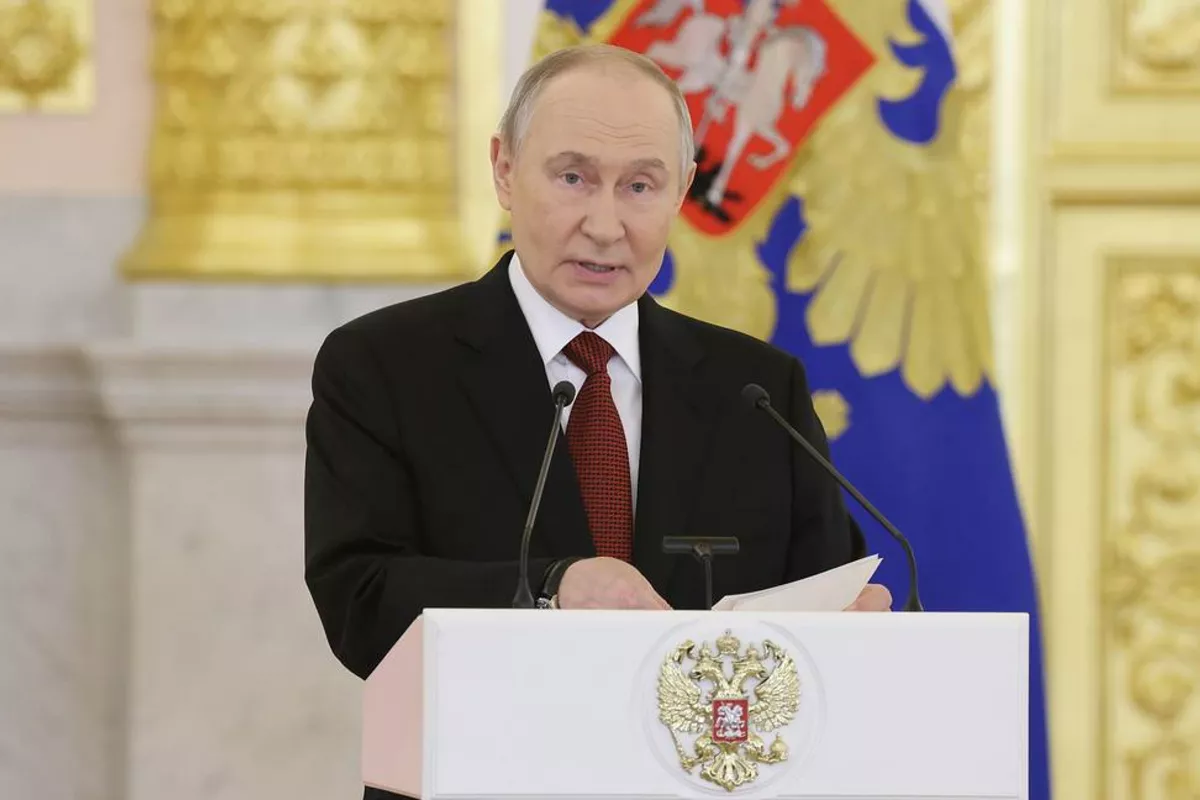
When Russian President Vladimir Putin stated that Russia was ready to restore relations with European countries, the remark landed quietly but deliberately. It did not arrive as a dramatic overture or a sweeping diplomatic proposal. Instead, it was delivered with measured language, signaling openness without urgency, and readiness without concession. For observers of European geopolitics, the message carried weight precisely because of its restraint.
After years of frozen dialogue, escalating sanctions, and hardened rhetoric, the suggestion of renewed engagement raised immediate questions. Was this a genuine shift in Moscow’s posture, or a strategic signal aimed at a changing global landscape? What follows is an exploration of the context behind Russia’s statement, the conditions attached to it, and what it reveals about the evolving relationship between Russia and Europe.
How Relations Between Russia and Europe Reached This Point
Relations between Russia and Europe have deteriorated steadily over the past decade, shaped by disputes over security, sovereignty, energy, and political alignment. What was once a complex but functional partnership gradually hardened into mutual suspicion and confrontation.
Sanctions imposed by the European Union, coupled with Russia’s countermeasures, reduced economic cooperation and narrowed diplomatic channels. Dialogue became transactional, often confined to crisis management rather than long-term vision. Against this backdrop, any suggestion of restoring ties represents a notable shift in tone, even if not yet in substance.
What Putin Actually Said and Why the Wording Matters
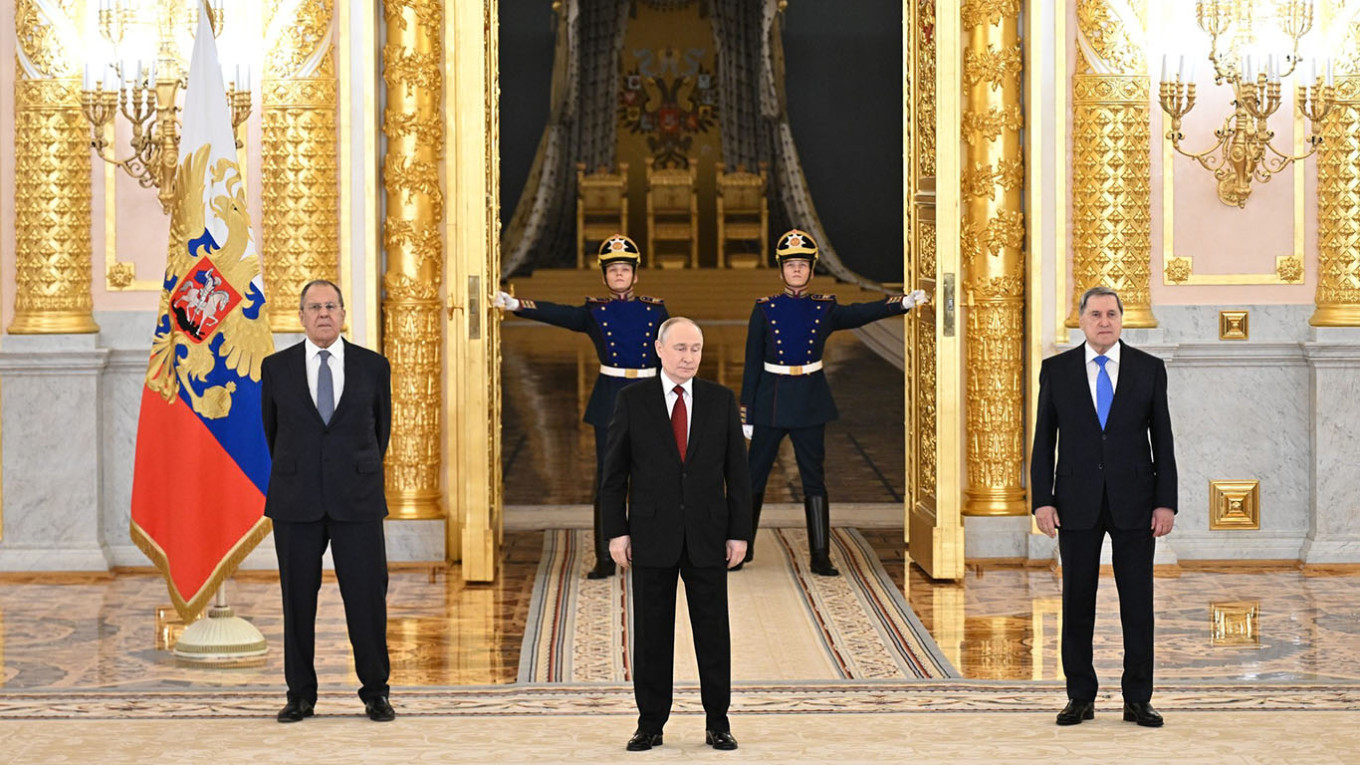
Putin’s statement emphasized readiness rather than initiative. Russia, he suggested, was not seeking reconciliation at any cost, but remained open to engagement if European countries were willing to pursue dialogue based on mutual respect.
The phrasing avoided blame while also avoiding apology. It placed responsibility for future relations not solely on Moscow, but on Europe’s willingness to reassess its stance. This balance reflects a broader Russian diplomatic approach: signaling openness while maintaining firm positions on core issues.
Why This Message Came Now
Timing matters in diplomacy, and the statement emerged amid broader global shifts. Europe faces internal economic pressures, energy transitions, and geopolitical recalibration. Meanwhile, global power dynamics are increasingly multipolar, with attention divided across multiple regions.
For Russia, signaling openness to Europe at this moment may serve several purposes. It underscores that Moscow is not isolated, reframes Russia as a potential partner rather than a permanent adversary, and tests whether European capitals are prepared to move beyond entrenched positions.
Europe’s Divided Response to the Idea of Reengagement
Europe is not a single voice when it comes to Russia. Some countries favor cautious engagement, emphasizing dialogue as a tool for stability. Others remain deeply skeptical, citing unresolved conflicts and concerns over security.
This division complicates any effort to restore ties. Even if some European leaders are open to renewed dialogue, consensus within the EU is difficult to achieve. Russia’s statement implicitly acknowledges this fragmentation, addressing Europe collectively while knowing responses will vary.
The Role of Sanctions in Shaping the Stalemate
Sanctions have become a defining feature of EU-Russia relations. Initially intended as leverage, they have gradually solidified into a structural barrier, limiting interaction and hardening attitudes on both sides.
Russia has repeatedly criticized sanctions as counterproductive, arguing that they undermine trust and dialogue. Any restoration of ties would likely require addressing this issue, yet lifting sanctions remains politically sensitive within Europe.
Energy, Economics, and Mutual Dependence
Despite political tensions, Europe and Russia remain economically intertwined, particularly in the energy sector. While Europe has worked to diversify its energy sources, Russian resources have historically played a significant role in European markets.
Putin’s statement may reflect recognition that long-term economic isolation is unsustainable for either side. Restoring ties does not necessarily mean returning to previous arrangements, but it suggests a willingness to explore pragmatic cooperation where interests align.
Security Concerns That Still Dominate the Relationship

Security remains the most contentious dimension of EU-Russia relations. Military posture, regional conflicts, and alliance structures continue to shape perceptions and policy decisions.
Any meaningful restoration of ties would require addressing these concerns, not bypassing them. Putin’s statement does not offer specific solutions, but it implies that dialogue, rather than perpetual confrontation, remains preferable.
Why Mutual Trust Is the Biggest Obstacle
Trust, once lost, is difficult to rebuild. Years of accusatory rhetoric and policy escalation have eroded confidence on both sides. Statements of readiness alone cannot restore trust; they can only create space for conversation.
European leaders are likely to scrutinize Russia’s intentions carefully, weighing words against actions. Similarly, Moscow remains wary of European commitments, shaped by past experiences of stalled engagement.
The Global Context That Shapes European Decisions
Europe’s approach to Russia is influenced not only by bilateral history, but by global alliances and strategic priorities. Transatlantic relations, competition with other global powers, and shifting economic realities all factor into decision-making.
Russia’s signal of readiness can be seen as an attempt to position itself within this broader context, offering Europe an alternative to permanent estrangement in an increasingly complex world.
Why This Is Not a Return to the Past
Even if ties were restored, they would not resemble earlier periods of cooperation. The geopolitical landscape has changed, and so have expectations on both sides. Any renewed relationship would likely be narrower, more cautious, and more transactional.
Putin’s statement reflects this realism. It does not promise reconciliation or partnership, but acknowledges the possibility of coexistence through dialogue.
How Domestic Politics Influence Diplomatic Signals
Domestic considerations often shape foreign policy messaging. For Russia, presenting itself as open to dialogue reinforces a narrative of sovereignty and strength rather than isolation. It frames Russia as a rational actor willing to engage on equal terms.
For European leaders, responding to such signals involves balancing domestic political pressures with strategic interests. Public opinion, security concerns, and alliance commitments all shape how openness is interpreted.
Why Silence Would Have Been More Significant
In diplomacy, silence can be as telling as speech. The fact that Russia chose to articulate readiness suggests an awareness that current trajectories are unsustainable. Remaining silent would have implied acceptance of permanent division.
By speaking, Moscow signaled that the door remains open, even if only slightly. That alone reshapes the diplomatic landscape, introducing possibility where stagnation had prevailed.
What Restoration of Ties Would Actually Mean
Restoring ties does not necessarily imply normalization. It could mean reopening communication channels, expanding diplomatic engagement, or cooperating on specific issues such as arms control, climate, or regional stability.
The absence of specifics in Putin’s statement leaves room for interpretation, but also flexibility. It allows future discussions to define the scope and pace of any reengagement.
Why Europe’s Next Move Matters More Than Words
The significance of Russia’s statement ultimately depends on Europe’s response. Without reciprocal signals, readiness remains theoretical. European leaders now face a choice: maintain distance, test dialogue cautiously, or redefine engagement entirely.
Each option carries risks. Engagement could be criticized as weakness, while continued isolation may entrench divisions further. The decision will shape Europe’s strategic posture for years to come.
Lessons From Past Attempts at Dialogue
History offers mixed lessons. Periods of engagement have produced cooperation as well as disappointment. Both sides carry memories of initiatives that failed to deliver lasting change.
These experiences inform current skepticism, but they also highlight the importance of realistic expectations. Dialogue does not guarantee agreement, but it can prevent escalation.
Why This Moment Feels Different but Uncertain
What sets this moment apart is not optimism, but exhaustion. Years of confrontation have yielded few tangible benefits for either side. Economic costs, diplomatic isolation, and security tensions weigh heavily.
Putin’s statement taps into this fatigue, acknowledging that perpetual hostility is not a strategy. Whether Europe shares that assessment remains unclear.
The Broader Implications for Regional Stability
EU-Russia relations influence not only bilateral ties, but regional stability across Eastern Europe, the Caucasus, and beyond. A thaw, even limited, could reduce tensions and create space for conflict management.
Conversely, mismanaged engagement could deepen mistrust. The stakes extend far beyond symbolic gestures.
Why This Is a Test of Diplomatic Maturity
Restoring ties requires patience, consistency, and restraint. It demands recognition of differences without surrendering principles. Putin’s statement initiates a test—not just of political will, but of diplomatic maturity on both sides.
Whether this test leads to renewed dialogue or reinforces existing divides will depend on actions, not declarations.
A Signal That Changes the Conversation, Not the Reality
For now, Russia’s readiness to restore ties with Europe remains a signal rather than a shift. It changes the conversation without changing the reality on the ground.
Yet in diplomacy, conversation itself matters. It shapes expectations, opens channels, and introduces alternatives to stalemate.
What This Means for the Future of Europe-Russia Relations
The future remains uncertain. Restoring ties will require addressing difficult questions about security, sovereignty, and trust. No single statement can resolve these issues.
Still, by signaling openness, Russia has reminded Europe that the relationship is not frozen by inevitability, but by choice.
A Moment That Leaves the Door Ajar
Putin’s words did not promise reconciliation, nor did they demand it. They simply acknowledged the possibility of moving forward differently.
In a geopolitical climate defined by rigidity, that acknowledgment alone carries significance. Whether Europe chooses to step through the door—or leave it ajar—will define the next chapter in a relationship that continues to shape the continent’s future.