
Table of Contents
What Does This Mean for Apple?
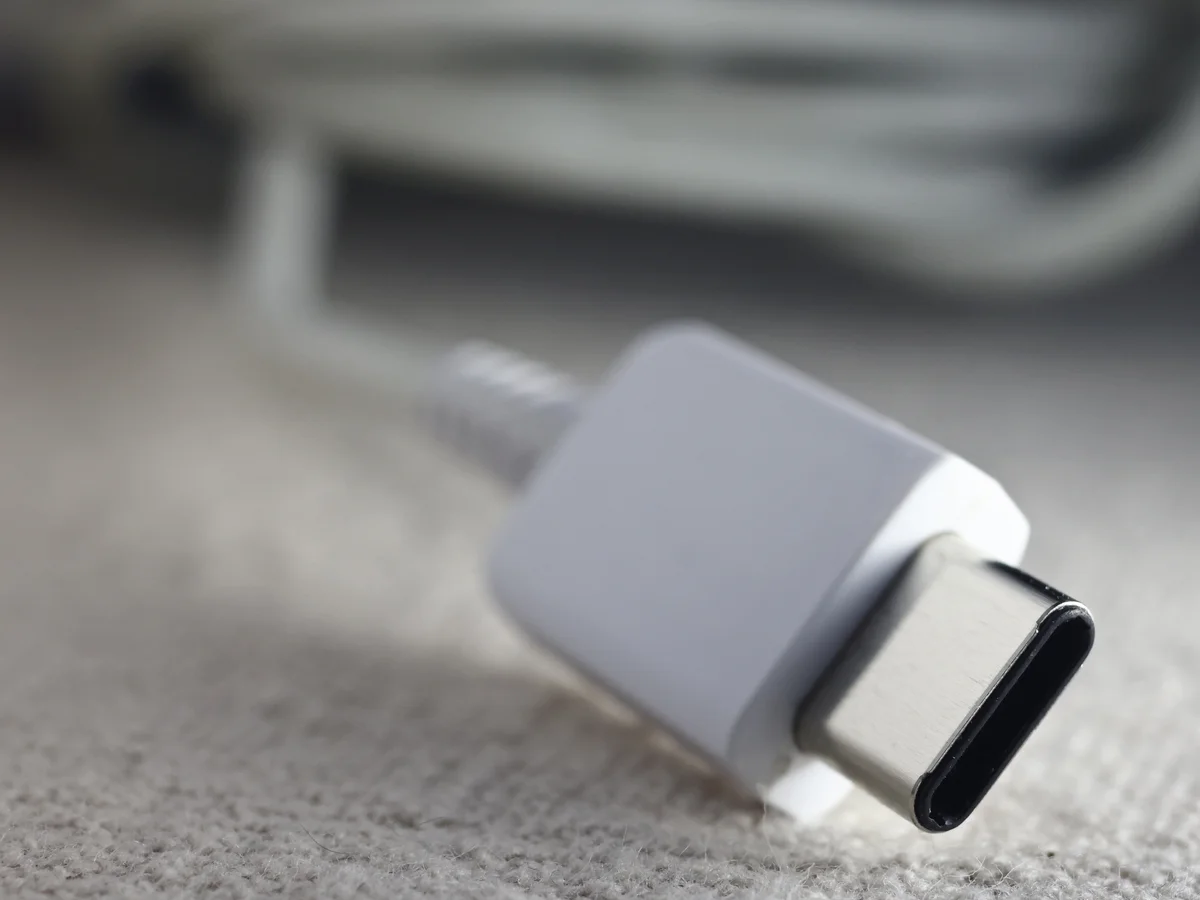
Apple, which has built its ecosystem around the Lightning connector for the past decade, will now be forced to switch to USB-C. The company had been resistant to this change, with executives arguing that it would stifle innovation and increase e-waste. Yet, the European Commission, which estimates the move could save consumers around €250 million annually, remains firm in its stance, emphasizing the environmental and economic benefits of unifying charging standards. This decision impacts not just Apple, but other tech giants like Samsung, Huawei, and various accessory makers who will have to adjust their products to the new European standard.
Apple had previously resisted this move, warning that a single charging port would hinder its ability to innovate. Yet, many experts believe this could drive consumers to buy Apple’s latest devices that will adopt USB-C, as it becomes the industry standard. Analysts like Ben Wood from CCS Insight see this as a victory for common sense, stating that the widespread adoption of USB-C across all consumer electronics makes it inevitable that the iPhone will also join the trend.
Impact Beyond Phones
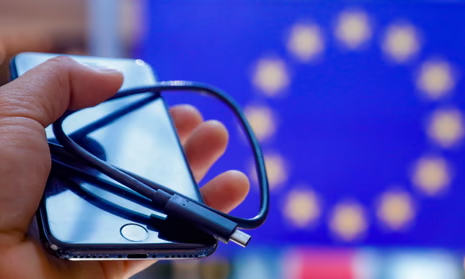
The new law doesn’t just impact mobile phones. It extends to a range of other devices, including tablets, cameras, e-readers, and even earbuds. This broad application ensures that users will no longer need to worry about different charging cables for their tech gadgets. Additionally, manufacturers will benefit from a reduction in production costs, as they can focus on creating just one type of connector, thus reducing the complexity of designing and manufacturing different cables for each product.
While Apple will face the biggest challenges due to its significant market share and commitment to Lightning connectors, other companies are also likely to feel the pressure. Samsung and Huawei, both of which have already transitioned to USB-C for their devices, will not need to make significant changes but will benefit from the overall uniformity. The push for USB-C is also part of the European Union’s broader environmental agenda to reduce e-waste. The EU has stated that harmonizing the charging port will allow users to reuse their old cables, reducing the need for disposable accessories.
What Does This Mean for Consumers?
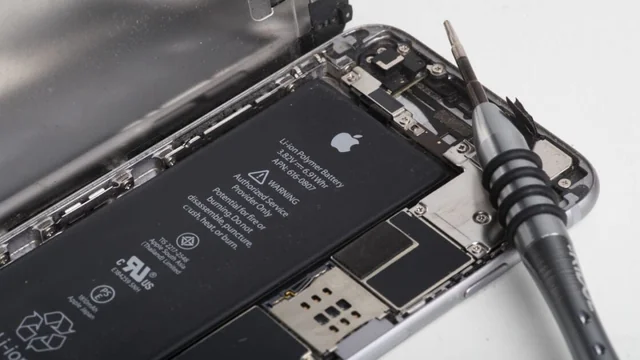
For consumers, this law could bring much-needed relief. The days of scrambling to find a specific charger for each device may soon be over, and many will appreciate the simplicity of a single charging port for all their devices. Furthermore, the EU Commission believes that the new law could save consumers up to €250 million in annual costs by reducing the need to buy multiple chargers for various gadgets.
However, while consumers may see immediate benefits, it remains to be seen whether this move will lead to long-term changes in consumer behavior. As more companies adopt USB-C, consumers may begin to realize how much of their previous electronic waste was caused by incompatible charging ports. The push for a universal standard aligns with growing concerns about the environment and the need to reduce waste. This change could become a case study in the importance of setting industry standards that benefit both consumers and the planet.
Apple’s Response and the Inevitable Shift
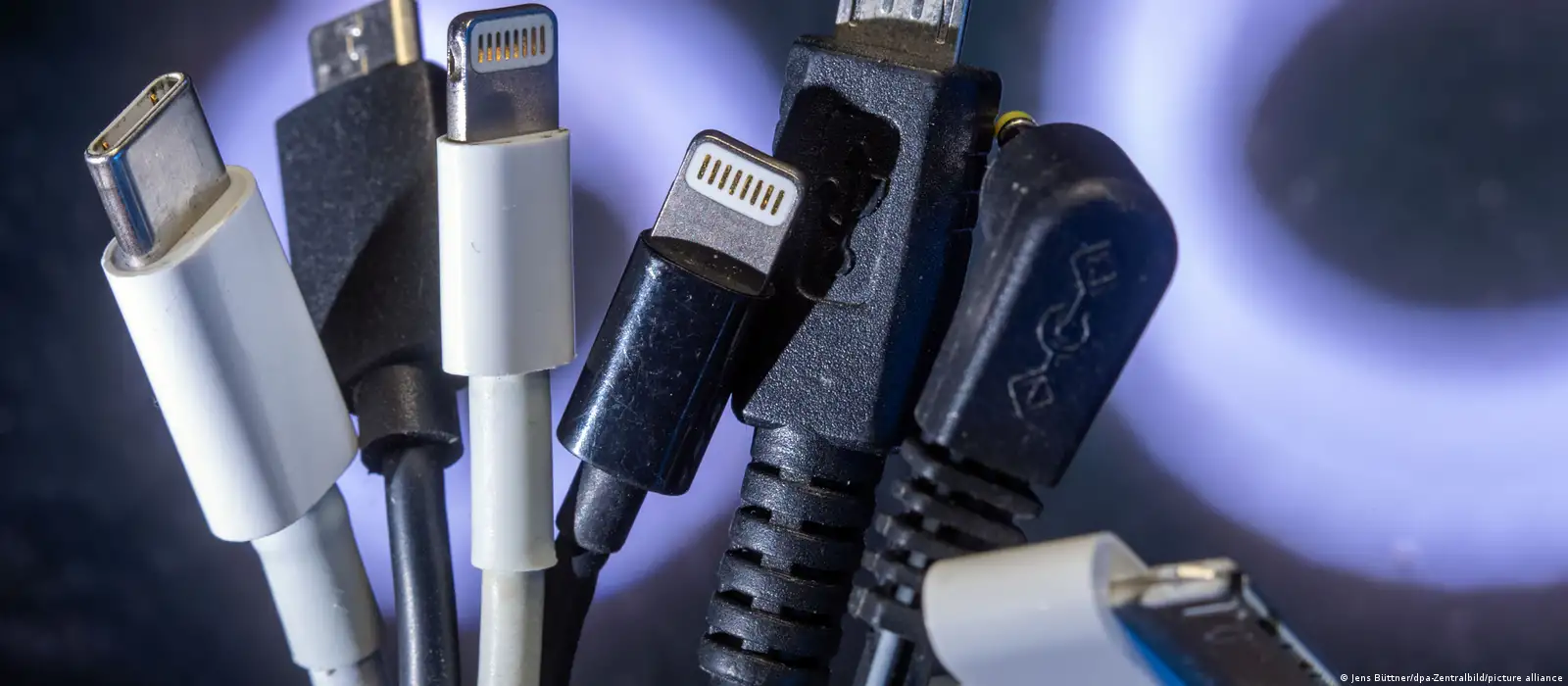
Apple has been notably quiet on the specifics of the new law. However, reports suggest that Apple is already working on an iPhone model with a USB-C charging port, likely to debut with the iPhone 15 in 2023. This suggests that the company may be preparing for the transition, albeit reluctantly. Analysts expect the iPhone 15 to feature a USB-C port, making it the first iPhone to break away from Apple’s proprietary Lightning connector. This change, while a result of external pressure, could also benefit Apple by creating a smoother, more universal charging experience for its customers, especially as USB-C chargers are now used by nearly every major tech company.
The transition is not expected to happen overnight, and consumers who are attached to the Lightning connector may feel some frustration during the switch. Yet, in the long run, the uniformity of charging ports could lead to fewer complications when charging multiple devices. It’s also likely that other manufacturers will follow suit, adopting USB-C as their primary charging standard.
Environmental Implications of the New Law
One of the most compelling arguments for the EU’s decision is its potential impact on reducing e-waste. The EU Commission estimates that harmonizing the charging port will help reduce the amount of electronic waste by encouraging consumers to reuse their existing cables and chargers. This change is part of a larger environmental push within the EU, aimed at making consumer electronics more sustainable and reducing the carbon footprint associated with the production of multiple different cables and chargers.
The reduction in electronic waste could have a significant impact on the global tech industry, as manufacturers are encouraged to adopt more environmentally friendly practices. This move aligns with the EU’s broader environmental agenda, which includes measures to reduce e-waste, encourage recycling, and promote sustainability across the tech industry.
A Global Trend Toward USB-C
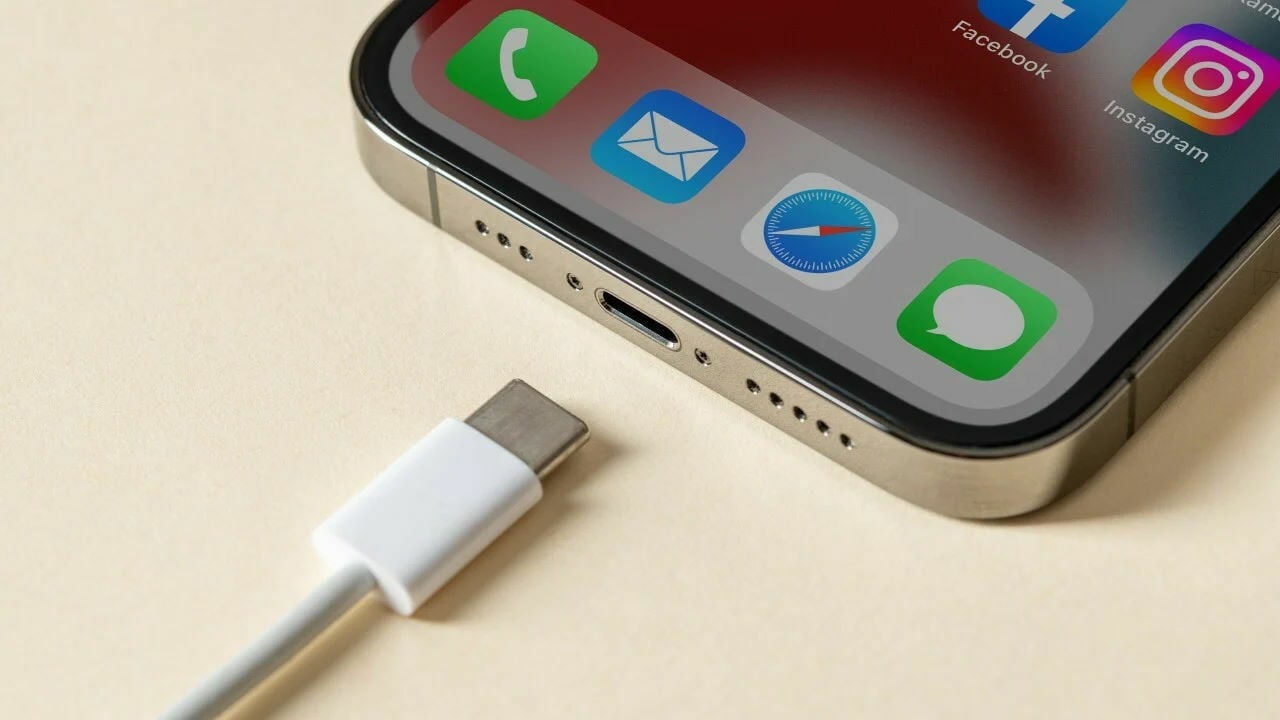
While the European Union is leading the charge, it’s not the only region where USB-C is gaining traction. In many countries, including the United States, USB-C has already become the preferred charging standard for devices such as laptops, smartphones, and tablets. The move toward USB-C is being driven by the increasing need for faster charging, better data transfer speeds, and more efficient power delivery.
As the EU sets the stage for a universal charging port, other countries may follow suit, seeing the benefits of reduced e-waste and the simplicity of a single connector for all devices. The widespread adoption of USB-C could help streamline the tech industry and encourage innovation that benefits consumers, manufacturers, and the environment alike.
A Turning Point for the Tech Industry
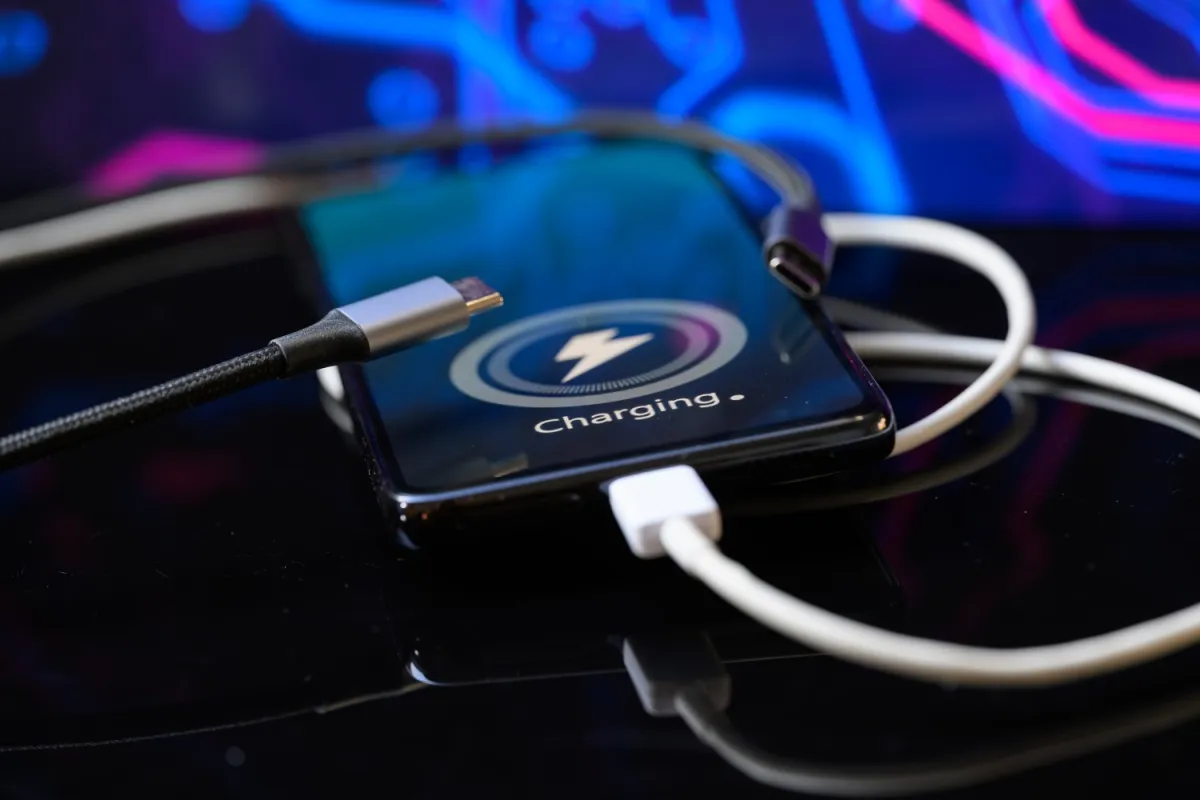
In conclusion, the EU’s decision to mandate USB-C as the universal charging standard by 2024 marks a significant milestone in the tech industry. While Apple and other manufacturers may face challenges in adjusting to the new law, the long-term benefits for consumers and the environment are clear. The shift to USB-C will not only simplify the tech experience for millions of users but also help reduce electronic waste and encourage the adoption of more sustainable practices within the tech industry.
The EU’s move could be a model for other regions looking to create more sustainable and user-friendly environments for consumer electronics. As the transition to USB-C takes place over the next few years, it will be interesting to see how manufacturers and consumers adapt to this new standard. One thing is certain: the era of multiple charging ports for every device is coming to an end, and a new chapter in the tech world is beginning.