
Table of Contents
- A Historic Change in Military Health Policy
- Medical Autonomy and Religious Freedom
- A Complex Legacy of Military Vaccination Programs
- The Aftermath of the COVID-19 Vaccine Mandate
- The Flu Season and Public Health Implications
- Implications for Future Vaccination Policies
- A Broader Debate on Health and Autonomy
- What This Means for the Future
A Historic Change in Military Health Policy
Vaccinations have been a staple of U.S. military health programs for centuries, with mandatory shots extending to various diseases including polio, tetanus, and the flu. However, the idea of forcing service members to receive vaccines has grown more contentious in recent years. During the COVID-19 pandemic, a significant number of military personnel resisted the vaccine mandate, with thousands seeking medical and religious exemptions. This resulted in over 8,400 troops being separated from service for noncompliance, a figure that has left a lasting mark on military culture and policies regarding health mandates.
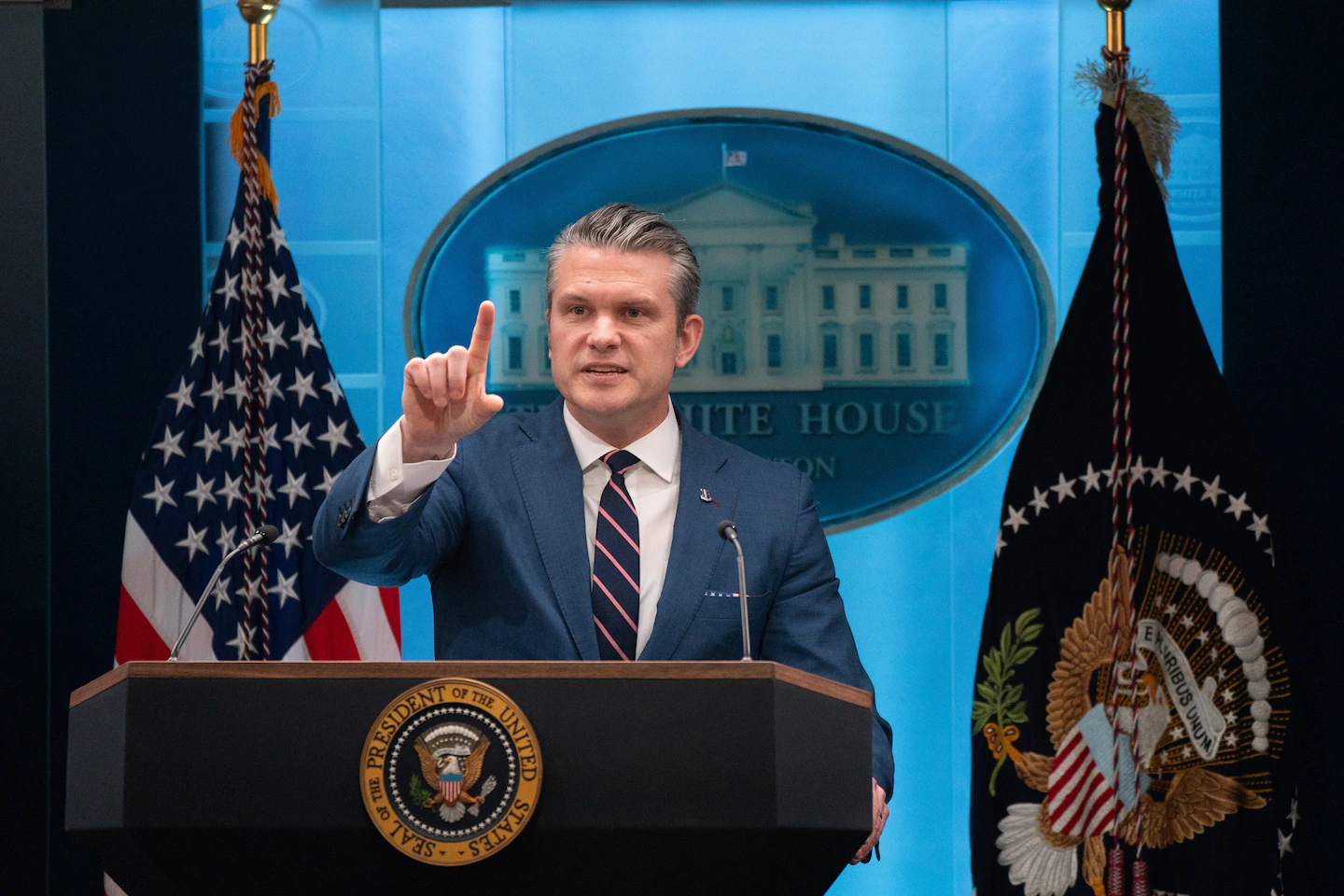
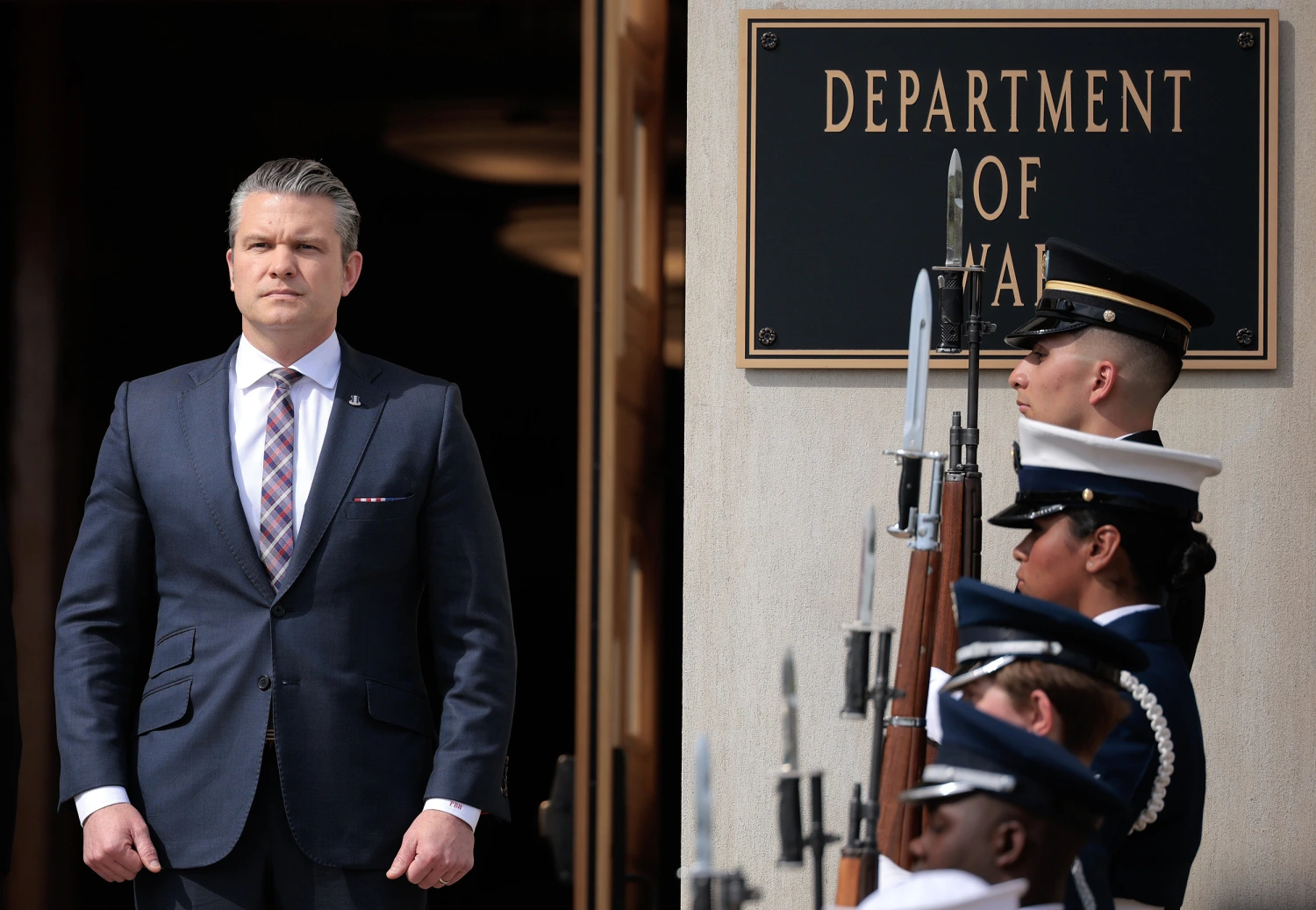
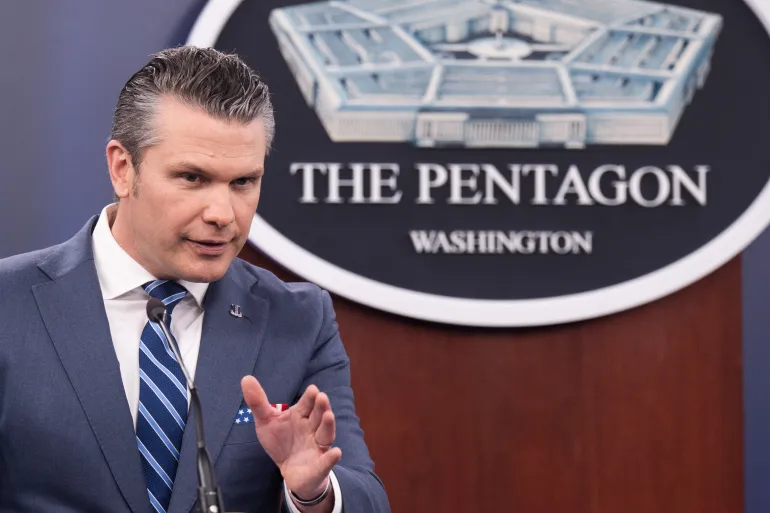
Hegseth’s policy reversal comes after years of heightened tension surrounding the vaccination issue, particularly following the COVID-19 vaccine mandate imposed in 2021. The mandate, which required all service members to be vaccinated against COVID-19, resulted in considerable political controversy and legal battles. In the end, Congress rescinded the mandate, with the Pentagon lifting the requirement in January 2023. The decision to end the flu shot mandate follows a similar line of thought—empowering individual service members to make their own health decisions without government interference.
Medical Autonomy and Religious Freedom

One of the central reasons for Hegseth’s decision to end the mandatory flu vaccine for U.S. troops is his strong belief in upholding personal freedoms. In a video posted on social media, Hegseth argued that the notion of forcing a flu shot on every service member “at all times” is “overly broad and not rational.” This reflects a broader societal debate that has intensified since the pandemic: the tension between collective health measures and individual freedoms.
Under this new policy, service members are still free to receive the flu shot but are no longer compelled to do so. Hegseth emphasized that personal choices regarding health, faith, and beliefs should remain “non-negotiable.” This shift places the responsibility for vaccination firmly in the hands of the service member, allowing for religious, medical, or personal objections to be fully respected, aligning with broader trends in U.S. policy that aim to preserve individual rights, especially in the military context.
A Complex Legacy of Military Vaccination Programs
The military’s history with vaccines dates back to the American Revolution, when George Washington ordered the inoculation of Continental Army soldiers to combat smallpox. Over the years, various vaccines have been mandated to protect troops from diseases that could undermine military readiness. The flu vaccine became a standard part of this regimen in the mid-20th century. However, in the wake of the COVID-19 pandemic, the subject of mandatory vaccinations became more controversial, with a sizable portion of the military opposing the idea of forced inoculations.
The removal of the flu shot mandate signals a broader shift in military health policy, one that reflects societal changes and growing concerns about government mandates in personal health matters. Although the flu vaccine has long been a recommended part of military readiness, Hegseth’s policy emphasizes flexibility and respect for personal autonomy. This marks a departure from past practices, but it may also set a precedent for how the military handles future vaccine-related decisions.
The Aftermath of the COVID-19 Vaccine Mandate
The decision to roll back vaccine mandates is also a response to the fallout from the military’s previous stance on COVID-19 vaccinations. In 2021, when the COVID-19 vaccine became mandatory, it created a sharp divide within the military, with many service members resisting the order. Legal challenges and public outcry followed, leading to exemptions being granted for both medical and religious reasons. Some service members were even discharged for their refusal to comply, while others sought reinstatement after the Pentagon dropped the mandate in early 2023.
Hegseth’s decision reflects a recognition that the politicization of health mandates has become a significant issue, not just in the military but across the nation. The end of the flu vaccine mandate could be seen as an effort to restore harmony and prevent further division within the armed forces, providing a balance between operational needs and individual rights.
The Flu Season and Public Health Implications

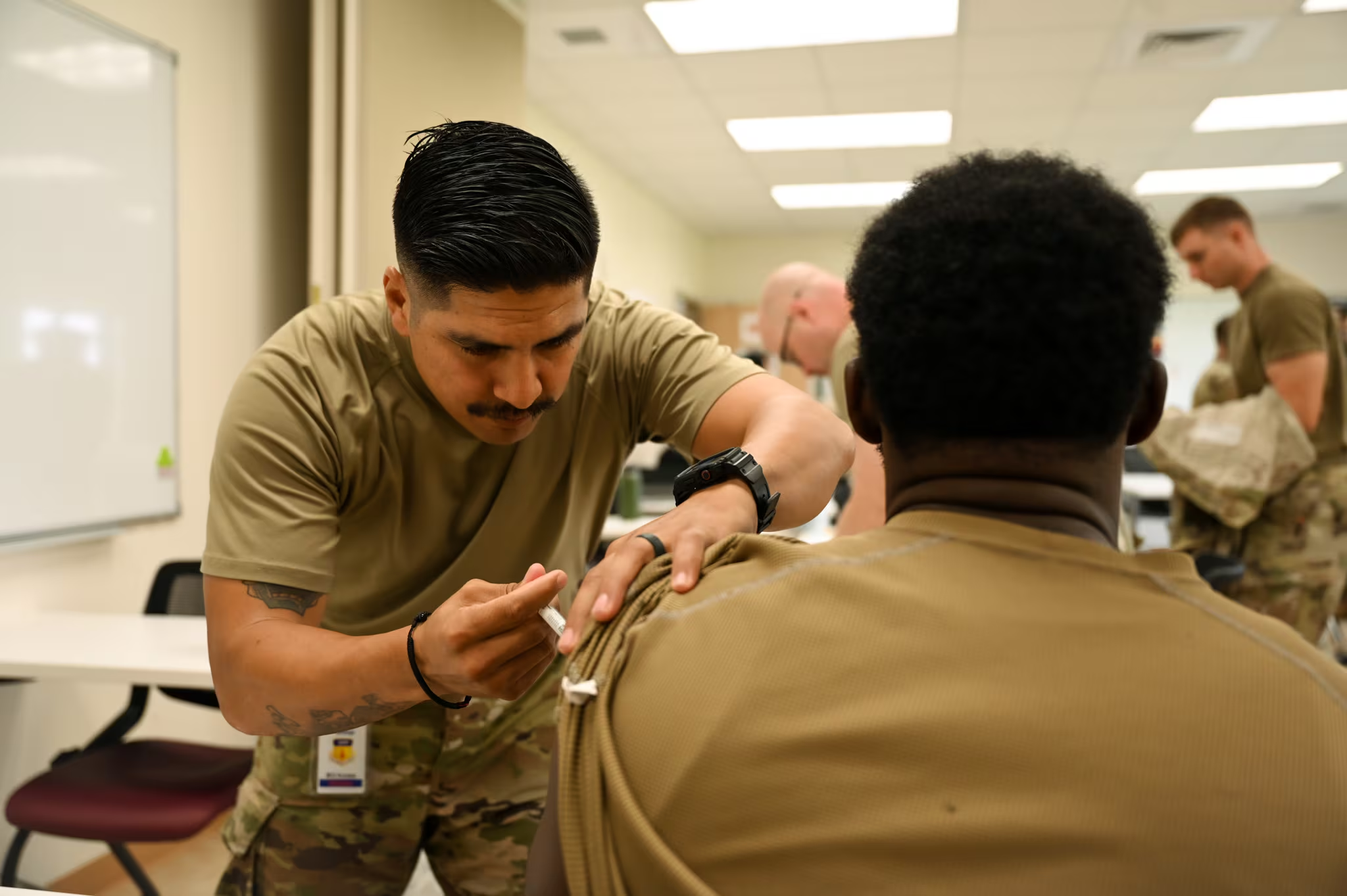
Despite the policy change, public health experts continue to recommend flu vaccinations for all individuals over the age of six months, including military personnel. In the wake of the 2023 flu season, which saw a significant surge in infections, experts are urging people to take precautions. The Centers for Disease Control and Prevention (CDC) recommends that everyone get an annual flu shot to protect against seasonal strains of the virus, which can lead to serious complications, particularly among vulnerable populations.
The U.S. military, with its unique population of young, healthy individuals, is typically less affected by the flu than the general public. However, given the risks posed by widespread illness, vaccination remains an important tool for maintaining military readiness. By allowing service members to opt out of the flu shot, the new policy could create challenges in terms of managing flu outbreaks within military units, particularly during peak seasons.
Implications for Future Vaccination Policies
Hegseth’s announcement raises questions about the future of vaccination requirements in the military. While the flu vaccine mandate has been lifted, the policy memo he issued allows individual military branches to request to maintain the mandate if they deem it necessary. This leaves room for flexibility within the branches, acknowledging that some military units may face unique challenges related to infectious diseases.
The potential for future vaccine mandates will likely depend on evolving public health conditions and the willingness of military leaders to balance readiness with respect for personal freedoms. Hegseth’s policy sets a new tone, one that emphasizes choice and personal responsibility, but it also invites further debate about the role of the military in enforcing health measures.
A Broader Debate on Health and Autonomy
Hegseth’s move is part of a broader national conversation about the role of government in regulating public health. The COVID-19 pandemic sparked heated debates over government-mandated health measures, including vaccine requirements. The U.S. military’s decision to reverse the flu shot mandate is just one of many examples of how the pandemic has reshaped policies regarding public health and personal freedoms.
In many ways, the decision reflects a growing trend toward prioritizing individual autonomy, not just within the military, but across society. The recognition that people have the right to make decisions about their health, including whether or not to receive certain vaccines, has gained traction, particularly among those who feel that government intervention in personal health decisions is overreaching.
What This Means for the Future
The U.S. military’s decision to end mandatory flu vaccinations for service members is a significant development that will undoubtedly have far-reaching consequences. While the move is likely to be welcomed by those who value personal autonomy, it also raises concerns about the potential impact on military readiness and public health. The debate over mandatory vaccinations is far from over, and the military’s new policy will likely serve as a model for future decisions regarding health mandates.
As the U.S. military adapts to this new approach, it will be important to monitor the long-term effects on troop health and operational effectiveness. The decision to respect the medical autonomy and religious beliefs of service members is a major step toward reconciling personal freedoms with national security needs, but it is a delicate balance that will require ongoing attention and adjustment.