
Table of Contents
The No-Tax Advantage
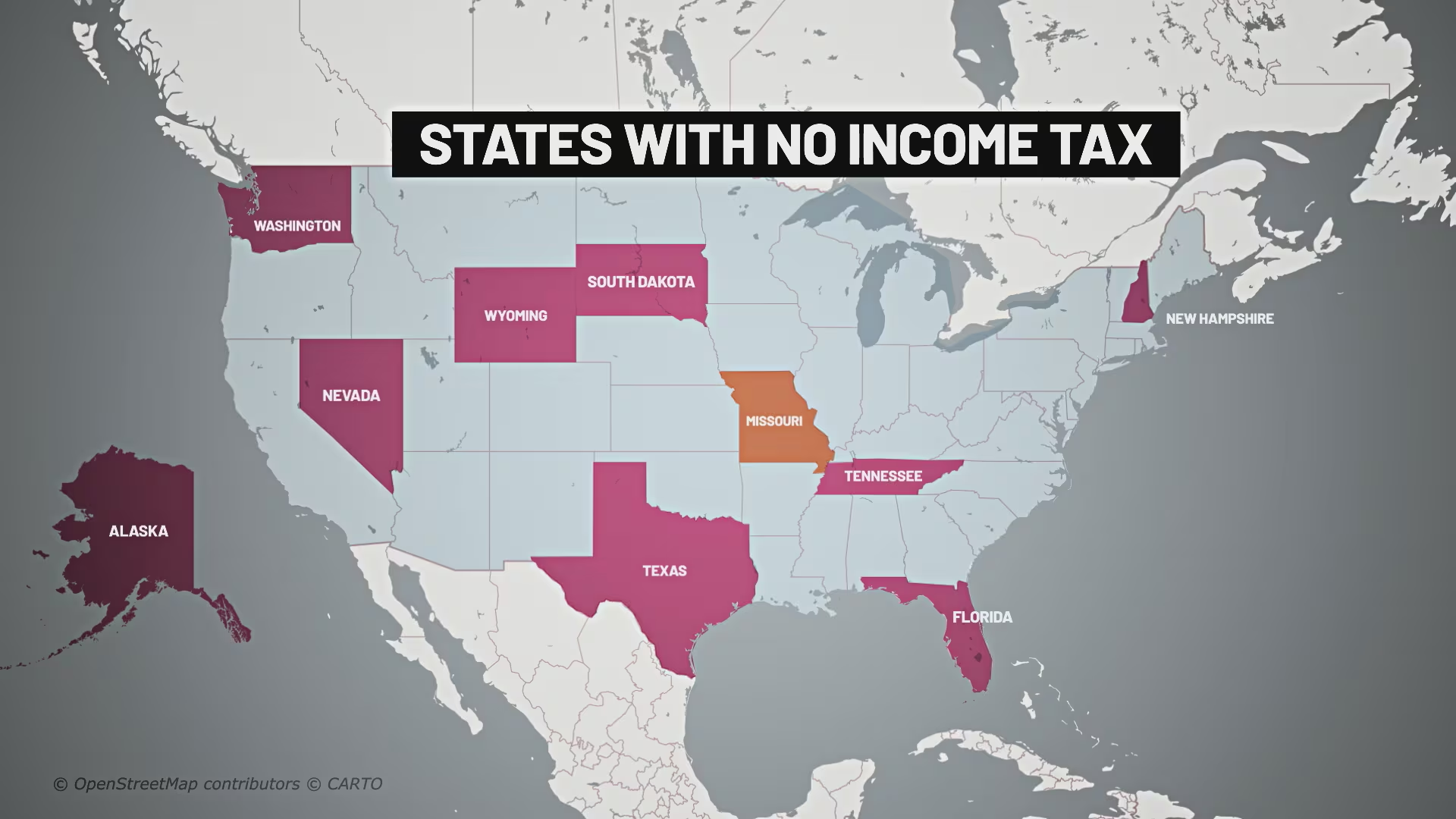
Florida has long been known for its lack of a state income tax, a policy that makes it an attractive destination for individuals and businesses alike. But the latest development in the Sunshine State’s fiscal policies has taken things to a new level. Governor Ron DeSantis and state officials are now working toward eliminating property taxes as well, which could further drive economic growth and make the state a magnet for people looking to relocate.
The absence of a state income tax already puts Florida at an advantage compared to states like California, New York, and New Jersey, where high taxes often force residents to reconsider their living situations. But with property taxes on the horizon for elimination, Florida will become even more appealing for those looking to maximize their wealth and minimize their tax burden.
Florida’s model is not only enticing individuals, but it’s also drawing companies. The state’s tax-friendly policies are prompting businesses to set up shop in Florida, where they can enjoy favorable tax rates while also benefiting from access to a thriving economy and a strong workforce.
A State in Surplus

Florida’s $15 billion surplus has also been a game-changer. While other states are dealing with deficits and budget cuts, Florida has been able to manage its finances effectively, creating a fiscal buffer that sets it apart. This surplus is a testament to the success of Florida’s tax policies, which allow the state to maintain a strong budget while investing in infrastructure, education, and healthcare.
In addition to tax reforms, Florida’s commitment to fiscal responsibility has been key in maintaining its economic stability. The state has focused on cutting wasteful spending and streamlining its operations, allowing it to accumulate surplus funds that can be reinvested in projects that will further boost the state’s economy.
This fiscal success gives Florida the financial flexibility to improve its public services, invest in new technologies, and enhance the quality of life for residents. At the same time, it reduces the state’s reliance on federal funding, giving Florida greater control over its economic future.
The Appeal to New Residents
Florida’s rapid growth is not just about business; it’s also about people. The state has seen a massive influx of new residents in recent years, particularly from high-tax states. People are flocking to Florida for its tax policies, its warm climate, and its affordable living. The state’s population has surged, and with it, the demand for housing, jobs, and services.
This population growth has fueled a housing boom, with new construction projects popping up throughout the state. As more people move to Florida, the real estate market has become one of the most active in the country. The state’s housing market is benefitting from a mix of demand from retirees, young professionals, and businesses seeking to relocate.
Florida’s real estate market is also becoming a top destination for investors. The low taxes and high demand for housing make Florida a prime location for property development, and the growing population ensures that demand will remain high in the coming years.
Economic Growth and Job Creation
The tax policies in Florida are not only attracting people, but they are also fueling job creation. As businesses relocate to Florida or expand their operations, new employment opportunities are created, particularly in the tech, healthcare, and tourism sectors. The state’s low tax rates make it an attractive place for startups and established companies looking to reduce their operational costs.
Florida’s job market has seen significant growth, with the unemployment rate dropping to near-record lows in recent years. The state has also made strategic investments in workforce development, ensuring that its residents are equipped with the skills needed to succeed in the modern economy.
The combination of a low-tax environment, a growing population, and a strong job market makes Florida one of the most competitive states in the nation for both businesses and workers.
The Impact of Zero Property Taxes
The proposal to eliminate property taxes could have a profound impact on Florida’s economic trajectory. Property taxes are a major burden for homeowners, particularly in states with high property values. If Florida succeeds in removing this tax, it would make the state even more attractive for homebuyers and investors, as the cost of owning property would be dramatically reduced.
This policy would also have ripple effects on Florida’s housing market, as the elimination of property taxes would likely spur even more demand for homes in the state. The real estate industry, which has already seen explosive growth, could experience a further boom as more people flock to Florida to take advantage of the tax savings.
The removal of property taxes would also free up funds for homeowners and businesses, allowing them to reinvest in their communities, grow their businesses, and stimulate further economic activity.
What Other States Can Learn
As Florida continues to grow at a rapid pace, other states are taking notice. The state’s success in managing its finances, attracting businesses, and fostering job growth is a model that could be replicated in other parts of the country. States with high taxes and struggling budgets could learn valuable lessons from Florida’s approach, particularly when it comes to creating a favorable tax environment that drives economic growth.
Florida’s model shows that it is possible to maintain a strong economy while reducing the tax burden on individuals and businesses. By eliminating property taxes and maintaining a no-income-tax policy, Florida has created a competitive advantage that has allowed the state to flourish. Other states may follow Florida’s lead in the coming years, as the state continues to prove that low taxes and fiscal responsibility can go hand in hand.
Florida’s Future: A Stronger, Faster-Growing State

Florida’s future looks bright, with continued population growth, an expanding job market, and a thriving economy. The state’s unique tax policies and fiscal management have set it on a path to becoming the fastest-growing state in the U.S. in the coming years. As more people move to Florida, businesses continue to thrive, and the state invests in its infrastructure and services, Florida is well-positioned to remain a leader in economic growth and job creation.
With no state income tax, soon-to-be-zero property taxes, and a $15 billion budget surplus, Florida has become the state to watch. It’s a state that offers opportunities, a high quality of life, and a tax-friendly environment for individuals and businesses alike.
A Model for Growth
Florida’s success in creating a business-friendly, tax-efficient environment has made it one of the most compelling states in the U.S. The state’s decision to eliminate property taxes and maintain a no-income-tax policy has attracted businesses and residents, fueling rapid growth and economic development. Other states should look to Florida’s success as a model for their own economic strategies. By reducing the tax burden and prioritizing fiscal responsibility, Florida has positioned itself as the fastest-growing state in the nation—and a state that others should aim to emulate.