

Table of Contents
A Strategic Shift in Global Oil Transport
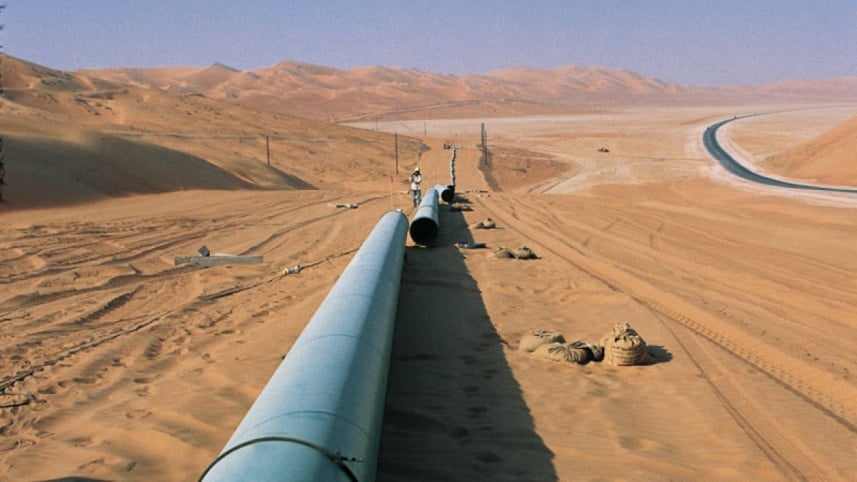
The Strait of Hormuz has long been a key chokepoint for global oil trade, with roughly a fifth of the world’s oil passing through it. However, with rising tensions in the Gulf, particularly between the U.S., Israel, and Iran, the Strait of Hormuz has become increasingly insecure. In response, Saudi Arabia has relied on its East-West pipeline to bypass the strait and ensure the steady flow of its oil to international markets. The pipeline, which runs across the kingdom from its eastern oil fields to the Yanbu port on the Red Sea, has long been a backup option for the country. Now, with its full capacity of 7 million barrels per day, it has become a crucial component of Saudi Arabia’s oil export strategy.
This development is significant not just for Saudi Arabia but for the entire global energy market. The closure of the Strait of Hormuz, either due to military conflict or natural disasters, would have serious ramifications for global oil prices and supply chains. The East-West pipeline, with its capacity to transport oil directly from Saudi Arabia’s oil-rich east to its Red Sea port, provides a reliable alternative route that can mitigate the risks of Hormuz’s vulnerability. This shift could lead to a more secure and stable oil supply, reducing the reliance on vulnerable shipping lanes.
Expanding Oil Exports Through Yanbu
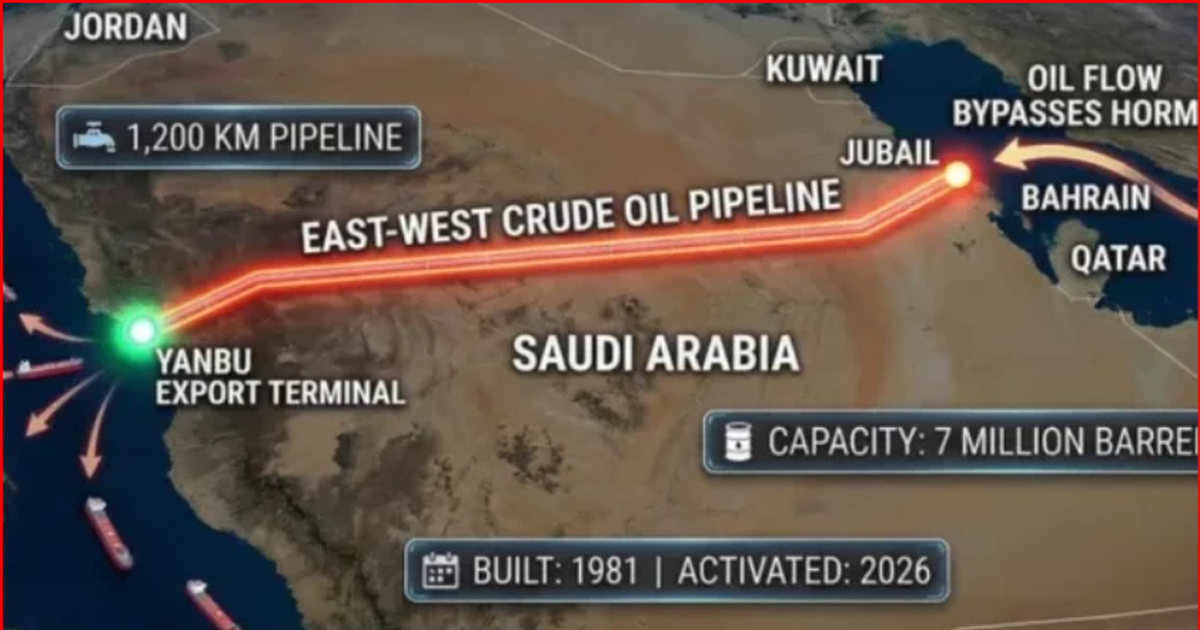
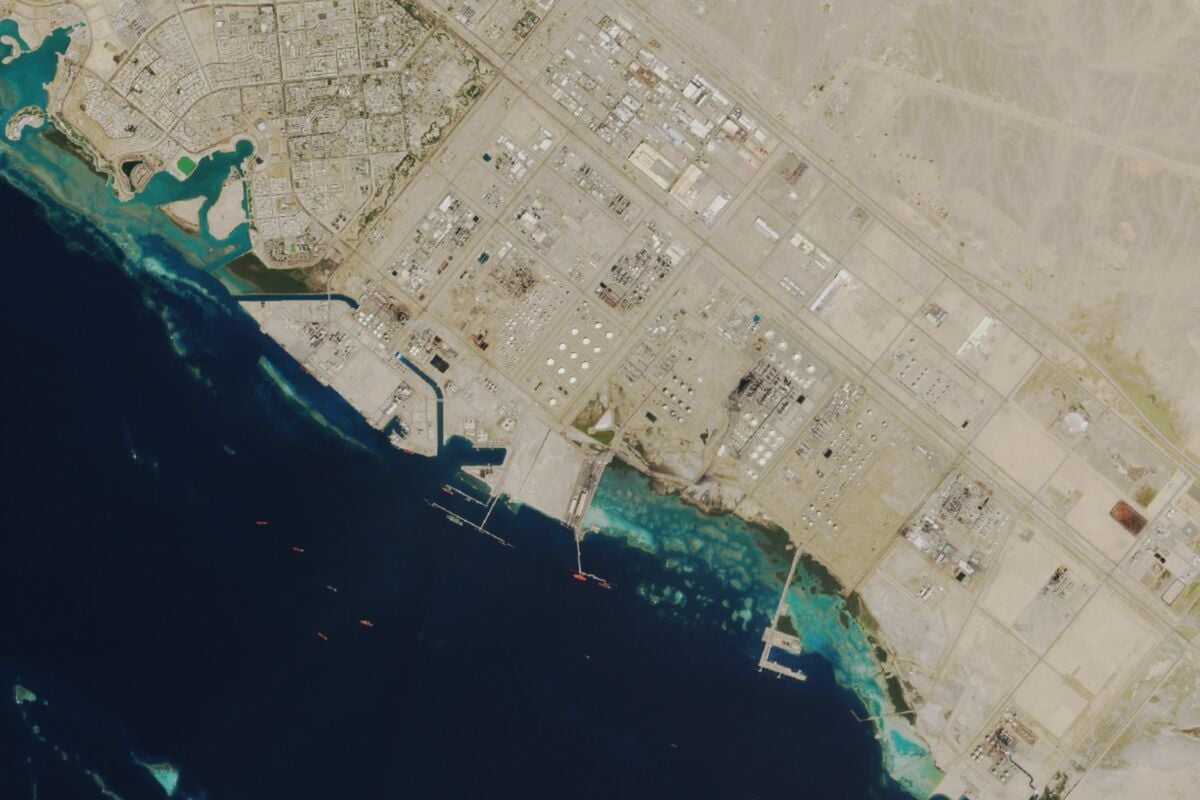
Saudi Arabia’s export capacity has also reached impressive levels, with its crude oil exports from Yanbu port now reaching 5 million barrels per day. In addition to crude oil, the country is exporting approximately 700,000 to 900,000 barrels per day of oil products. This surge in exports comes as the global demand for oil continues to rise, particularly in Asia, where Saudi Arabia is a key supplier. The ability to export such large quantities of oil through the East-West pipeline is expected to further solidify Saudi Arabia’s position as one of the world’s leading oil exporters.
The Yanbu port has become a critical hub for Saudi Arabia’s oil exports, providing access to markets in Europe, Asia, and beyond. By bypassing the Strait of Hormuz, Saudi Arabia has not only secured its oil exports against potential disruptions but has also diversified its transportation options. This diversification is vital for ensuring the country’s long-term oil export strategy, particularly in a world where geopolitical tensions are becoming increasingly unpredictable.
The Impact of Gulf Tensions on Global Energy Markets
The situation in the Gulf has been precarious for some time, with escalating tensions between the U.S. and Israel on one side, and Iran on the other, fueling uncertainty. In recent months, Iran has taken actions that have threatened the free flow of oil through the Strait of Hormuz, including seizing oil tankers and threatening to block the passage of vessels. These actions have disrupted global shipping and caused oil prices to spike, as traders fear further instability in the region.
The conflict has created a ripple effect in global energy markets, driving up the cost of crude oil. In response to these uncertainties, countries that rely heavily on oil imports are increasingly looking for alternative sources of supply. Saudi Arabia’s East-West pipeline is one such alternative, providing a direct route to the Red Sea and reducing the country’s dependency on the Strait of Hormuz. This shift in oil transport strategy is likely to have long-term effects on global oil prices, as it makes oil exports from Saudi Arabia less vulnerable to disruptions in the Gulf.
While the pipeline’s capacity expansion offers a measure of security, it is not without challenges. The pipeline’s full utilization comes at a time when Saudi Arabia is facing pressure to balance its oil exports with its domestic needs, as the country continues to invest in diversifying its economy away from oil dependence. The successful operation of the East-West pipeline will require continued investment in infrastructure and technology to ensure its efficiency and capacity.
Saudi Arabia’s Oil Strategy and the Future of Energy
Saudi Arabia’s energy strategy is evolving in response to changing market conditions and geopolitical risks. The East-West pipeline plays a crucial role in this strategy, offering a more secure and diversified route for oil exports. However, Saudi Arabia is also working to diversify its energy portfolio beyond oil, investing in renewable energy and nuclear power to reduce its dependence on fossil fuels. This shift is part of the kingdom’s Vision 2030 plan, which aims to transform its economy and reduce its reliance on oil revenues.
Despite these efforts, oil remains a cornerstone of Saudi Arabia’s economy. The country’s vast reserves and strong position as a global energy supplier make it an influential player in the global energy market. As long as the world continues to rely on oil, Saudi Arabia will remain a key supplier, and its oil transport infrastructure, including the East-West pipeline, will be critical to maintaining its market dominance.
In the coming years, the role of the East-West pipeline is expected to grow as global demand for oil remains strong, particularly in emerging markets. However, Saudi Arabia must also navigate the challenges of transitioning to a more diversified energy economy while maintaining its position as a leading oil exporter.
Geopolitical Risks and the Future of the Strait of Hormuz
The situation in the Strait of Hormuz remains tense, and its future role as a critical chokepoint for global oil trade is uncertain. While Saudi Arabia’s East-West pipeline offers a viable alternative route for oil transport, the Strait of Hormuz is still one of the most important shipping lanes in the world. Any disruption to the flow of oil through Hormuz would have significant consequences for global oil prices and energy security.
The growing instability in the Gulf region, exacerbated by the ongoing conflict between the U.S., Israel, and Iran, underscores the vulnerability of global oil transport. The possibility of further disruptions in the Strait of Hormuz highlights the need for alternative routes like the East-West pipeline, which can help mitigate the risks posed by geopolitical instability.
Saudi Arabia’s decision to expand the East-West pipeline’s capacity is a clear signal that the kingdom is preparing for the possibility of further disruptions in the Gulf. By diversifying its oil transport routes, Saudi Arabia is ensuring that its oil exports remain secure, even if the Strait of Hormuz becomes impassable.
A New Era for Oil Exports
The expansion of Saudi Arabia’s East-West pipeline marks a turning point in the country’s oil export strategy. With its capacity now fully utilized, the pipeline offers a secure and reliable alternative to the increasingly unstable Strait of Hormuz. As global oil demand continues to rise and geopolitical tensions in the Gulf remain high, the East-West pipeline will play an increasingly important role in ensuring the stability of Saudi Arabia’s oil exports.
The pipeline’s growth is a testament to Saudi Arabia’s ability to adapt to changing market conditions and its commitment to securing its position as a global energy powerhouse. As the country navigates the complexities of the modern energy landscape, the East-West pipeline will remain a crucial asset in Saudi Arabia’s quest to maintain its influence in the global oil market.