
Table of Contents
- A Legacy of Growth and Transformation
- Transitioning Power to John Ternus
- The Role of Cook as Executive Chairman
- Cook’s Remarkable Legacy at Apple
- AI: The Future of Apple’s Strategy
- Ternus’s Vision for Apple’s Future
- The End of an Era: How Will Cook Be Remembered?
- The AI Challenge and Apple’s Slow Start
- The Impact on Apple’s Culture
- What’s Next for Apple and Its Stockholders?
A Legacy of Growth and Transformation
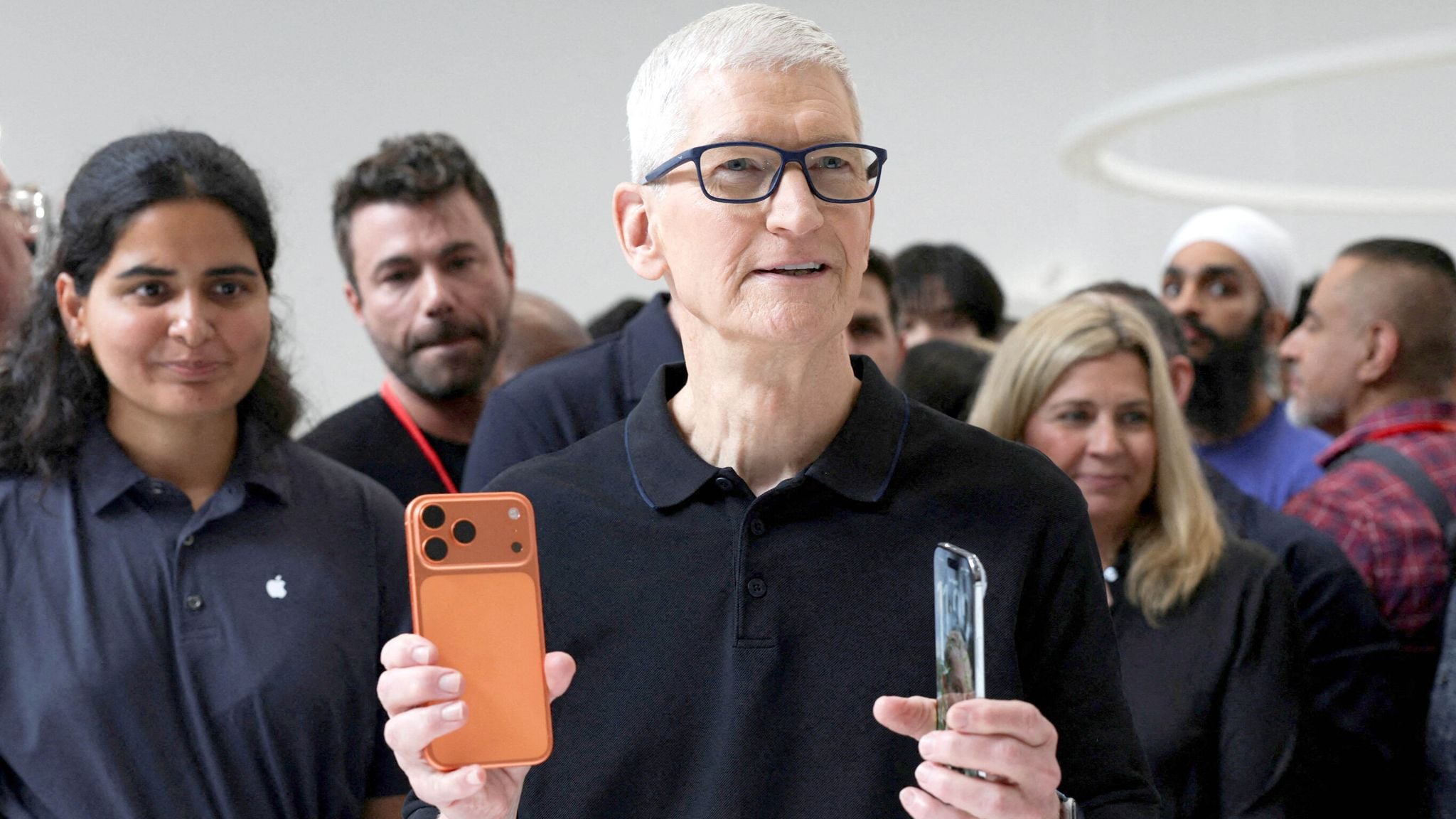
When Tim Cook took over as Apple’s CEO in 2011, he inherited a company teetering between the end of Steve Jobs’s era and a new era in tech innovation. Under his leadership, Apple’s market value skyrocketed, transforming from a company valued at $350 billion to over $3.6 trillion today. While Jobs’s innovations like the iPhone and Mac were central to Apple’s rise, Cook steered the company into new realms, making strategic acquisitions and refining operations, particularly in manufacturing and supply chains.
Transitioning Power to John Ternus
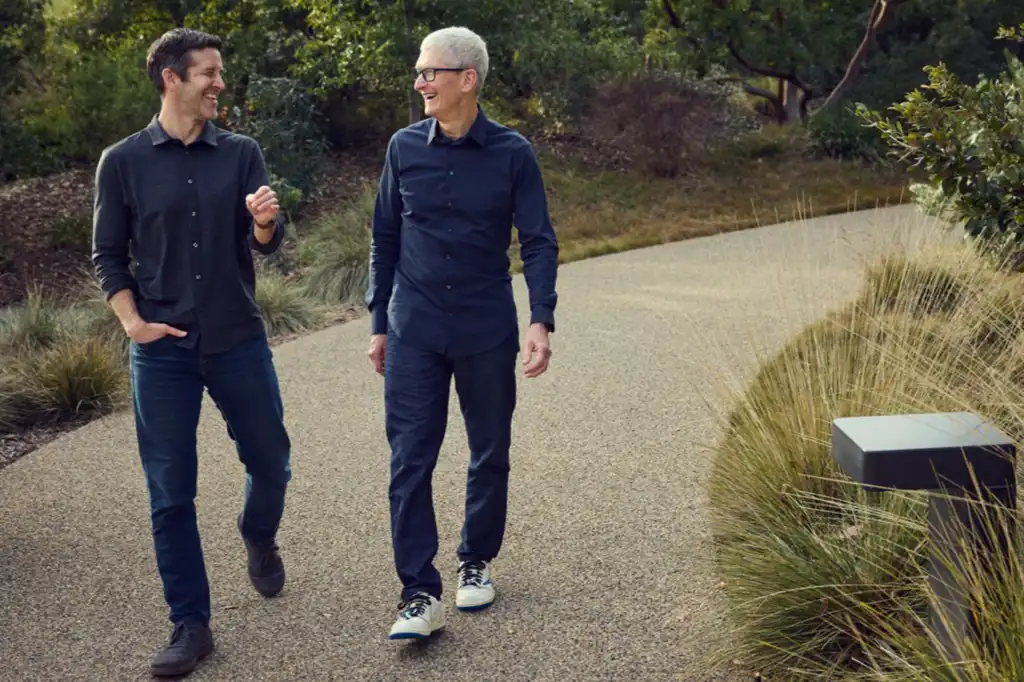
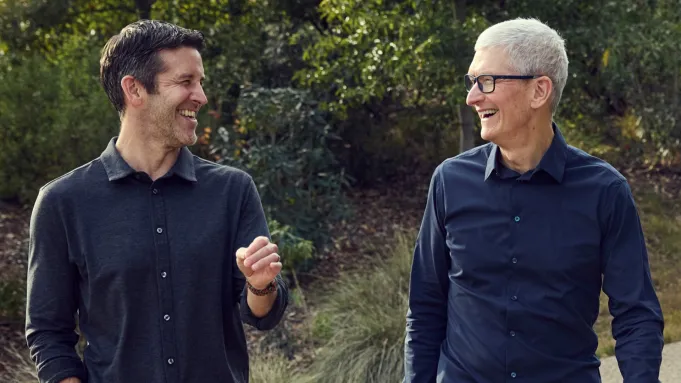
On September 1, 2026, John Ternus, the current head of hardware engineering, will succeed Tim Cook as CEO. Ternus, who has been with Apple for 25 years, was pivotal in the development of flagship products like the iPhone, iPad, and Mac. His deep understanding of Apple’s core products and their engineering underpinnings makes him a natural successor as the company enters the next phase of its evolution, particularly with a focus on artificial intelligence (AI). Cook’s decision to hand over the reins at this pivotal moment highlights his confidence in Ternus’s leadership and his ability to navigate the complexities of AI.
The Role of Cook as Executive Chairman
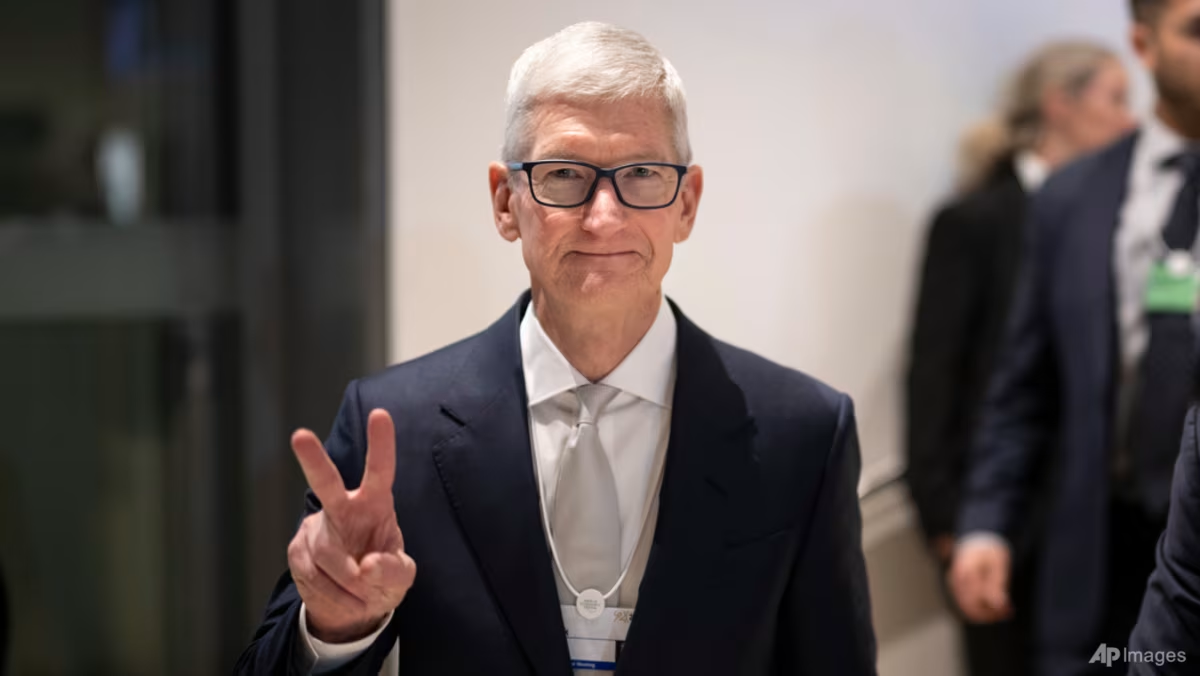
Though stepping down as CEO, Tim Cook will remain at Apple in the role of executive chairman, maintaining an advisory presence. This transition mirrors similar moves by other tech giants, such as Amazon’s Jeff Bezos and Netflix’s Reed Hastings, who also shifted to non-executive roles after their CEO tenures. Cook’s continued involvement will ensure that Apple’s core values and mission remain intact as Ternus takes over the operational leadership.
Cook’s Remarkable Legacy at Apple
Tim Cook’s legacy is tied to Apple’s incredible rise, with the company becoming the first publicly traded entity to be valued at $1 trillion, $2 trillion, and eventually $3 trillion. Cook’s leadership didn’t just rest on continuing Jobs’s work—it involved navigating complex international politics, especially in China, where Apple’s supply chain thrives. Cook’s mastery of global supply chain management and political diplomacy played a crucial role in ensuring Apple’s ongoing growth during tumultuous trade wars and shifting geopolitical landscapes.
AI: The Future of Apple’s Strategy
The timing of Cook’s departure is no coincidence. As Apple faces increasing competition in the realm of artificial intelligence (AI), the company must adapt its strategy to stay ahead. While Cook oversaw the launch of innovative products such as the Apple Watch and AirPods, the AI sector remains an area where Apple has been slow to make a significant impact. This shift in leadership signals Apple’s readiness to tackle AI head-on, with Ternus leading the charge on integrating AI into Apple’s ecosystem. Apple’s partnership with Google to enhance Siri’s conversational abilities is a testament to the company’s drive to catch up in this crucial area.
Ternus’s Vision for Apple’s Future

John Ternus, at 50 years old, has long been seen as a key player in Apple’s hardware engineering team. His appointment as CEO will likely emphasize a focus on innovation, particularly in AI, augmented reality, and the next generation of hardware. Ternus’s deep knowledge of Apple’s product line, coupled with his technical expertise, positions him as an ideal leader to steer Apple through its next chapter. Analysts predict that under Ternus, Apple will double down on its efforts to lead in both consumer hardware and software that integrates AI more seamlessly.
The End of an Era: How Will Cook Be Remembered?
Tim Cook’s legacy will be remembered not just for Apple’s financial success but for the way he positioned the company as a pillar of innovation in the tech world. His leadership transformed Apple into a highly profitable, diversified company with a clear vision of expanding beyond traditional products. While the company faced some struggles with AI, Cook’s ability to adapt to industry changes and global shifts solidified his place in history as one of the most influential CEOs of the 21st century.
The AI Challenge and Apple’s Slow Start
Apple has found itself lagging in the AI race, especially when compared to companies like Google and Nvidia, which have capitalized on AI to achieve massive growth. Apple’s recent struggles with AI include its attempt to create a conversational version of Siri, which has not yet met expectations. Ternus will inherit a company that has made some early missteps in AI, but his engineering background may provide the insight necessary to accelerate Apple’s AI ambitions. Moving forward, Ternus will need to lead Apple through a highly competitive AI landscape to ensure its future relevance.
The Impact on Apple’s Culture
Apple’s corporate culture, which emphasizes creativity, design, and innovation, is one of the company’s defining characteristics. Tim Cook’s departure as CEO may bring some changes in how Apple operates, but Ternus is expected to uphold these core values. The company’s focus on design-driven innovation and high-quality products will likely remain central to its mission, even as it transitions into the AI-driven future.
What’s Next for Apple and Its Stockholders?
As Apple navigates the transition to a new CEO, the future looks uncertain, especially in the face of growing competition and technological challenges. Apple’s financial health is strong, with $416 billion in annual revenue, but it will need to innovate rapidly to maintain its market dominance. Stockholders and industry experts will be watching closely to see how Ternus navigates the complexities of AI and what the next chapter holds for one of the most successful companies in history.