
Table of Contents
- When a church leadership issue suddenly became a national scandal
- The facts that triggered the suspension
- Why Little Saint James changes the meaning of the story
- Remington’s defense and the limits of that argument
- The church says the deeper issue may include false reporting
- Why the church responded with suspension rather than immediate removal
- The story has reopened painful questions about church oversight
- The scandal is about morality, but also about timing
- What this may mean for Remington and for the church
- A scandal that reveals how quickly trust can collapse
When a church leadership issue suddenly became a national scandal
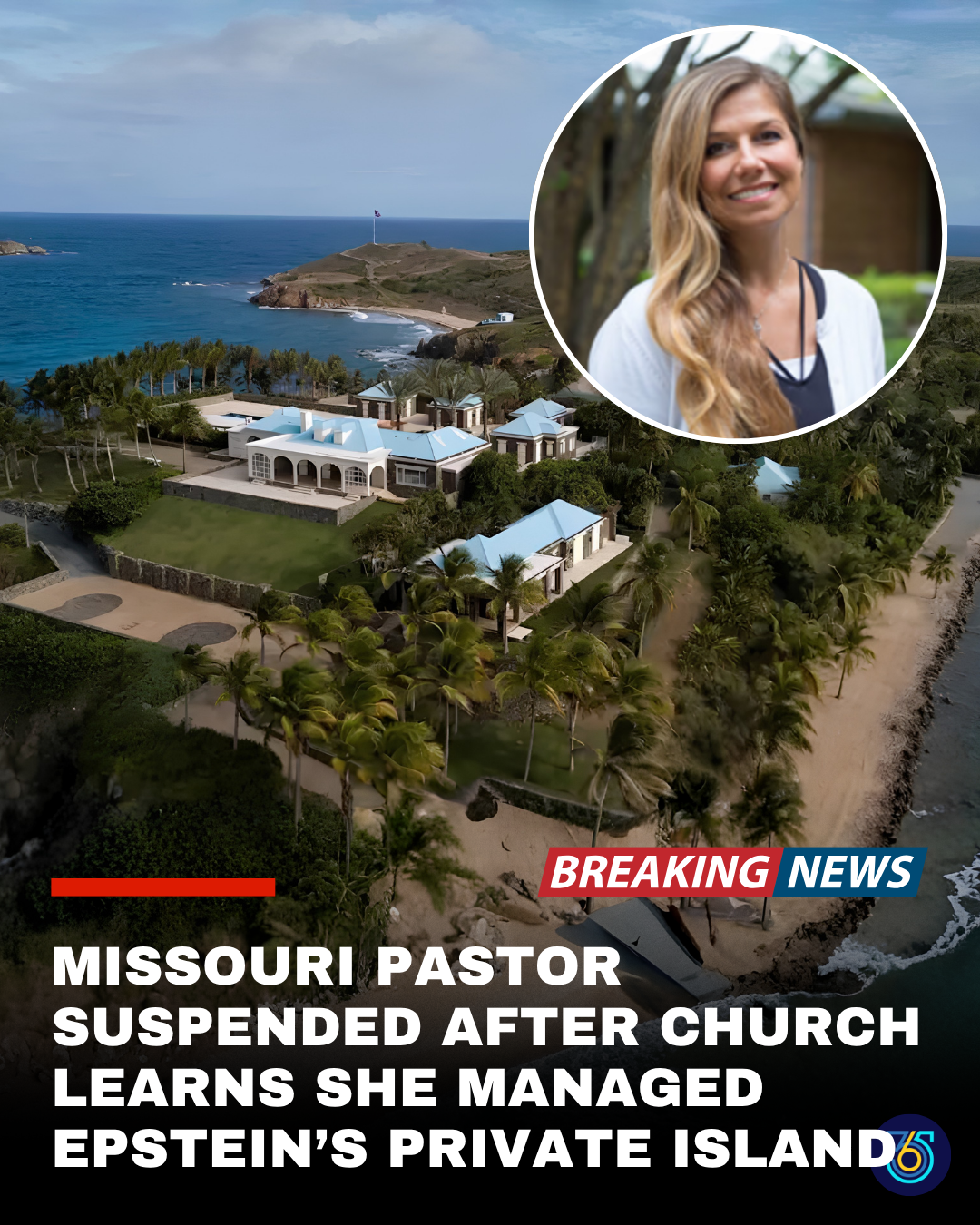
When news broke that a Missouri pastor had been suspended after church leaders discovered she once worked for Jeffrey Epstein and briefly managed his private island, the story spread far beyond the state’s religious community. It was not just the name Jeffrey Epstein that made the revelation so explosive, though that alone would have been enough to guarantee national attention. It was also the unsettling mix of ministry, secrecy, and institutional trust. A pastor, a figure expected to embody spiritual and moral responsibility, was now being linked to one of the most infamous sex offenders in recent American history. Even without criminal charges against her, the revelation was enough to trigger suspension, internal review, and a fresh round of questions about who knew what, when they knew it, and how such a connection could remain hidden for so long.
At the center of the controversy is Rev. Stephanie L. Remington, a minister connected to the Missouri Conference of The United Methodist Church. Church officials placed her on temporary leave after learning she had worked as Epstein’s administrative assistant and temporary property manager on Little Saint James, his private island in the U.S. Virgin Islands, from August 2018 to May 2019. That period, now being scrutinized intensely, came just months before Epstein’s 2019 arrest on federal sex trafficking charges. The closeness of that timeline has made the case especially difficult for church leaders to contain. Even if Remington herself has not been accused of a crime, the association is so serious, and so morally loaded, that it has instantly become a test of institutional credibility.
The facts that triggered the suspension
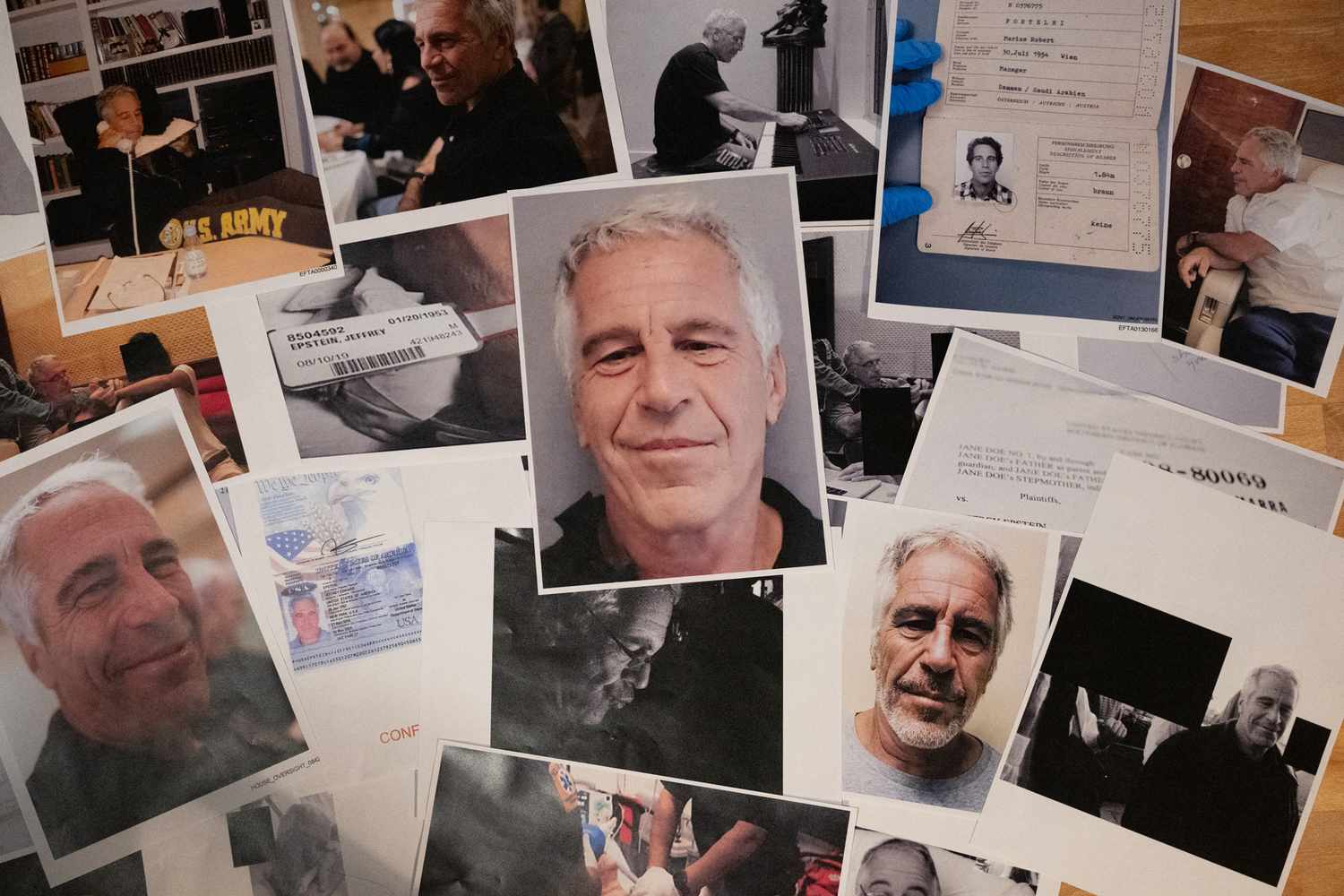
The church’s decision to suspend Remington appears to have turned on two overlapping issues. The first is her admitted employment history with Epstein. According to the reporting, Remington acknowledged that she served as Epstein’s administrative assistant and temporary manager of Little Saint James for about nine months. She has reportedly said that during that time she never witnessed abuse or criminal conduct and that Epstein had already served time for previous crimes before she took the position.
That explanation has not prevented fallout. The key point for church authorities was not simply whether she personally witnessed abuse, but whether the relationship itself should have been disclosed and whether a minister should have taken such employment at all, especially while knowing Epstein was already a registered sex offender. That question is moral as much as administrative. In religious institutions, trust often turns not only on criminal guilt, but on judgment. Leaders are expected to show discernment about the company they keep and the roles they accept. In that sense, even the absence of criminal charges does not protect someone from a deeper crisis of confidence.
The second issue is what church officials say they did not know. The Missouri Conference stated that it had no knowledge of Remington’s association with Epstein and said no such connection was disclosed through annual paperwork. That alone would have been enough to create a problem. But the matter became more serious when early review reportedly suggested that Remington may also have submitted inaccurate information about the ministry setting in which she claimed to be serving during the same period.
Why Little Saint James changes the meaning of the story
It would be impossible to understand the reaction to this case without understanding what Little Saint James represents in the public imagination. Jeffrey Epstein’s island was not just another property. It became one of the most recognizable symbols of wealth, secrecy, sexual abuse, and elite impunity. Long after Epstein’s death, Little Saint James remained shorthand for a hidden world many people believe operated behind the protective shield of money and status.
That is why managing the island matters so much. The phrase alone carries an enormous emotional weight. Even if a person claims to have handled only administrative or logistical duties, the very act of working in that environment invites suspicion, scrutiny, and moral judgment. It places the person inside one of the most scandal-stained spaces in recent public memory.
For a pastor, the symbolic damage is even more severe. Religious leaders are entrusted with people’s confessions, grief, vulnerability, and ethical guidance. They are expected to stand apart from corrupt power, not orbit it. So when a church learns that one of its clergy once worked on the private island of Jeffrey Epstein, the problem is not merely reputational. It cuts into the heart of what ministry is supposed to mean.
Remington’s defense and the limits of that argument

Remington has reportedly insisted that she never saw Epstein or anyone else commit abuse on the island. She has also said she knew him only in the final months of his life, after he had already served jail time for prior crimes. On one level, this is a straightforward defense. It separates her from direct participation and argues that she was not a witness to wrongdoing.
But in a case like this, that defense has limits. The question many people immediately ask is not only whether she saw abuse, but why she accepted the job at all. Epstein was not an unknown employer with a hidden past. By 2018, he was already publicly notorious. That means any decision to work for him came with at least some awareness of his history. Even if Remington believed she was stepping into a lawful and administrative role, critics will argue that the moral problem was visible from the beginning.
There is also the issue of proximity. Administrative assistants and property managers are not peripheral strangers. They help run systems, organize spaces, and manage operations. Even if such work is not criminal, it can still appear to many observers as practical service to a man whose name was already bound to sexual exploitation. That is what makes public sympathy in this case hard to sustain. The argument “I never saw anything” may address direct guilt, but it does not settle the larger question of judgment.
The church says the deeper issue may include false reporting
The Missouri Conference’s public explanation suggests that the suspension was not caused by the Epstein link alone. Church officials said Remington claimed in annual paperwork that she had performed extension ministry through the Lewis Center for Church Leadership at Wesley Theological Seminary during the period in question, and in later years as well. But early review reportedly showed that she had not worked for the seminary across all the years she claimed, having instead served only as a part-time contractor in 2017 and 2018.
This part of the story may prove just as important as the Epstein employment itself. Churches and religious conferences depend heavily on self-reporting, trust, and annual disclosures to track where clergy are serving, under what authority, and in what kinds of ministry roles. If a minister misrepresents that information, the issue becomes institutional as well as moral. It suggests not just a lapse in judgment, but an active failure of candor.
In many organizations, especially religious ones, concealment can become more damaging than the original fact being concealed. People can sometimes forgive a difficult chapter in someone’s past if it is openly acknowledged and responsibly explained. What is harder to forgive is the sense that leaders had to discover the truth on their own, long after the relevant decisions were made. That is why the alleged discrepancy in paperwork has become so central. It shifts the issue from “what happened in 2018 and 2019” to “what was said afterward, and why.”
Why the church responded with suspension rather than immediate removal

The fact that Remington was suspended rather than permanently removed is also significant. Temporary leave, in this context, signals that the church is treating the matter as grave enough to require immediate separation from active ministry, but not yet fully adjudicated. She has reportedly been placed on leave for 90 days pending a review by the episcopal office.
That kind of response reflects a familiar tension in institutional crises. On one hand, the organization needs to act quickly to protect its integrity and reassure members that it is taking the issue seriously. On the other hand, it may be reluctant to issue final judgment before completing an internal review, especially when no criminal charges have been filed. Suspension becomes a kind of middle path. It is serious, public, and disruptive, but not yet absolute.
Still, even temporary suspension carries its own message. It tells congregants and the broader public that the allegations and undisclosed history are significant enough that ordinary ministry cannot continue while the matter is examined. That alone is a major blow to any religious leader’s standing. In practical terms, many people will treat the suspension as evidence that trust has already been badly damaged, even if the formal process is still underway.
The story has reopened painful questions about church oversight
Cases like this also revive a broader issue that religious institutions have been struggling with for years: how much do they really know about the backgrounds and outside activities of those who serve under their authority? Churches often rely on paperwork, references, and internal reporting systems. But when a case like this surfaces, it exposes how fragile those systems can be.
The Missouri Conference has made clear that it was not told about the Epstein connection and said neither the bishop nor district superintendent were contacted about Remington’s acceptance of the position. That explanation may well be accurate. But for many observers, it also raises an uncomfortable follow-up question. If a clergy member can work for Jeffrey Epstein, manage Little Saint James, and still remain within church structures without that being known, what does that say about institutional oversight?
This is why the case matters beyond one pastor. It touches a deeper anxiety many people already feel about institutions, especially moral or spiritual ones. They want to believe those institutions know their leaders, vet them carefully, and intervene when boundaries are crossed. Stories like this weaken that confidence, even when the institution eventually responds.
The scandal is about morality, but also about timing
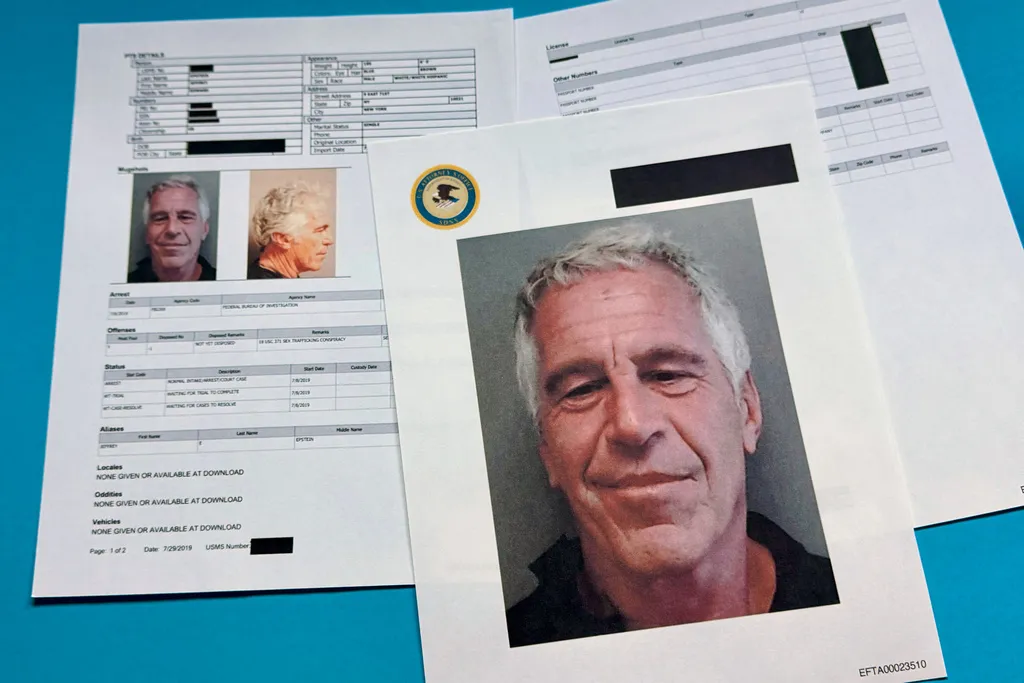
Another reason the story has hit so hard is the timing. Epstein was arrested in July 2019, just two months after Remington’s reported employment ended. That narrow gap makes the whole episode feel even more alarming. It means this was not ancient history from a less informed era. It was a role accepted in the final stage of Epstein’s public life, after prior conviction, and just before the criminal collapse that would define his name permanently.
Timing shapes moral interpretation. Had the work occurred decades earlier, before public exposure, the public might process it differently. But this happened late, close to the arrest, close to the final scandal, and close enough that many people will find it hard to separate the role from the larger crimes. In reputational terms, that proximity is devastating.
It also creates the sense that church leaders are now dealing not with a remote youthful mistake, but with a relatively recent, adult decision made under circumstances where the basic moral danger was already visible.
What this may mean for Remington and for the church
At this stage, much remains unresolved. Remington has not been accused of criminal wrongdoing. The review is still underway. It is possible that the church will eventually distinguish between unethical judgment, administrative nondisclosure, and any stronger claim. But even if the process ends without criminal findings or permanent removal, it is difficult to imagine the damage fully disappearing.
For Remington personally, the burden is not only legal but vocational. Ministry depends on trust, and trust once broken is not easily restored. For the church, the challenge is different. It must show that it did not know, explain how it is investigating, and persuade members that the oversight system can still be trusted.
That is a difficult balance. Act too softly, and the church appears morally compromised. Act too harshly too quickly, and it risks being seen as rushing judgment before the review is complete. Institutions under pressure often struggle precisely because they are trying to manage both truth and optics at once.
A scandal that reveals how quickly trust can collapse
In the end, this story is not only about a pastor and Jeffrey Epstein. It is about how fast trust can collapse when moral authority collides with hidden history. A church leader’s past employment, once exposed, has now destabilized not only her own position but the confidence people place in the structures around her. The facts still under review may determine the formal outcome, but the deeper damage is already visible.
People do not expect pastors to be perfect. But they do expect them to exercise judgment that reflects the values they preach. Working for a convicted sex offender. Managing the island tied to his crimes. Failing to disclose that history clearly. These are not ordinary lapses. They strike at the core of what religious credibility is supposed to be.
That is why this story has lingered. It is not merely sensational. It forces a much more unsettling question: if a person called to spiritual leadership could move through a chapter like this without it being known, what else can institutions fail to see until it is too late?