

Table of Contents
- When a local school dispute turned into a national culture war battle
- The dispute began with a school policy and one teacher’s objection
- For years, the courts mostly backed the school district
- The settlement reflects legal risk as much as ideology
- The case sits at the crossroads of two powerful civil rights claims
- Supporters of the settlement say it protects conscience rights in schools
- Critics see the case very differently and worry about the message to transgender students
- The bigger impact may be on future school policy, not just this one district
- A costly settlement that settles little in the larger debate
When a local school dispute turned into a national culture war battle
When news broke that an Indiana school district would pay $650,000 to settle a lawsuit with a former teacher who refused to use transgender students’ preferred names and pronouns, the case instantly became bigger than Brownsburg, bigger than one school board, and bigger than one teacher’s resignation. It became the latest flashpoint in a deepening national argument over how public schools should balance religious liberty, anti-discrimination protections, student dignity, and the authority of educators in the classroom. Brownsburg Community School Corporation agreed to settle with former music teacher John Kluge after years of litigation, with the Alliance Defending Freedom saying the district would also train senior staff on Title VII religious discrimination protections. Brownsburg itself said it settled for financial reasons while maintaining it had prevailed on most of Kluge’s claims and had not violated his rights.
That split in interpretation is exactly why the case now matters so much. To supporters of Kluge, the settlement is proof that schools cannot force teachers to violate sincerely held religious beliefs. To supporters of the district’s policy, the outcome is less a moral vindication than a practical decision to stop expensive litigation after years of legal uncertainty. The same event is being read in two almost opposite ways, which is often the clearest sign that a story has moved beyond the courtroom and into the center of America’s culture war.
The dispute began with a school policy and one teacher’s objection

The conflict traces back to Brownsburg High School in 2017. According to court summaries and reporting from Indiana public media, the district required teachers to use students’ preferred names listed in the school system, including for transgender students. John Kluge, an orchestra and music teacher hired in 2014, told administrators he had a religious objection to using names and pronouns that did not align with a student’s biological sex. The school initially allowed him a limited accommodation. He could address students by their last names rather than first names and was relieved of at least some situations that would require gender-specific language.
At first glance, that sounds like the sort of compromise schools often try to make in sensitive cases. But the accommodation quickly became a source of friction. Courts later found that the arrangement made some transgender students feel singled out, harmed, and dehumanized, while also causing tension in the learning environment. That finding became a central pillar of the district’s defense. Brownsburg argued it had tried to respect Kluge’s beliefs, but the compromise itself produced negative consequences for students and school climate.
In 2018, the district reaffirmed its policy that staff were expected to use transgender students’ preferred names and pronouns. Kluge said he was then effectively given three choices: comply, resign, or be fired. He submitted a resignation, later tried to rescind it, and the school board accepted it anyway. That sequence set the stage for a lawsuit that would last nearly seven years and become a nationally watched legal fight over religious accommodation in public schools.
For years, the courts mostly backed the school district
One reason the settlement has generated so much debate is that Brownsburg had already won major rulings before agreeing to pay. In 2021, a federal judge ruled in favor of the district, finding that Kluge had not been coerced into resigning and that the school could not accommodate his religious beliefs without incurring undue hardship. In 2023, the Seventh Circuit Court of Appeals largely upheld that reasoning, agreeing that the district’s attempted accommodation had led students to feel targeted and disrespected and had disrupted the school environment.
Those rulings are important because they show this was not a straightforward case of a teacher clearly mistreated by an employer. For years, the legal system largely sided with the district’s judgment that student welfare and classroom functioning outweighed the specific accommodation Kluge sought. Brownsburg leaned heavily on that history in its own public statement after the settlement, saying that multiple federal judges had ruled in its favor and that the district had prevailed on most of Kluge’s claims.
But the story did not end there. A major shift came after the U.S. Supreme Court’s 2023 decision in Groff v. DeJoy, which raised the bar employers must meet when denying religious accommodations under Title VII. That ruling changed the legal landscape across employment law and reopened possibilities in cases that previously looked weaker for religious objectors. In August 2025, the Seventh Circuit allowed Kluge’s Title VII claim to proceed toward trial in light of the Supreme Court’s updated standard. That move dramatically changed the leverage in the case.
The settlement reflects legal risk as much as ideology
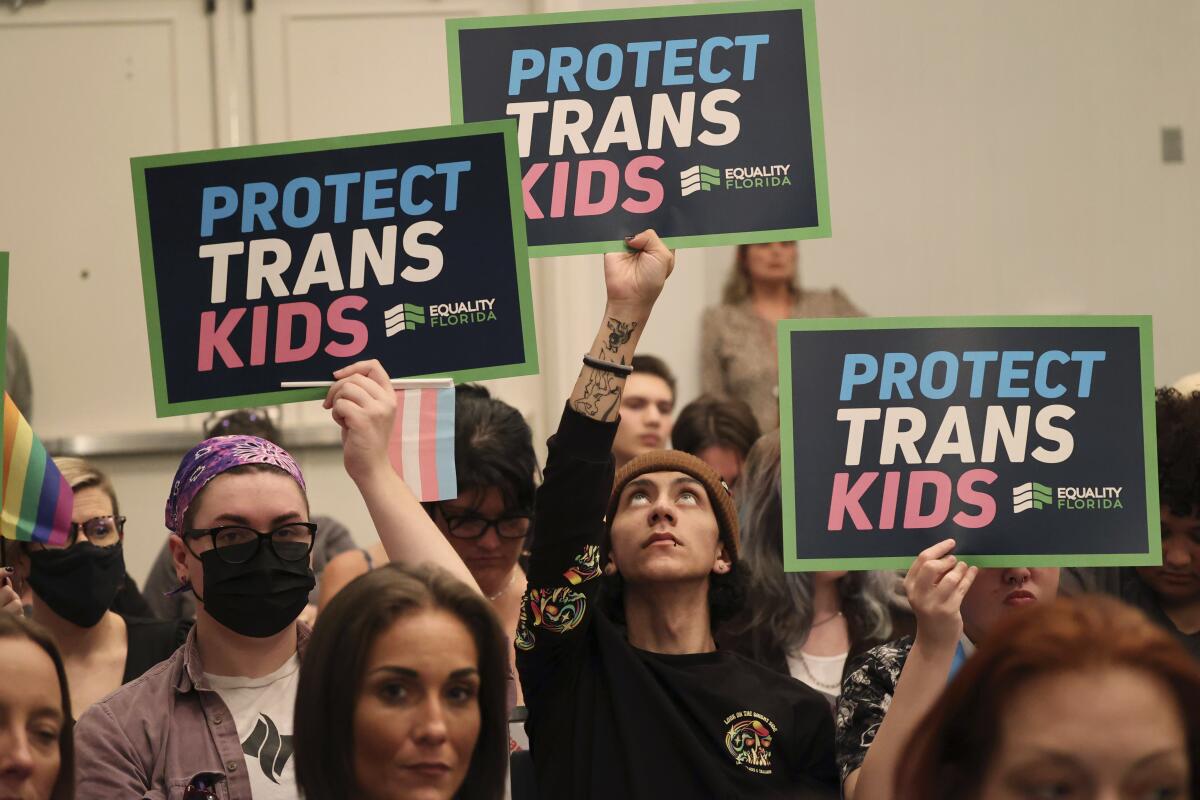
Once the case was headed toward a jury trial under a more religious-accommodation-friendly legal framework, Brownsburg faced a new calculation. Keep litigating and risk a costly verdict, or settle while still insisting the district had acted lawfully. That is exactly what appears to have happened. Public statements from both sides make clear that the agreement was not framed as an admission of wrongdoing by the district. Instead, Brownsburg said settlement was in the best interest of its financial situation, especially after the Title VII claim survived and trial approached.
That distinction matters. A settlement is not the same as a court ruling declaring one side right. Yet politically, settlements often function like symbolic wins, especially in ideologically charged cases. Alliance Defending Freedom immediately presented the result as proof that “common sense has prevailed” and that schools should learn refusing to accommodate religious employees can be illegal and expensive. Brownsburg responded by restating that it believed Kluge’s free speech and free exercise rights were not infringed.
This is why both camps can claim victory. Kluge’s side gets money, policy-related training, and a public narrative of vindication. The district gets to avoid trial while still saying the law and the facts mostly favored its position. In practical terms, both sides escaped a final all-or-nothing judgment. In political terms, both sides gained material they can use in the broader national argument.
The case sits at the crossroads of two powerful civil rights claims
What makes this dispute especially difficult is that it was never just about one principle. It brought two powerful moral and legal claims into direct conflict. On one side was Kluge’s asserted right, under Title VII, to receive accommodation for sincerely held religious beliefs. On the other side were transgender students’ interests in being treated with equal dignity in school and not being singled out by a teacher in front of peers. The district and the courts that initially sided with it emphasized the second point strongly, saying the accommodation harmed students and disrupted the classroom. Kluge’s supporters emphasized the first, saying he asked only for a modest accommodation and was driven out for refusing ideological conformity.
That collision is what makes public school cases like this so volatile. Public schools are not private religious institutions, but they are also workplaces where employees retain civil rights protections. They also serve students who increasingly expect schools to affirm their identities and protect them from exclusion. When those expectations collide, there is rarely a solution that feels fully satisfying to everyone involved. Any accommodation that protects the teacher may feel like injury to students. Any policy that fully protects students may feel like compelled speech to the teacher.
This is why the case has resonated so far beyond Indiana. It touches one of the most sensitive unresolved questions in American public life: when deeply held views about sex, gender, and identity collide inside a state institution, whose claim gets priority and on what terms?
Supporters of the settlement say it protects conscience rights in schools
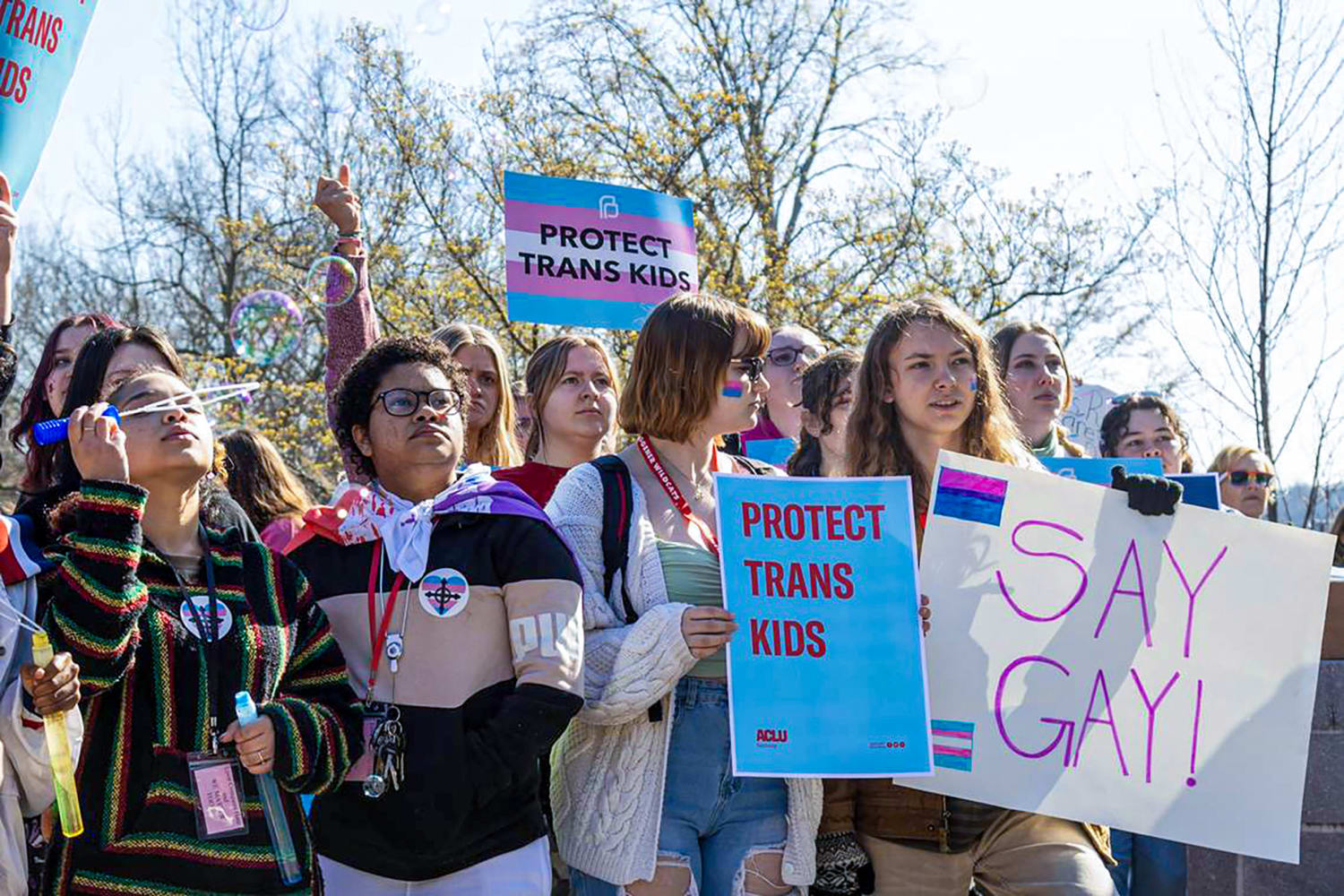
For religious liberty advocates, the Brownsburg settlement is a warning shot to school districts nationwide. Alliance Defending Freedom has made that clear, arguing that schools cannot force employees to choose between their faith and their jobs. The training provision in the settlement, requiring Brownsburg to train senior staff on Title VII religious discrimination protections, gives that message additional symbolic force. It suggests the district must now formally revisit how it handles religious objections in the workplace.
Supporters of Kluge’s position also emphasize the nature of the accommodation he requested. They argue he was not seeking to harass students or make political statements in class, but simply to address all students by last names, much like a coach might, as a neutral workaround. In their telling, the district initially accepted that arrangement and then abandoned it after complaints, effectively choosing ideology over pluralism. That framing is powerful because it presents the issue not as active mistreatment of students, but as punishment of religious neutrality.
This argument is likely to gain traction in conservative legal and political circles because it fits a larger narrative already dominant there: that institutions increasingly impose orthodoxy on gender-related questions and leave little room for dissent grounded in religion.
Critics see the case very differently and worry about the message to transgender students
But critics of Kluge’s stance argue the “neutrality” argument hides what students actually experienced. Courts reviewing the case described evidence that some transgender students felt specifically targeted by the last-name-only practice because it emerged precisely when they sought to be addressed differently from the names tied to their birth sex. From that perspective, the accommodation was not neutral at all. It was a visible workaround that marked certain students as a problem to be managed.
That concern goes beyond legal theory. In real classrooms, the emotional and social atmosphere matters. Students are highly sensitive to difference, and small acts of distinction can carry outsized meaning. Critics argue that when a teacher refuses to use a transgender student’s preferred name, even indirectly, the student may hear not conscientious objection but rejection. In a high school environment, where belonging and dignity are already fragile, that can shape mental health, participation, and the broader culture of the room.
This is why many LGBTQ advocates view settlements like this with alarm. They worry that schools will become more hesitant to defend inclusive policies if legal exposure becomes too expensive. They also worry about the signal sent to transgender students: that the adults responsible for their education may be permitted to withhold ordinary forms of recognition in the name of conscience.
The bigger impact may be on future school policy, not just this one district

The Brownsburg settlement is likely to matter most in what happens next. Other districts, especially in conservative states or politically divided communities, will study it closely. Some may decide they need stronger documentation if they deny religious accommodations. Others may revise internal training, mediation procedures, or policy language to reduce litigation risk. Still others may become more cautious about enforcing pronoun policies if they fear expensive lawsuits.
The impact could also be broader because the legal ground under these disputes has shifted. After Groff v. DeJoy, employers need more than relatively minor inconvenience to show undue hardship under Title VII. That means cases involving schools, pronouns, uniforms, schedules, and other religion-related disputes may all be litigated under a tougher standard for employers. Brownsburg settled after that changed legal environment made a jury trial riskier. Other districts may reach the same conclusion earlier and quietly alter policy before cases ever reach court.
At the same time, schools remain bound by obligations to protect students from discriminatory treatment and hostile educational environments. That means future litigation is unlikely to get simpler. If anything, the Brownsburg case shows how much more contested this area of law may become.
A costly settlement that settles little in the larger debate
In practical terms, the case is over. Brownsburg will pay $650,000, train senior staff, and move on. John Kluge will receive the settlement and his supporters will frame the result as vindication. Yet in the larger cultural sense, almost nothing is settled. The same core questions remain. Can public schools require teachers to use students’ preferred names and pronouns? How far must schools go to accommodate religious objections? When does accommodation become harm to students? And who decides what counts as unacceptable hardship in a classroom?
That is why this Indiana case matters. It is not just a local dispute that became expensive. It is a preview of the legal and moral collisions likely to keep coming as American institutions try to navigate gender identity, religious liberty, and public education at the same time. Brownsburg settled one lawsuit, but the country has not settled the argument that produced it.