
Table of Contents
- A sudden claim that could reshape a war already on edge
- Trump’s statement and the message behind it
- Tehran pushes back and calls the claim false
- The role of narrative in modern conflict
- Who is involved and why that matters
- The history of US and Iran communication
- Why timing is critical in a 25 day conflict
- What happens if the narratives continue to clash
- The broader implications for diplomacy and credibility
- A fragile moment where words may shape what comes next
A sudden claim that could reshape a war already on edge
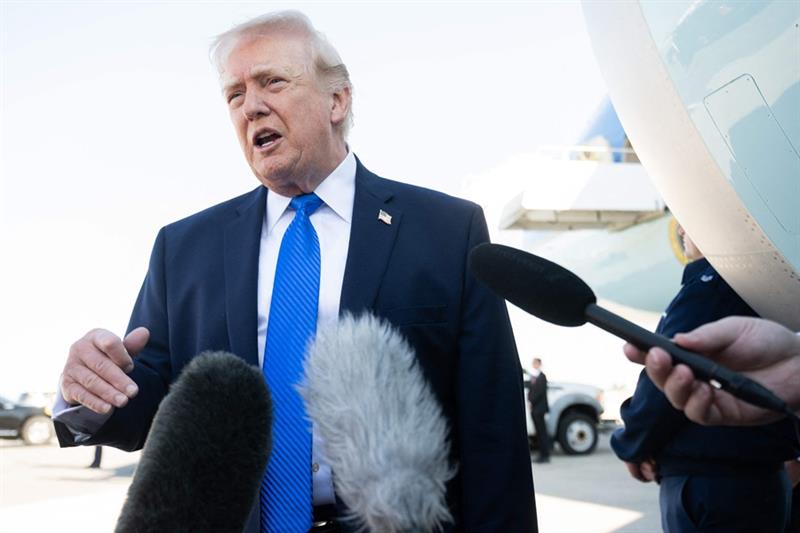
When news broke that the United States was actively negotiating with Iran to end an ongoing conflict, the announcement immediately captured global attention. It was not just another diplomatic update buried in official statements. It was delivered directly by the President of the United States, who told reporters that talks were happening right now and suggested that Iran was eager to reach a deal. At a time when tensions had already stretched into weeks of conflict, the statement hinted at a potential turning point. But almost as quickly as the claim was made, it was challenged. Iranian officials publicly denied that any such negotiations were taking place, setting the stage for a confusing and high stakes clash of narratives. What followed was not only a question of diplomacy, but also of credibility, timing, and the fragile line between war and peace.
The announcement came during what had already been described as day 25 of a prolonged and volatile conflict. For weeks, the situation had been marked by uncertainty, with shifting reports, conflicting signals, and growing concern from observers around the world. Into that environment, the claim of active negotiations landed with significant force. It suggested that behind the scenes, something was moving toward resolution. Yet the immediate denial from Tehran created a stark contradiction. If talks were truly underway, why would Iran reject the claim so strongly. And if they were not, why would the United States present them as ongoing. These questions quickly became central to understanding not just the current moment, but the broader dynamics shaping the conflict.
Trump’s statement and the message behind it
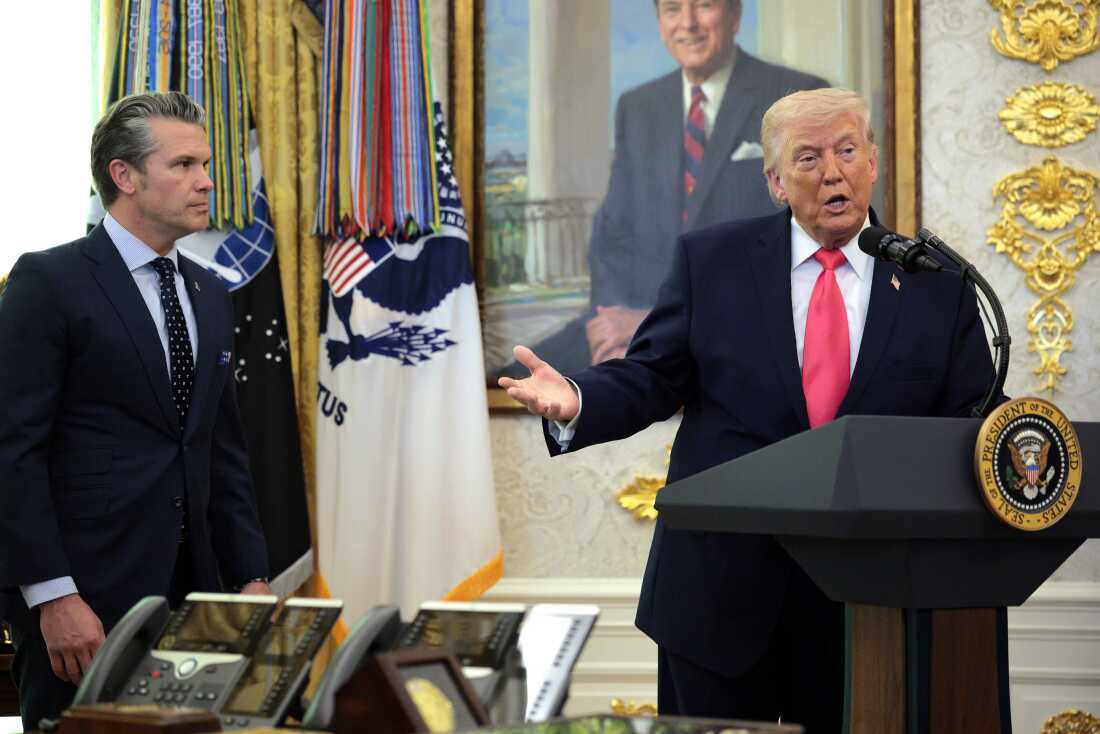
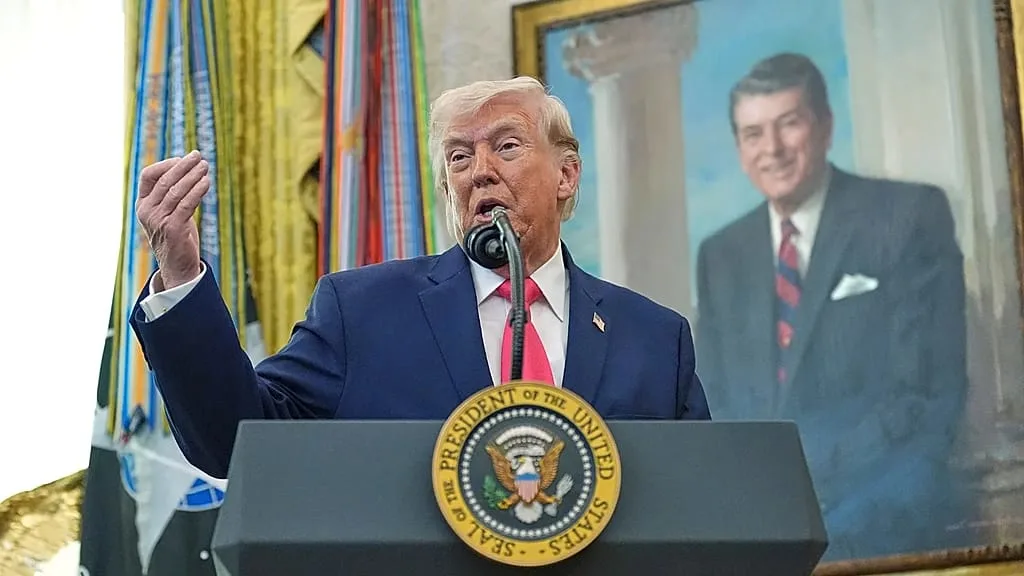
Speaking from the Oval Office, President Donald Trump described the situation in direct and confident terms. He told reporters that the United States was in negotiations with Iran right now and added that Tehran wanted to make a deal very badly. The phrasing was unmistakable. It suggested urgency, leverage, and momentum all at once. Trump also named key figures involved in the process, including Vice President JD Vance, Secretary of State Marco Rubio, envoy Steve Witkoff, and his son in law Jared Kushner. By listing those names, he reinforced the idea that this was not a vague or preliminary effort, but a coordinated push involving senior leadership.
The statement did not come out of nowhere. Just a day earlier, Trump had said his administration had been negotiating with Iran for a long time and believed a deal was close. That earlier remark had already raised expectations. The new statement went further, moving from long term effort to present action. It implied that whatever groundwork had been laid previously had now reached an active stage. For audiences watching closely, the shift from possible to immediate carried weight. It suggested that the conflict might be approaching a turning point, even if details remained unclear.
At the same time, Trump’s style of communication has often emphasized confidence and forward momentum, sometimes ahead of formal confirmation from other parties. That context matters. Supporters may interpret his words as a sign of decisive leadership pushing toward peace. Critics may see them as premature or strategic messaging designed to influence perception rather than reflect a finalized reality. In situations like this, the gap between statement and verification becomes critical.
Tehran pushes back and calls the claim false
Almost immediately after the statement circulated, Iranian officials responded with firm denials. Both the foreign office and the speaker of parliament rejected the idea that negotiations with the United States were taking place. Mohammad Bagher Qalibaf, Iran’s parliament speaker, went further by describing the reports as fake news intended to manipulate financial and oil markets. That language is not neutral. It suggests not just disagreement, but suspicion of motive.
From Tehran’s perspective, denying negotiations may serve several purposes. It allows the government to maintain a position of strength domestically, avoiding any perception that it is rushing to compromise under pressure. It also protects negotiating leverage if talks are happening informally or indirectly. In many diplomatic situations, especially during conflict, public denial can coexist with private communication. That does not necessarily mean talks are absent. It may mean they are being handled in a way that avoids public scrutiny until progress is more certain.
However, there is also the possibility that Iran’s denial is literal and that no direct negotiations are taking place. If that is the case, the contradiction becomes more serious. It would raise questions about why the United States would present negotiations as active when the other party rejects the claim entirely. That gap would not just be a misunderstanding. It would signal a deeper disconnect in how each side is communicating about the conflict.
The role of narrative in modern conflict
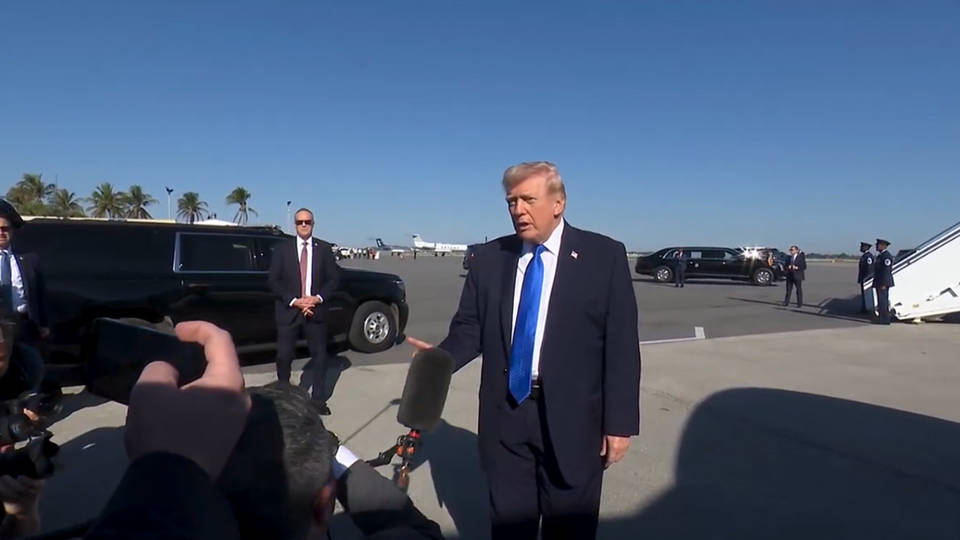
In today’s geopolitical environment, statements like these do more than inform. They shape perception. Markets react, allies adjust expectations, and citizens interpret the direction of events based on what leaders say publicly. That is why the difference between a confirmed negotiation and a claimed negotiation matters so much. It is not just about accuracy. It is about influence.
If investors believe a deal is near, oil prices may shift. If allies believe diplomacy is underway, they may adjust military or political support. If citizens believe peace is possible, public pressure may change. In that sense, the narrative itself becomes part of the strategy. Announcing negotiations can create momentum, even if the details are not fully settled.
Iran’s response suggests it is aware of that dynamic. By labeling the claim as fake news aimed at market manipulation, officials are not only denying the talks but also challenging the intent behind the statement. They are signaling that they see the narrative as a tool, not just a report. That adds another layer to the situation. It is no longer just about whether negotiations exist, but about how information is being used within the conflict.
Who is involved and why that matters
One of the more notable elements of Trump’s statement was the list of individuals he said were involved in the negotiations. Vice President JD Vance, Secretary of State Marco Rubio, envoy Steve Witkoff, and Jared Kushner represent a mix of official and advisory roles. Their inclusion suggests a broad approach to diplomacy that combines formal channels with trusted personal networks.
This approach is not new. Previous administrations have also relied on special envoys, backchannel negotiators, and informal intermediaries to explore possibilities that official diplomacy cannot always reach quickly. The involvement of multiple figures can indicate seriousness, but it can also complicate messaging. When several actors are engaged, maintaining a consistent and coordinated public narrative becomes more difficult.
For observers, the list raises important questions. Are these negotiations direct or indirect. Are they happening through intermediaries. Are they exploratory or structured. Without answers to those questions, the statement remains suggestive but incomplete. It points to activity without fully explaining its form.
The history of US and Iran communication
To understand the current moment, it is important to recognize that communication between the United States and Iran has often been complex, indirect, and shaped by decades of tension. Formal diplomatic relations have been absent for many years, which means that even when talks occur, they often happen through intermediaries or in less visible formats.
That history makes it entirely possible for both statements to contain elements of truth. The United States may be engaged in some form of communication that it considers negotiation, while Iran may reject that label if it does not meet its definition of official talks. In diplomatic language, definitions matter. What one side calls negotiation, the other may call discussion, signaling, or even speculation.
This ambiguity has been present in past moments as well. There have been times when talks were denied publicly but later confirmed to have taken place privately. There have also been times when expectations of negotiation proved premature. The current situation fits into that broader pattern of uncertainty.
Why timing is critical in a 25 day conflict
The fact that this announcement came on day 25 of the conflict is significant. Wars often move through phases, and the point at which negotiation becomes possible depends on multiple factors, including battlefield developments, political pressure, and international involvement. By the third or fourth week, both sides may begin to reassess their positions, especially if the cost of continuing rises.
Trump’s statement suggests that the United States believes the moment for negotiation has arrived. Iran’s denial suggests either disagreement with that assessment or a strategic choice not to acknowledge it publicly. Either way, the timing indicates that the conflict has reached a stage where the possibility of talks is at least being considered, whether openly or behind the scenes.
For the international community, this is a crucial moment. Early signals of negotiation can either lead to de escalation or collapse into further escalation if expectations are not met. The gap between announcement and confirmation becomes a sensitive space where outcomes can shift quickly.
What happens if the narratives continue to clash
If the United States continues to assert that negotiations are underway while Iran continues to deny them, the result may be a prolonged period of confusion. That confusion can have real consequences. Allies may struggle to align their positions. Markets may react unpredictably. Public trust in official statements may erode.
In some cases, conflicting narratives eventually converge as more information becomes available. Either talks become visible and undeniable, or the claim fades if no progress is seen. In other cases, the contradiction itself becomes part of the strategy, with each side using public statements to influence perception without fully revealing its actions.
The risk is that prolonged contradiction can harden positions rather than soften them. If one side feels misrepresented, it may become less willing to engage. If the public loses confidence in the accuracy of statements, it may become harder to build support for any eventual agreement.
The broader implications for diplomacy and credibility
Beyond the immediate question of whether negotiations are happening, this moment raises a larger issue about credibility in international diplomacy. When leaders make strong public claims that are immediately disputed, it creates uncertainty not just about the specific issue, but about the reliability of future statements.
For the United States, maintaining credibility is essential to leading negotiations, building alliances, and shaping global responses. For Iran, managing its own narrative is equally important, both domestically and internationally. Each side is not only negotiating with the other, but also communicating with multiple audiences at once.
This dual role makes diplomacy more complex. Leaders must balance transparency with strategy, accuracy with influence, and public messaging with private negotiation. When those elements fall out of alignment, as they appear to have here, the result is a moment of tension that extends beyond the battlefield.
A fragile moment where words may shape what comes next
As the conflict continues, the question of whether negotiations are truly underway remains unanswered. What is clear is that the situation has entered a phase where words carry significant weight. A single statement can raise hopes of peace or deepen uncertainty, depending on how it is received and whether it is confirmed.
If negotiations are indeed happening, even indirectly, this could mark the beginning of a shift toward resolution. If they are not, the claim itself may still influence the trajectory by shaping expectations and responses. In either case, the moment highlights how closely diplomacy, communication, and conflict are intertwined.
For now, the world is left with two competing narratives. One says talks are happening right now and that a deal may be within reach. The other says no such talks exist and that the claim itself may be part of a broader strategy. Between those positions lies a narrow and uncertain path, where the next development could either clarify the situation or deepen the divide.