
Table of Contents
- A war narrative shifts as leadership signals begin to change direction
- Trump’s remarks and the subtle shift in responsibility
- The broader decision making process behind the strike
- Pakistan steps forward as a potential mediator
- Conflicting signals on ceasefire and continued strikes
- Israel’s role and the expanding scope of the conflict
- Iran’s response and its framing of the conflict
- Oil markets react to uncertainty and mixed signals
- The intersection of military action and diplomatic messaging
- A conflict at a crossroads shaped by competing narratives
A war narrative shifts as leadership signals begin to change direction
When news emerged that the President of the United States appeared to shift part of the responsibility for military action against Iran onto his own Defense Secretary, it immediately added a new layer of complexity to an already volatile conflict. This was not simply another update from the battlefield. It was a signal that the narrative within the United States leadership itself might be evolving. At the same time, another unexpected development began to take shape. Pakistan, a country with its own strategic position in the region, started positioning itself as a potential mediator between Washington and Tehran. These two developments, unfolding almost simultaneously, suggest that the conflict may be entering a new and uncertain phase where diplomacy, blame, and geopolitical maneuvering are colliding in real time.
The situation is unfolding against the backdrop of continued military escalation, with strikes, counterstrikes, and rising tension across multiple fronts. Yet beneath the surface of these visible actions, there is a quieter but equally important struggle over perception. Who is responsible for the escalation. Who is pushing for peace. And who is controlling the narrative that the world sees. These questions are becoming just as critical as the military developments themselves.
Trump’s remarks and the subtle shift in responsibility
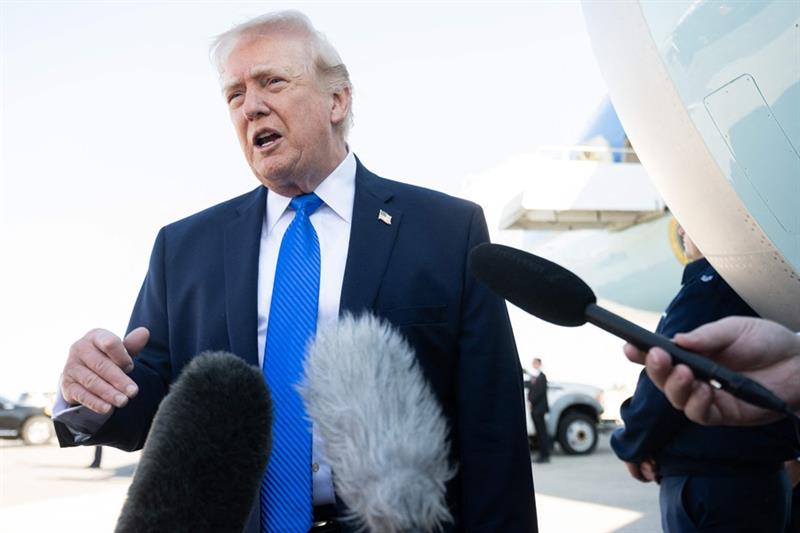
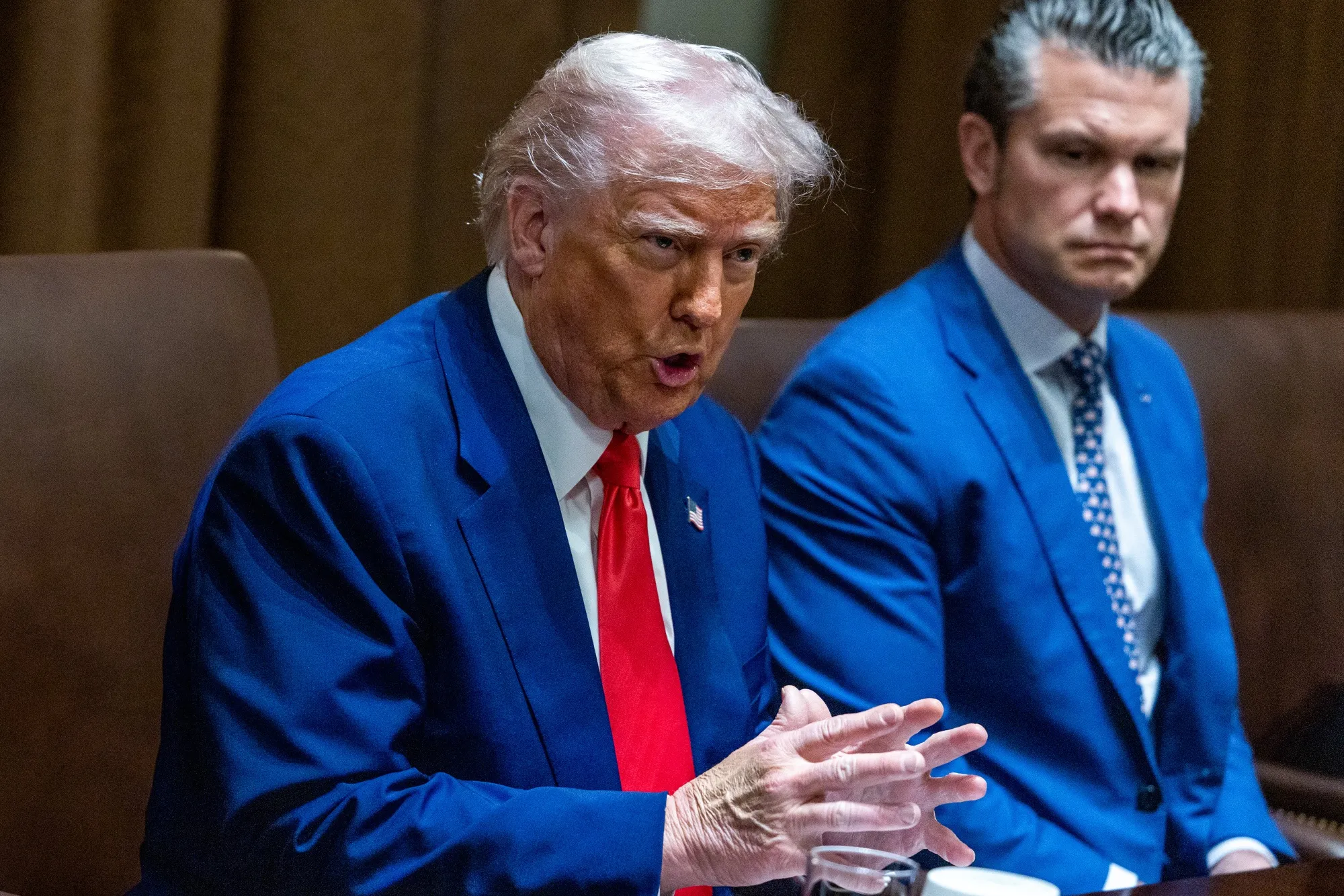
During a public appearance in Tennessee, President Donald Trump reflected on the internal discussions that took place before the decision to strike Iran. In recounting those moments, he highlighted that Defense Secretary Pete Hegseth had been among the first to support military action, framing it as a necessary step to prevent Iran from obtaining a nuclear weapon. The way the statement was delivered did not explicitly assign blame, but it clearly shifted attention toward Hegseth’s role in the decision making process.
This kind of framing matters. In moments of conflict, leadership narratives often evolve as events unfold. Early decisions that were presented as collective or strategic can later be reinterpreted as influenced by specific individuals. By emphasizing Hegseth’s early support, Trump appeared to be redistributing the weight of responsibility, even if subtly. For observers, this raises important questions. Is this a reflection of internal disagreement. Is it a strategic repositioning in response to how the war is being perceived. Or is it simply a recounting of events without deeper implication.
In political communication, even small shifts in emphasis can carry significant meaning. Highlighting who supported a decision first can influence how that decision is judged later. It can also shape how accountability is distributed if the situation becomes more difficult or controversial.
The broader decision making process behind the strike
Trump’s remarks also offered a glimpse into how the decision to strike Iran was made. He described consulting multiple senior officials, including military leadership and key advisors, before finalizing the action. This suggests that the decision was not made in isolation but was part of a broader deliberative process involving various perspectives.
However, the way these consultations are remembered and presented can vary over time. In the immediate aftermath of a decision, leaders often emphasize unity and confidence. As the situation evolves, they may highlight different aspects of the process, including who advocated for specific actions. This can create a shifting narrative that reflects both the complexity of decision making and the changing context in which those decisions are evaluated.
For the public, understanding this process is crucial. It reveals that major military actions are rarely the result of a single voice. They are the outcome of discussions, pressures, intelligence assessments, and strategic calculations. Yet it also shows how, in retrospect, those collective decisions can be reframed through the lens of individual influence.
Pakistan steps forward as a potential mediator
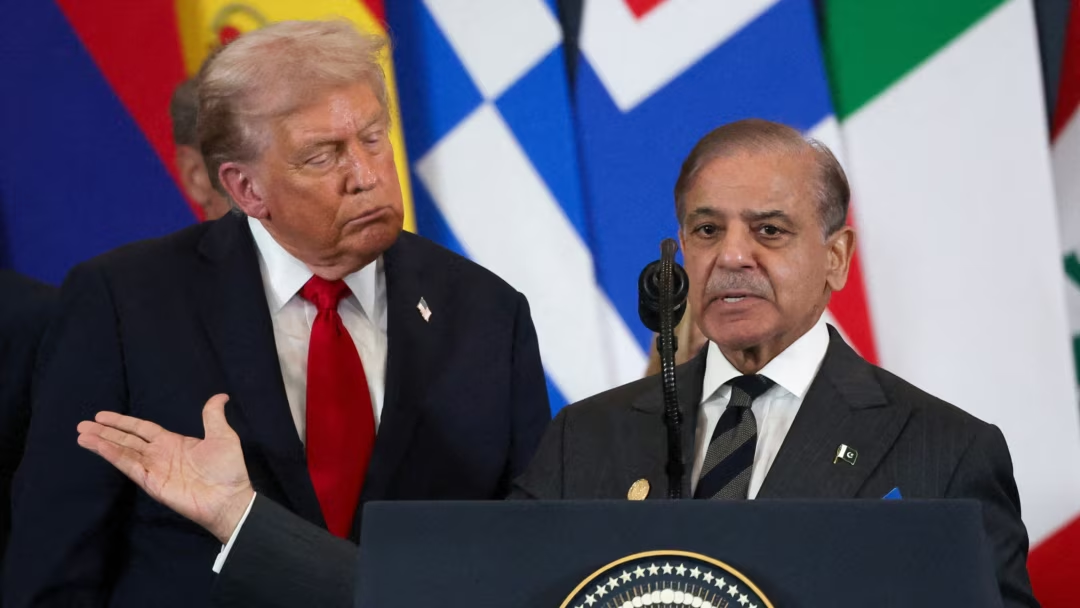
While attention has been focused on the internal dynamics within the United States, another development has been quietly gaining momentum. Pakistan has signaled its intention to act as a mediator between the United States and Iran. According to reports, Islamabad is preparing to host a summit that could bring together key figures from both sides in an attempt to reduce tensions and explore a path toward peace.
This move is significant for several reasons. First, it positions Pakistan as an active diplomatic player in a conflict that extends beyond its immediate borders. Second, it introduces a new channel for communication at a time when direct dialogue between Washington and Tehran appears uncertain or contested. Third, it reflects a broader pattern in international relations, where regional powers step in to facilitate dialogue when direct engagement becomes difficult.
Pakistan’s involvement could also reshape the dynamics of the conflict. Mediation efforts often depend on trust, neutrality, and the ability to communicate with all parties involved. Whether Pakistan can fulfill that role effectively remains to be seen, but the very act of stepping forward signals that the situation has reached a point where external facilitation is being considered.
Conflicting signals on ceasefire and continued strikes
Adding to the complexity is the contradiction between announcements of a pause in fighting and reports of continued military action. Trump announced a five day pause, describing it as the result of productive conversations. Such a pause, if implemented, would represent a significant step toward de escalation.
However, reports from Iran suggest that strikes did not fully stop. Iranian sources indicated that military actions continued, including retaliatory operations targeting American and Israeli positions. The Islamic Revolutionary Guard Corps reportedly carried out another wave of strikes as part of its ongoing campaign.
This discrepancy highlights a recurring challenge in conflict reporting. Announcements of pauses or ceasefires do not always align perfectly with actions on the ground. There can be delays, misunderstandings, or strategic decisions to continue limited operations. For observers, this creates uncertainty about the true state of the conflict. Is the situation stabilizing, or is it continuing under a different narrative.
Israel’s role and the expanding scope of the conflict
The involvement of Israel adds another layer to the situation. Israeli officials confirmed that their air force conducted a wide wave of airstrikes targeting infrastructure linked to Iran’s leadership. These actions were reportedly coordinated in part with broader strategic discussions involving the United States.
Israel’s position in the conflict reflects its longstanding concerns about Iran’s regional influence and potential nuclear capabilities. The decision to carry out large scale strikes indicates a willingness to act decisively, even as diplomatic discussions are being suggested elsewhere.
This creates a complex dynamic where military escalation and diplomatic signaling occur simultaneously. On one hand, there are efforts to explore negotiation. On the other, there are actions that intensify the conflict. Balancing these two tracks is one of the most difficult aspects of modern warfare.
Iran’s response and its framing of the conflict
Iran has consistently framed the situation as a response to aggression rather than an initiation of conflict. Iranian officials, including Foreign Minister Abbas Araghchi and President Masoud Pezeshkian, have emphasized that the current instability is a result of actions taken by the United States and its allies. They have also pointed to the strategic importance of regions like the Strait of Hormuz, where tensions can have global economic consequences.
In conversations with international counterparts, Iranian leaders have reinforced their position that they are defending their sovereignty and responding to what they describe as illegal military actions. This narrative is important not only for domestic audiences but also for international diplomacy. It shapes how other countries interpret the conflict and decide whether to support, oppose, or mediate.
At the same time, Iran’s rejection of claims about ongoing negotiations adds to the sense of uncertainty. It suggests either a genuine absence of talks or a strategic decision to deny them publicly. In either case, it reinforces the idea that the diplomatic landscape is as contested as the military one.
Oil markets react to uncertainty and mixed signals
One of the most immediate global impacts of the conflict has been seen in energy markets. Oil prices have responded sharply to developments, rising on concerns about supply disruptions. Brent crude climbed to around 104 dollars per barrel, while West Texas Intermediate also saw significant gains.
These movements reflect how sensitive markets are to geopolitical events, especially in regions that play a critical role in global energy supply. The Strait of Hormuz, in particular, is a key chokepoint for oil shipments. Any threat to its stability can trigger rapid price changes.
The contradiction between claims of negotiation and reports of continued conflict adds to market volatility. Investors are trying to interpret signals that are not always consistent. A single announcement can shift expectations, only to be challenged by another statement or action. This creates an environment where uncertainty becomes the dominant factor influencing economic behavior.
The intersection of military action and diplomatic messaging
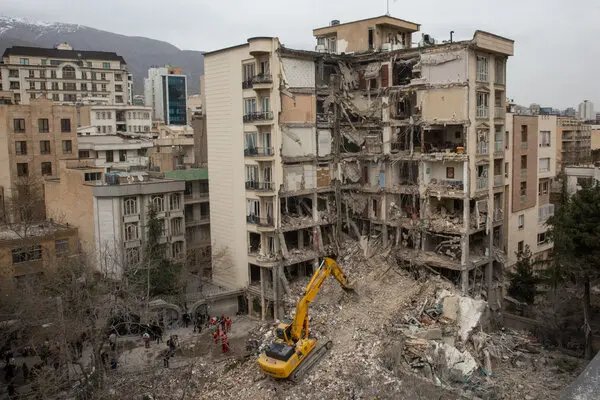
What makes this moment particularly complex is the overlap between military developments and diplomatic messaging. On one side, there are ongoing strikes, strategic decisions, and shifting alliances. On the other, there are statements about negotiations, pauses, and mediation efforts.
These two dimensions do not always align neatly. In some cases, military pressure is used to strengthen a negotiating position. In others, diplomatic efforts are pursued even as conflict continues. Understanding the relationship between these elements is key to interpreting what is happening.
Trump’s remarks, Pakistan’s mediation efforts, Iran’s denials, and the continued military actions all form part of a larger picture. Each element influences the others. Each contributes to a narrative that is still evolving. And each carries implications for what may happen next.
A conflict at a crossroads shaped by competing narratives
As the situation continues to unfold, it is clear that the conflict has reached a critical point. The shift in narrative within the United States, the emergence of Pakistan as a mediator, and the conflicting signals about negotiations all suggest that the path forward is uncertain.
This is a moment where words, actions, and perceptions are deeply interconnected. A statement can influence markets, shape alliances, and alter expectations. A military action can change the context in which diplomacy takes place. And a denial can cast doubt on an entire narrative.
What happens next will depend on how these elements come together. Will mediation efforts gain traction. Will negotiations become visible and confirmed. Or will the conflict continue to escalate despite the signals of diplomacy. These questions remain open.
For now, the world is watching a situation where leadership decisions, international relationships, and economic pressures are all converging. It is a reminder that modern conflicts are not defined solely by what happens on the battlefield. They are also shaped by how those events are communicated, interpreted, and responded to across the globe.