
Table of Contents
Why Brent Above $116 Matters So Much
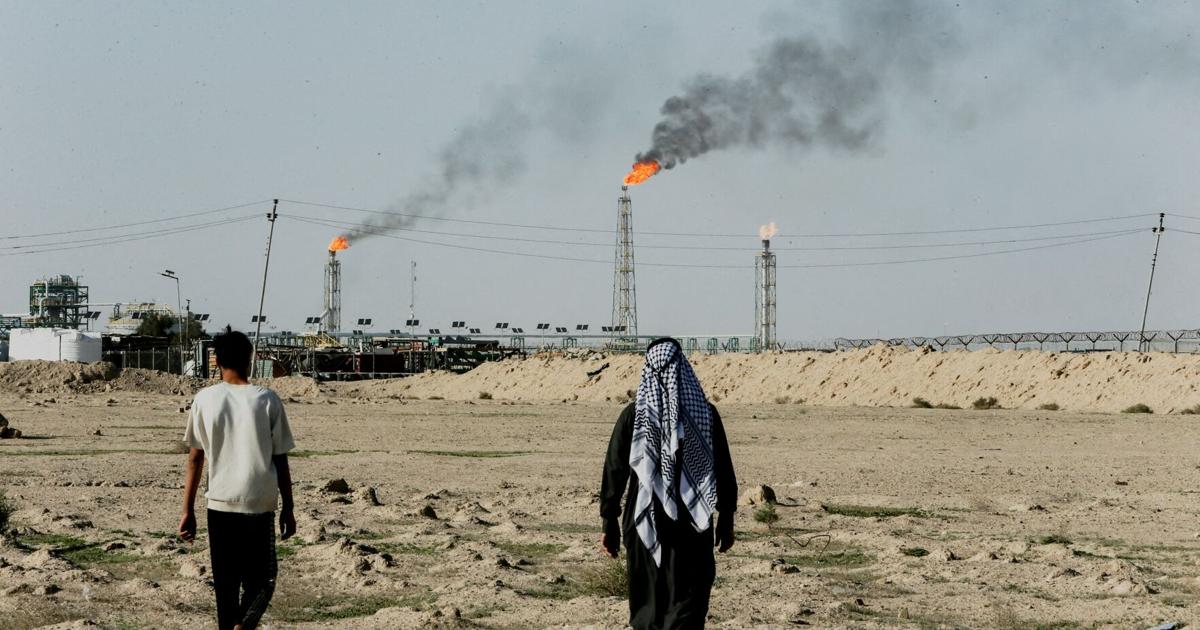
Oil at $116 is not just a scary headline. It is a price level that immediately feeds into transport costs, inflation expectations, business margins, and central bank anxiety. Reuters reported that Brent’s move above $116 brought it close to its biggest monthly gain on record, while global investors began pricing in a longer and more economically damaging conflict. Deutsche Bank’s Jim Reid said the market impact was becoming increasingly serious because investors were now assuming the war may last longer than initially hoped.
This matters because oil functions like a multiplier across the economy. When crude rises sharply, airlines pay more, freight costs rise, manufacturers absorb higher input expenses, and households feel the pressure at the gas pump. By March 30, traders were no longer reacting only to the fact of war itself. They were reacting to the possibility that one of the world’s most sensitive energy chokepoints could remain impaired while one of Iran’s most important oil export hubs might become a target.
The market also understood that this was not a minor fluctuation from a calm baseline. Before the war began on February 28, Brent had been trading around the low $70s. By late March it had pushed above $116, meaning the price shock was already enormous even before any further military escalation involving Kharg Island or additional shipping disruptions at Bab al Mandab.
Trump’s Comments Changed the Tone
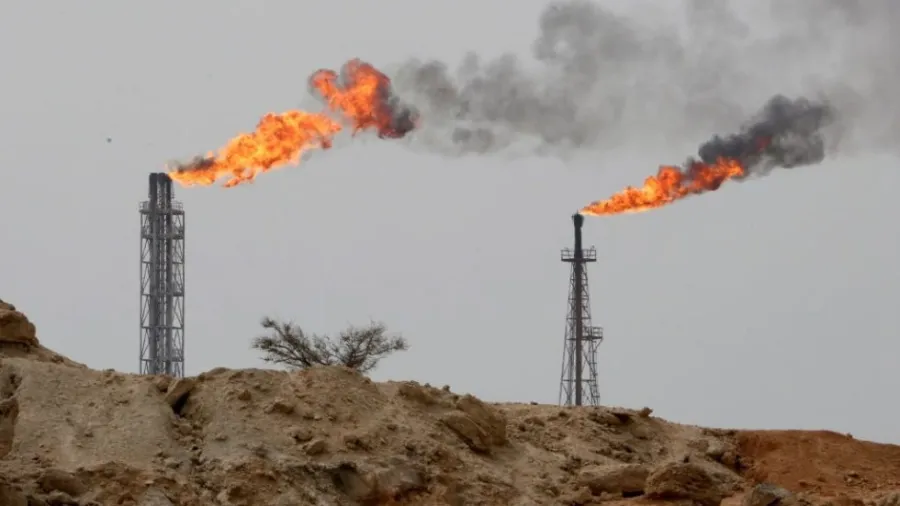
Trump’s remarks mattered because they appeared to move beyond punishing Iran militarily and into the language of capture and control. According to multiple reports, he said he wanted to “take the oil” in Iran and floated the possibility of seizing Kharg Island, which experts say handles roughly 90% of Iranian oil exports. The idea was compared to U.S. policy in Venezuela, where Trump suggested the United States intended to control the oil industry indefinitely after Maduro’s removal.
For oil markets, that is the kind of statement that instantly widens the scope of possible outcomes. Investors no longer have to think only about missile exchanges or naval harassment. They now have to consider whether the United States might try to occupy or physically control strategic energy infrastructure. That possibility introduces an entirely different level of geopolitical risk, because such a move could trigger direct Iranian retaliation, regional proxy attacks, or a larger confrontation involving U.S. troops and shipping lanes.
Experts quoted by the Associated Press warned that seizing Kharg Island would put U.S. troops in danger because the island lies close to Iran’s mainland and within reach of Iranian missiles and drones. They also argued it might not even end the war, while greatly increasing the chances of a broader and more volatile confrontation. That warning helps explain why traders treated Trump’s comments as market moving, not rhetorical.
The Strait of Hormuz Is Still the Bigger Threat
Even with Kharg Island in the headlines, the deeper market fear remains the Strait of Hormuz. Reuters noted that roughly one fifth of global oil supply normally passes through the strait, and Egypt’s President Abdel Fattah al Sisi warned that prolonged disruption there could send oil above $200 a barrel. That is why the current price surge has been so fast. The market is reacting not only to the war itself, but to the possibility that one of the world’s most important energy arteries could remain blocked or partially choked for an extended period.
When a chokepoint like Hormuz is threatened, traders begin asking not how much oil is being lost today, but how much might be lost if the disruption persists. Macquarie analysts, cited in major coverage, said Brent could reach $200 if the war drags on until the end of June and the strait remains shut long enough to force global demand destruction. They reportedly assigned that severe scenario a 40% probability, which is striking because it shows that a truly extreme outcome is no longer being treated as fringe.
In other words, Brent above $116 is not the ceiling in current market psychology. It is the price at which traders are beginning to map much uglier possibilities.
There Are Mixed Signals on Diplomacy
Part of the reason markets remain so nervous is that political signals are contradictory. Trump told reporters that talks with Iran were going “very good” and suggested Tehran had agreed to most of Washington’s demands. But Iran publicly denied there were direct negotiations, with Iranian officials saying U.S. claims about talks were false or overstated. Reporting from The Washington Post and other outlets showed a clear mismatch between Trump’s optimism and Tehran’s public position.
That contradiction makes it harder for markets to price peace. When one side says negotiations are advancing and the other side denies they exist, investors tend to assume the war risk remains high. Reuters also reported that Pakistan, Saudi Arabia, Egypt, and Turkey were working on diplomatic efforts, with Pakistan saying it would facilitate talks in the coming days. Yet even there, uncertainty remained because Iranian officials later pushed back on Pakistan’s mediation claims.
So while diplomacy exists in the headlines, it has not yet become credible enough to calm energy markets. Right now, traders see a conflict where negotiations are being discussed publicly at the same time troop deployments, threats against oil infrastructure, and new attacks by regional proxies continue.
The Regional War Risk Is Getting Broader
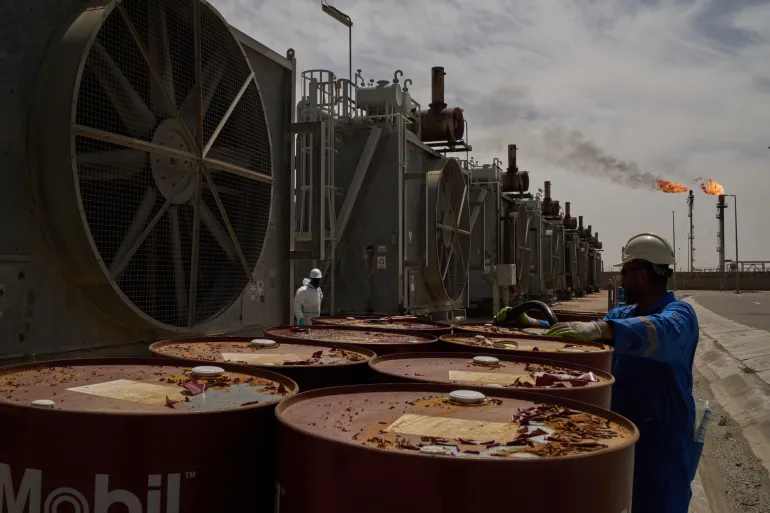
One reason oil has kept climbing is that the conflict is no longer confined to one front. Reuters and other reporting showed that thousands of U.S. troops have been sent into the region, while Iran’s parliamentary speaker accused Washington of secretly preparing for a ground invasion. At the same time, the Houthis in Yemen joined the conflict by launching strikes against Israel, creating new fears around the Bab al Mandab Strait, another critical shipping chokepoint linking the Red Sea to global trade routes.
That matters because energy markets hate layered chokepoint risk. Hormuz affects Gulf oil exports. Bab al Mandab affects shipping flows between Europe and Asia. If both remain under pressure, the war begins to look less like a regional military clash and more like a global energy disruption event. That is when analysts start talking about recession, stagflation, and renewed central bank tightening risks.
The wider market response shows that fear clearly. Reuters noted that Asian equities sold off sharply, with major indexes in Japan and South Korea down hard, while U.S. stocks were heading for their longest losing streak since 2022. Investors are reading oil not as an isolated commodity shock, but as a warning flare for broader economic stress.
What $200 Oil Would Mean
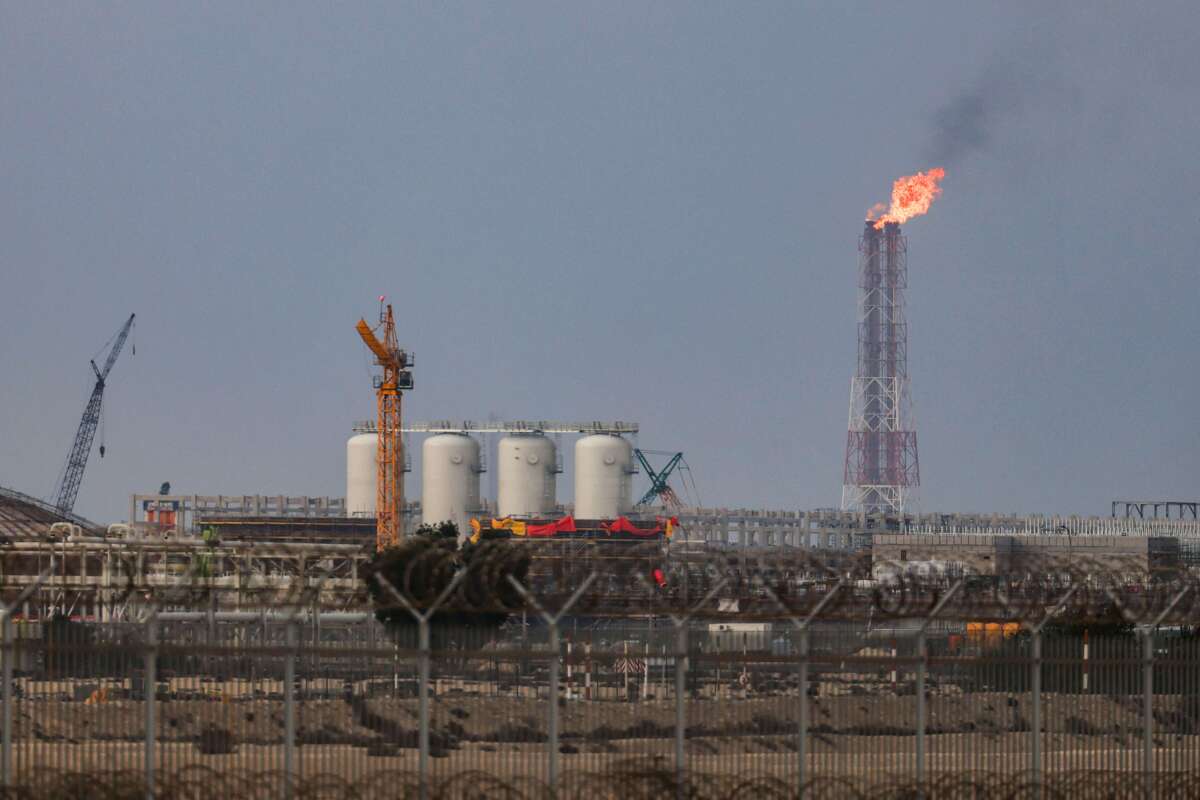
The number now haunting markets is $200. Macquarie’s severe scenario, along with President Sisi’s warning, pushed that figure into mainstream discussion this week. At that level, the damage would not be confined to the energy sector. It would likely hit consumer spending, freight, aviation, food prices, and industrial production almost everywhere. The same Macquarie scenario reportedly implied U.S. gasoline could surge to about $7 a gallon if the conflict drags on and Hormuz stays shut deep into the second quarter.
That is why the oil story matters even to people who do not follow commodities. High oil prices become a tax on daily life. They reduce disposable income, squeeze businesses, and make inflation harder to control. Central banks then face a miserable choice. Either they tolerate hotter inflation, or they keep policy tighter even as growth weakens. That is the classic recipe for stagflation, and it is exactly the fear that now hangs over global markets.
In a milder scenario, Macquarie said prices could fall back relatively quickly if the war winds down soon, though even then crude would likely remain above prewar levels and settle only into the low $80s next year. So even the optimistic case is not a clean return to normal.
Why Investors Still Think This Can Get Worse
The most important fact in markets right now is not just that oil rose. It is why it rose. It rose because investors do not see a clear off ramp. As Deutsche Bank’s Jim Reid put it, there is still no obvious sign of a clear end to the conflict, and fresh headlines keep reviving escalation fears. Trump’s comments about taking Iran’s oil reinforced that uncertainty by raising the possibility of a much bolder and riskier U.S. move.
Even optimistic comments from Washington have not been enough to reverse that view. Iran is disputing the negotiation narrative. Regional actors are scrambling diplomatically. U.S. troop movements are continuing. The Houthis are now involved. Hormuz remains central to the crisis. And one of Iran’s most important export sites is suddenly being discussed as a military target. Add those pieces together, and Brent above $116 begins to look less like a spike and more like the market’s current price for a war that still has room to worsen.
In the end, Trump’s “take the oil” remark did more than move a commodity chart. It reminded traders that this conflict is no longer being measured only in battlefield terms. It is being measured in barrels, chokepoints, inflation, and the growing fear that the global economy may be entering another period where geopolitics and energy collide with brutal force. And until there is a credible path to de escalation, oil markets are likely to keep pricing that fear aggressively.