
Table of Contents
- The Final Walk That Moved the World
- A Silent Hero’s Final Wish
- The Photo That Broke the Internet
- The Ripple Effect of One Life
- The Hidden Power of Organ Donation
- A Hospital’s Most Sacred Tradition
- The Science Behind the Gift
- A Family’s Unthinkable Strength
- The Global Response: A Shared Humanity
- How Organ Donation Changes Lives
- Why Her Story Matters More Than Ever
- The Legacy That Lives On
- How You Can Be a Hero Too
- Final Thoughts: The Heart That Keeps on Beating
The Final Walk That Moved the World
The hospital corridor was silent.
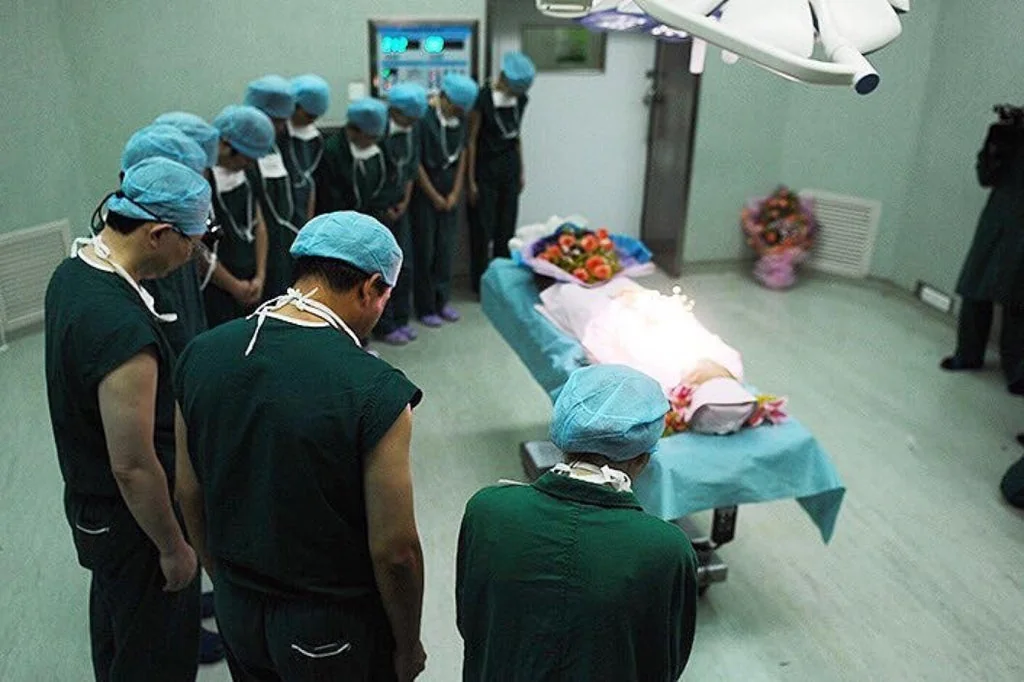
Doctors, nurses, and staff—all lined up in stillness—bowed their heads as a 17-year-old girl was wheeled past on a stretcher. Her body, once full of life, was now making its final journey.
This wasn’t just a moment of grief—it was a moment of gratitude.
The young girl, whose name was not released to respect her family’s privacy, had chosen to become an organ donor. Her decision meant that, though her life ended too soon, others would get to keep living.
And in that quiet hallway, surrounded by the people who fought to save her, she became a hero.
A Silent Hero’s Final Wish
Her wish was simple. She didn’t want her story to end with her death.
Instead, she wanted it to continue in the hearts and lungs and bodies of others—strangers she would never meet, whose lives she would one day save.
Her heart, liver, kidneys, and lungs were all donated to patients who had been waiting desperately for a second chance.
Each of those organs carried a piece of her—a rhythm, a breath, a pulse of compassion.
And somewhere out there today, people are breathing, walking, laughing, and living… because of her choice.
The Photo That Broke the Internet
A single photograph captured it all.
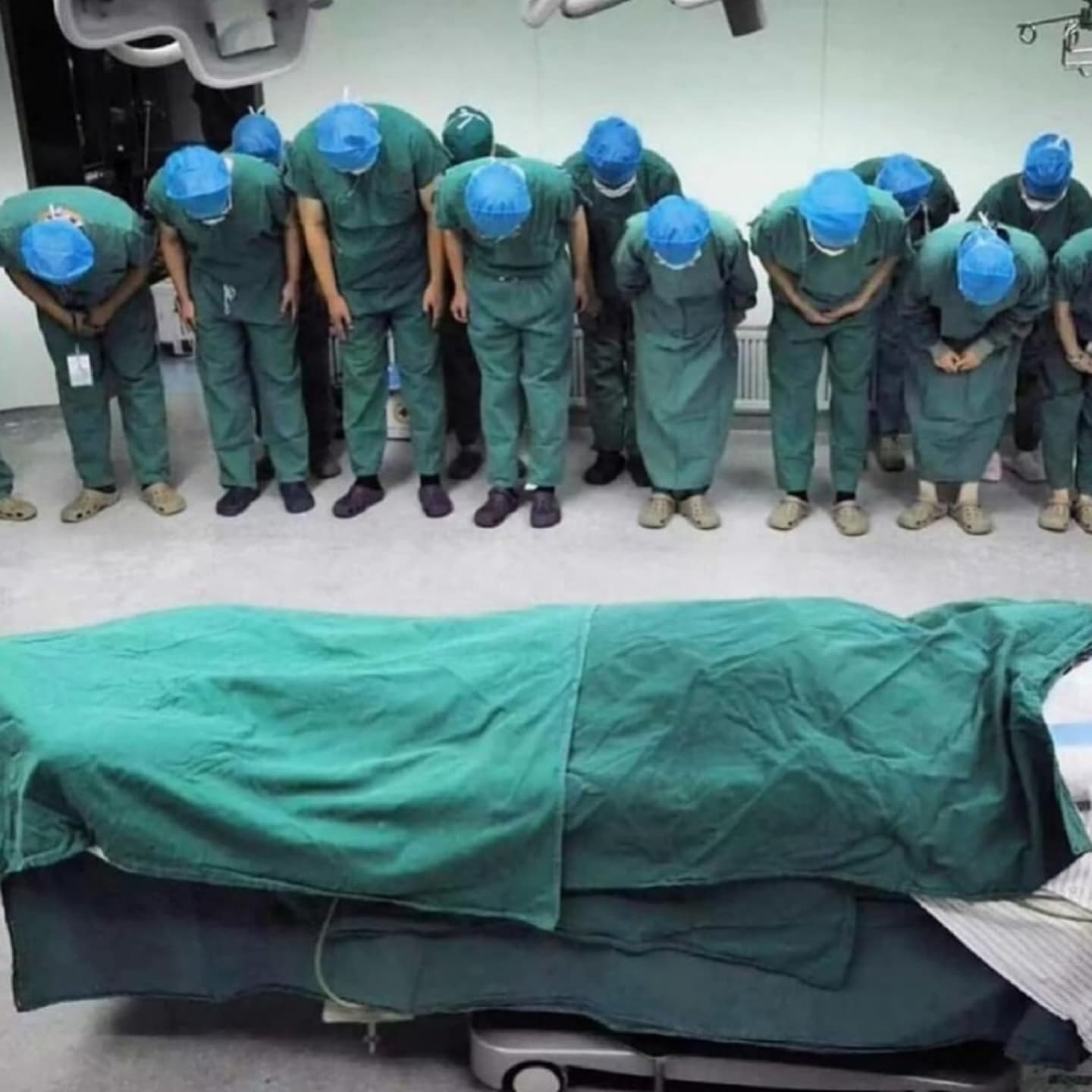
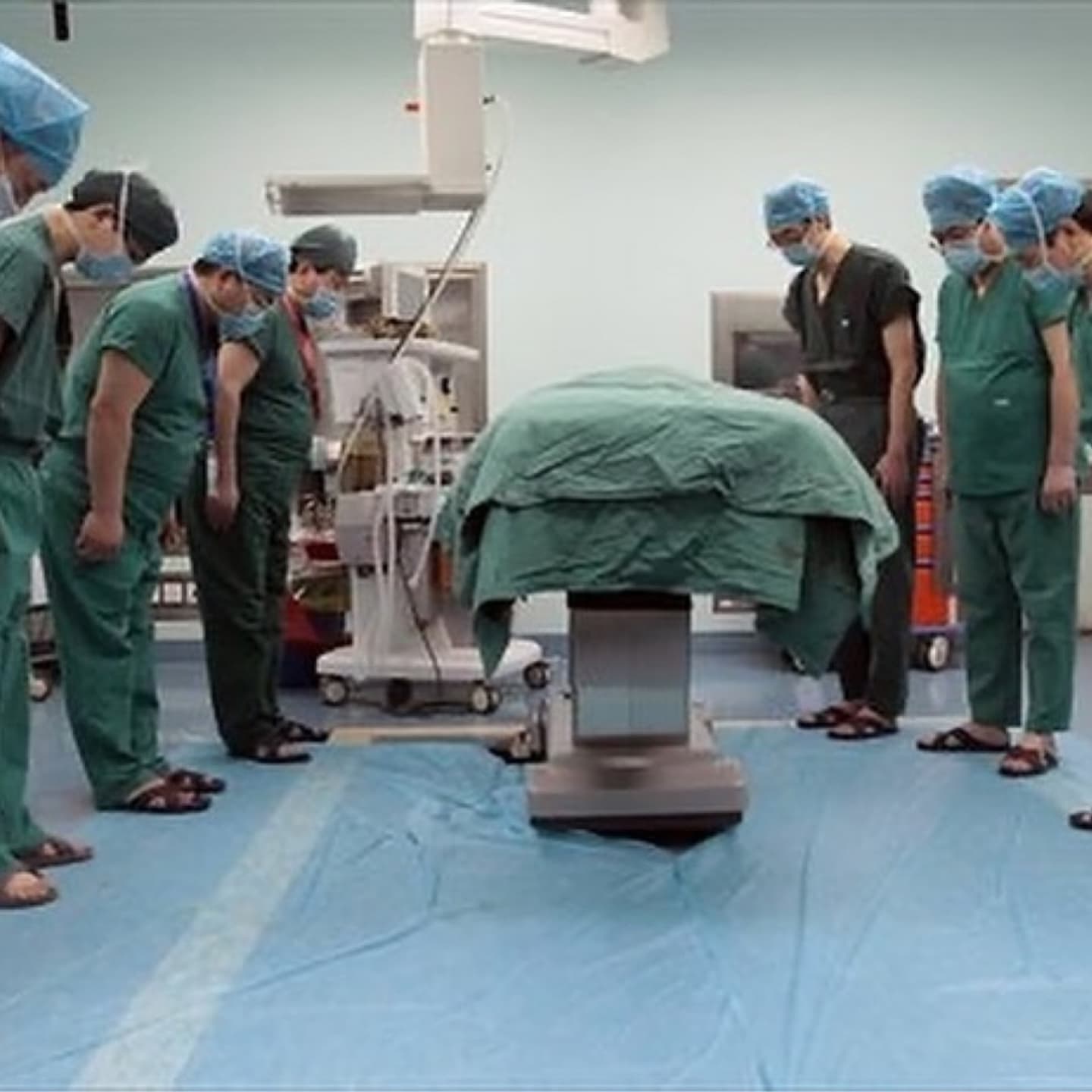
The moment the medical team bowed as her body was wheeled toward the operating room for organ retrieval—an image of solemn respect that went viral worldwide.
To millions, it became more than a photo. It became a symbol of what humanity still is capable of: honor, empathy, and grace.
“This isn’t sadness—it’s reverence,” one commenter wrote. “She gave what most of us couldn’t.”
In an era often filled with cynicism and division, the image became a rare reminder that love still exists—in the quiet corners of hospitals, in the hands of healers, and in the final acts of the selfless.
The Ripple Effect of One Life
Organ donation is often described as the gift of life—but that phrase hardly captures its depth.
Each donor can save up to eight lives and improve the quality of life for dozens more through tissue and corneal donations.
Imagine eight hospital rooms lighting up with relief—families crying tears of joy instead of grief. Imagine children who get to grow up with their parents, or parents who get to watch their children graduate.
That’s what her choice created: a ripple of miracles born from tragedy.
The Hidden Power of Organ Donation
Behind every transplant is a story like hers—ordinary people doing something extraordinary.
But the reality is sobering: more than 100,000 people worldwide are currently waiting for organ transplants. Many will die before a match is found.
And yet, despite advances in medicine, organ donor rates remain low in many countries due to misconceptions, fear, or simple lack of awareness.
Doctors say the biggest myth is that registering as a donor affects how much care you receive in a hospital.
“That’s completely false,” said Dr. Ellen Ho, a transplant coordinator. “Every patient is treated with the same commitment. Donation is only considered after every possible effort to save a life has failed.”
The truth? Signing up to be an organ donor doesn’t take life away—it gives it.
A Hospital’s Most Sacred Tradition
When the medical team bowed, it wasn’t a performance—it was a ritual.
Known in many hospitals as the “honor walk,” this silent tribute is performed when an organ donor is moved from their hospital bed to the operating room.
Doctors and nurses line the hallways, bowing in respect to the person who is about to give the ultimate gift.
It’s a gesture that transcends culture, religion, and rank.
As one nurse put it:
“We fight every day to save lives. But sometimes, the greatest act of saving comes from those we couldn’t keep.”
The Science Behind the Gift
While the emotional impact is profound, the medical science behind organ donation is nothing short of miraculous.
A single organ retrieval surgery can involve up to dozens of specialists—surgeons, anesthesiologists, nurses, and transplant coordinators—all working in harmony to ensure each organ remains viable.
Organs are preserved using cold perfusion techniques, packed in temperature-controlled containers, and flown across regions or countries within hours to recipients awaiting transplants.
For the patients who receive them, the transformation can be immediate.
A person gasping for air due to lung failure can breathe normally within hours.
A child tethered to dialysis can laugh again.
A failing heart can beat strong once more.
That’s not just science—it’s salvation.
A Family’s Unthinkable Strength
Behind every donation is a family faced with the most difficult decision imaginable.
For this 17-year-old’s parents, agreeing to her wish meant letting go while giving others hope.
In interviews, the family shared that their daughter had always been kind-hearted—volunteering, helping others, and dreaming of becoming a nurse.
So when doctors told them she could save lives through organ donation, they didn’t hesitate.
“We knew it’s what she would have wanted,” her mother said through tears. “Even in her last moment, she was giving.”
Their courage turned heartbreak into healing.
When the story and image spread online, something extraordinary happened.
Messages poured in from around the world—from strangers thanking her, from transplant survivors sharing their gratitude, from parents saying they registered their children as donors in her honor.
“She gave me the strength to finally sign up,” one woman commented. “Her story made me realize how powerful one person’s decision can be.”
In a world divided by borders, this teenager united people through empathy—a universal language stronger than politics or fear.
How Organ Donation Changes Lives
Here are just a few of the lives that her gift—and others like hers—might have saved:
- A father with heart failure, finally able to walk his daughter down the aisle.
- A teenage boy with kidney disease, free from dialysis after years of waiting.
- A mother with liver failure, able to hug her children again.
- A child born with lung defects, breathing for the first time without machines.
Each of them now carries a piece of her—a reminder that humanity’s greatest power is the ability to give.
Why Her Story Matters More Than Ever
In an age of self-promotion, her act stands out as something profoundly different: self-erasure for the sake of others.
She didn’t donate for fame or praise. She did it because it was right.
That kind of quiet courage is what the world desperately needs—proof that even in loss, we can create meaning.
As global organ donor organizations emphasize, stories like hers inspire thousands to register—and that, in turn, saves lives that might have been lost to hesitation or fear.
The Legacy That Lives On
Every heartbeat saved through her gift becomes part of her legacy.
Every family reunited, every laugh restored, every moment reclaimed from death—all trace back to one young woman who decided to help others live.
And in that decision, she achieved something most of us can only dream of: immortality through kindness.
Her story will live on not just in medical records or news reports, but in every life she touched.
How You Can Be a Hero Too
Becoming an organ donor takes just a few minutes—but the impact can last lifetimes.
Here’s how to do it:
- Register online through your country’s official organ donor registry.
- Inform your family of your decision—they’ll be your voice when the time comes.
- Carry a donor card or note it on your driver’s license.
- Encourage others to do the same.
You don’t need to be a doctor, a millionaire, or a celebrity to save lives. You just need a heart willing to give.
Final Thoughts: The Heart That Keeps on Beating
Somewhere in a hospital room today, a heart beats strong inside a man who once lay dying.
A pair of lungs breathes deeply under the sun.
A child laughs, unaware that the life inside them was once someone else’s gift.
That’s her legacy.
It’s proof that even in the face of death, love can rewrite the ending.
Because sometimes, the greatest heroes aren’t the ones who live the longest—
They’re the ones who give the most.