

Table of Contents
- A Growing Concern Over Age and Mental Fitness in Congress
- The Proposal for Cognitive Fitness Testing
- Resistance and Backlash: The Age Debate
- Alternatives to Cognitive Testing: Term Limits and Mandatory Retirement
- A Broader Debate on Leadership and Accountability
- The Push for Reform
- Conclusion: A Call for Action
A Growing Concern Over Age and Mental Fitness in Congress
Over the past few decades, the age of U.S. lawmakers has steadily risen, with a growing number of individuals over 70 continuing to hold office. As of January 2026, nearly 120 members of Congress were aged 70 or older. While many of these lawmakers bring valuable experience and institutional memory to their positions, there are increasing concerns about whether their cognitive abilities are up to the task of governing in an age of rapid technological advancement and global complexity.
The issue has become more pronounced due to high-profile examples of senior lawmakers displaying signs of cognitive decline. For instance, Senator Dianne Feinstein’s visible decline before her passing in 2023 and reports of Representative Kay Granger spending her final months in a retirement facility while still holding office have brought attention to the issue. These cases have led many to question whether the aging leaders in Congress are still able to make sound decisions, particularly when it comes to matters of national security, economic policy, and foreign relations.
While many elderly politicians have remained effective leaders, the growing number of public instances where lawmakers appear disoriented or rely heavily on staff for decision-making has led to a perception that accountability is slipping. With the future of U.S. democracy at stake, concerns about the cognitive fitness of elected officials have come into sharper focus.
The Proposal for Cognitive Fitness Testing

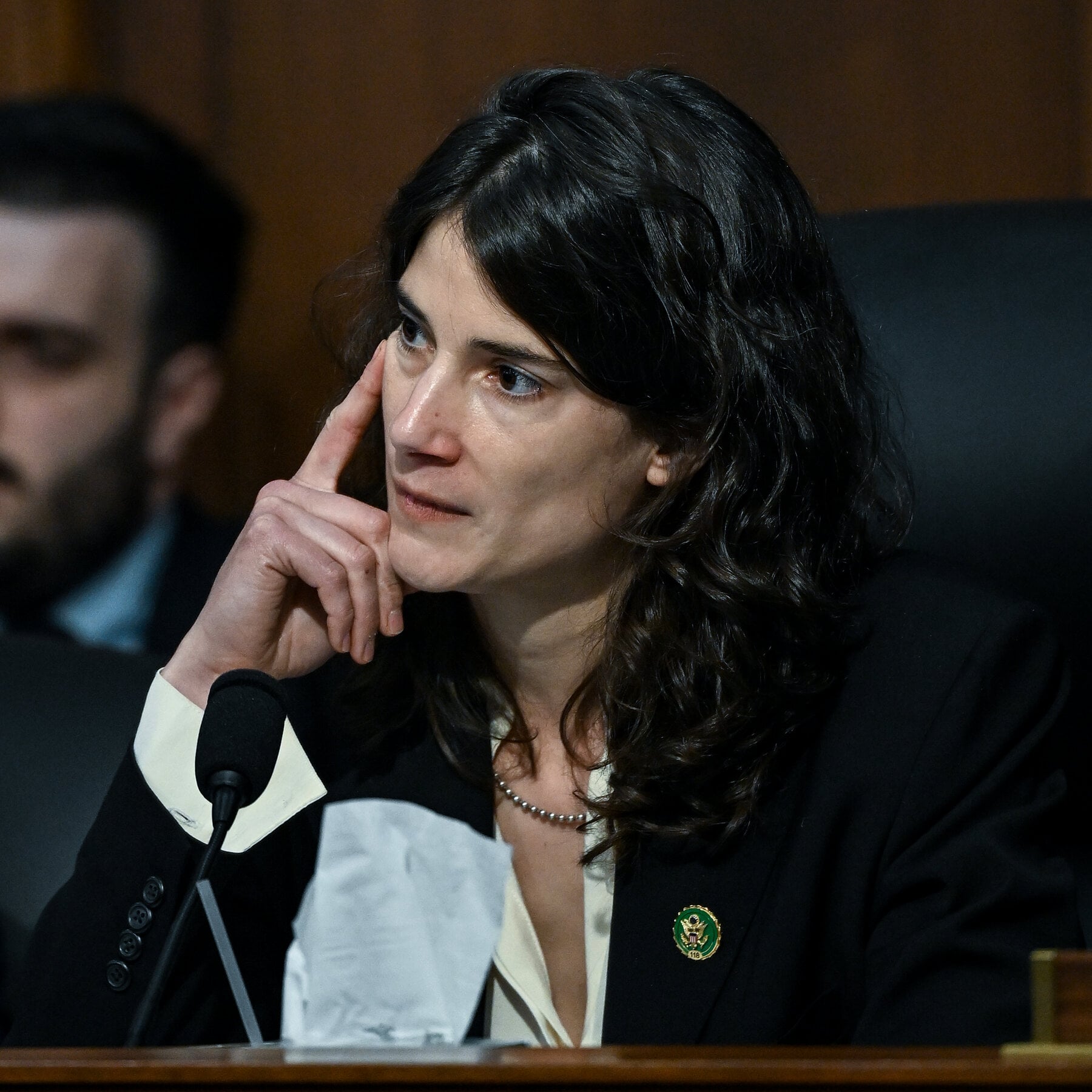
In response to these concerns, Representative Marie Gluesenkamp Perez introduced a proposal calling for mandatory cognitive fitness tests for members of Congress aged 70 or older. Perez framed the proposal as a reasonable safeguard to ensure that lawmakers can still perform their duties effectively. She compared the proposed cognitive testing to the vision tests required for drivers’ licenses, arguing that if drivers must prove they can see clearly, then lawmakers should demonstrate they can think clearly before making decisions that affect millions of Americans.
The proposal would have tasked the Office of Congressional Conduct with overseeing cognitive assessments for older lawmakers. While the proposal did not call for mandatory resignations based on the test results, it aimed to provide a mechanism for evaluating whether elected officials remain fit for office. The initiative was intended to be a modest yet meaningful step to address public concerns about the aging Congress and its ability to effectively govern.
However, when Perez introduced the proposal, it was quickly shut down by the House Appropriations Committee, which showed no appetite for advancing the measure. The swift rejection of the proposal highlighted a significant challenge: those who would be most impacted by the tests—the senior lawmakers—are the same individuals who must vote on whether to implement such measures. This in-built resistance to reform has become a central obstacle in addressing the concerns about cognitive fitness in Congress.
Resistance and Backlash: The Age Debate

The idea of cognitive testing has been met with sharp resistance from some lawmakers, who view it as an attack on their abilities and a challenge to their authority. Age in politics has long been associated with wisdom, experience, and credibility. The notion that older politicians could be deemed unfit for office strikes at the heart of this cultural narrative, leading many to push back against the proposal. Some lawmakers have dismissed it as ageist, framing the call for cognitive testing as an unfair attack on those who have dedicated decades of service to their country.
This backlash is not just emotional; there are also significant practical and constitutional concerns about how cognitive fitness tests would be implemented. Who would decide the standards for cognitive fitness? How often would lawmakers be tested, and what consequences would they face if they failed the tests? These questions touch on fundamental issues of governance, including the balance of power in Congress and the role of oversight in a democratic system.
Despite these concerns, there is a growing public sentiment in favor of some form of accountability for aging lawmakers. Polling data indicates that a significant portion of the American public supports cognitive testing or other health-related checks for older members of Congress. This growing disconnect between public concerns and lawmakers’ resistance to reform has fueled the perception that Congress is increasingly out of touch with the realities faced by the people it represents.
Alternatives to Cognitive Testing: Term Limits and Mandatory Retirement
While cognitive fitness testing is one proposed solution, it is not the only option on the table. Some have suggested that Congress should introduce term limits or mandatory retirement ages to ensure that lawmakers step down when they are no longer fit to serve. Term limits, which would prevent lawmakers from serving for extended periods, are seen by some as a way to refresh the leadership in Congress and ensure that fresh perspectives are brought to the table. However, critics argue that term limits could lead to a loss of institutional knowledge and expertise, weakening the effectiveness of Congress in the long run.
Another proposal is to implement a mandatory retirement age for lawmakers. This would set a clear age limit beyond which individuals could no longer hold office, forcing out those who have reached a certain age and are perceived as less capable. While this approach could ensure that only fit individuals remain in office, it also raises concerns about fairness and the potential for losing experienced leaders who are still mentally sharp and capable of governing effectively.
Both term limits and mandatory retirement ages offer potential solutions, but they come with their own set of challenges. Term limits could result in the loss of valuable experience, while mandatory retirement could force out competent leaders who are still capable of serving. These alternatives highlight the complexity of the issue and the difficulty of balancing accountability, capability, and the value of experience in Congress.
A Broader Debate on Leadership and Accountability

The debate about cognitive testing and the age of lawmakers is part of a broader conversation about leadership and accountability in the U.S. government. Many argue that experience is invaluable in governance, pointing to the success of senior lawmakers who continue to serve effectively well into their 80s. These individuals possess institutional memory and knowledge that younger lawmakers often lack, and their leadership is seen as crucial in navigating the complexities of legislation.
However, others argue that the demands of modern governance require cognitive agility, adaptability, and quick decision-making—qualities that may decline with age. In an era where global crises and technological advancements require rapid responses, the question arises: can older lawmakers continue to keep pace with the challenges of the modern world?
This tension has led to discussions about how best to balance the benefits of experience with the need for mental sharpness in leadership. Whether through cognitive testing, term limits, or mandatory retirement ages, the central question remains: how can Congress ensure that its leaders are fully capable of performing their duties without compromising the benefits of experience and institutional knowledge?
The Push for Reform

The push for reform in Congress is not just about addressing the cognitive abilities of aging lawmakers; it’s about ensuring that the democratic system functions as intended. When the public loses faith in its representatives due to concerns about their ability to govern, the entire system is at risk. Whether through cognitive fitness tests, term limits, or other measures, the need for accountability in Congress is becoming more urgent.
Representative Marie Gluesenkamp Perez’s proposal is just one step in this larger effort to hold lawmakers accountable for their fitness to serve. While her proposal was rejected, the conversation it sparked about cognitive fitness and age in Congress is far from over. As public concerns about the aging of Congress continue to grow, lawmakers will be under increasing pressure to address these issues and take action to ensure that their leadership remains effective, transparent, and accountable.
Conclusion: A Call for Action
In conclusion, the debate about cognitive fitness testing for lawmakers is a reflection of a broader desire for accountability in the U.S. government. While the proposal for cognitive testing has faced resistance, the growing public concern about aging lawmakers and their ability to govern effectively cannot be ignored. Whether through testing, term limits, or mandatory retirement, the goal should be to ensure that Congress remains capable of making decisions in the best interests of the American people. As trust in institutions continues to decline, it is up to Congress to prove that it is committed to transparency, renewal, and ensuring that its leaders are fully capable of serving the public.