
Table of Contents
- A Cultural Twist You Didn’t See Coming — Cats Become National Icons in Thailand
- The Big Reveal: Five Thai Cat Breeds Get Official Recognition
- From Ancient Texts to Instagram Fame: How Thai Cats Captured History
- Why This Matters Beyond Cute Photos and Cat Memes
- The Creative Economy Gets a Feline Boost
- Home and Hearth: Pets in the Modern Thai Household
- Pets and Public Policy: Microchips, Registration, and Urban Living
- Strays, Welfare, and the Question of Compassion
- Globally, Cats as Cultural Ambassadors
- What Comes Next — For Thailand, Cats, and Cultural Trends
A Cultural Twist You Didn’t See Coming — Cats Become National Icons in Thailand
In a move that’s capturing attention from Bangkok to Boston, Thailand has officially recognised five native cat breeds as national pet symbols — joining the Thai elephant, fighting fish, and mythic Nāga in the country’s roster of national icons.
But this isn’t just a cute headline for animal lovers. It’s a story about heritage, identity, economics, tourism, and how pets — especially cats — are shaping a nation’s creative future.
What does it mean when a government elevates cats to national symbol status?
And how could this affect everything from travel itineraries to home décor trends and pet adoption policies worldwide?
Let’s unpack it — one whisker at a time.
The Big Reveal: Five Thai Cat Breeds Get Official Recognition
On 18 November 2025, the Thai government gave official status to five cat breeds as national pet symbols — a historic cultural declaration drawn up by Thailand’s National Identity Committee and approved by the cabinet.
The breeds are:
- Suphalak – the noble copper‑coated cat with deep cultural lore.
- Korat (Si Sawat) – with stunning green eyes and a reputation for luck.
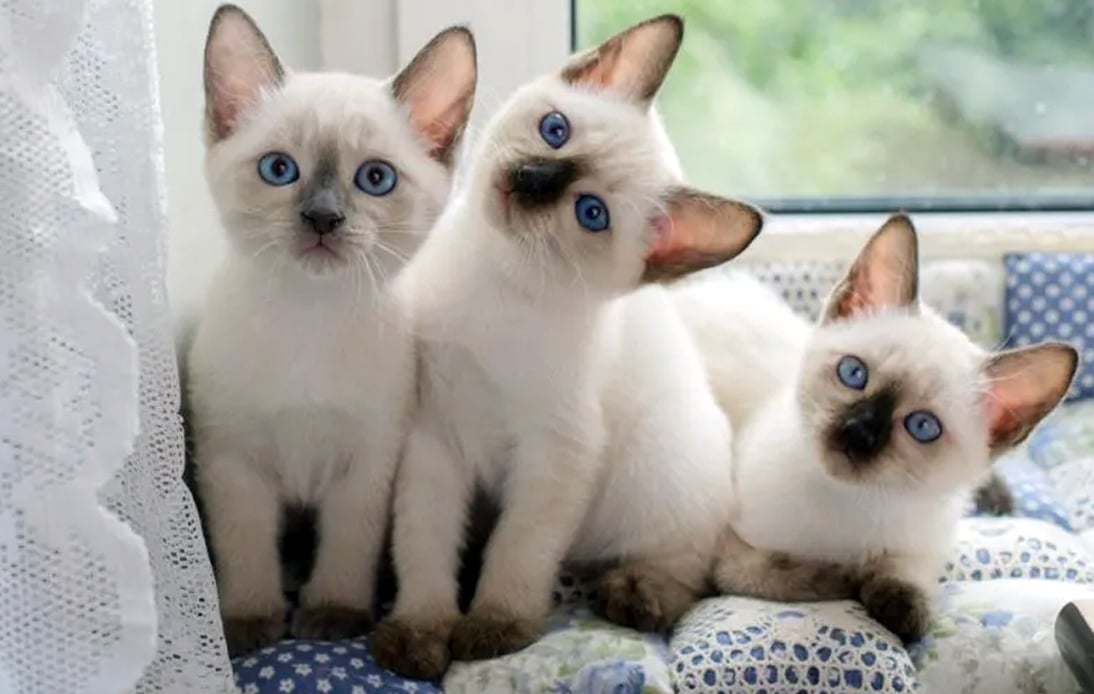
- Siamese (Wichian Maat) – one of the world’s most recognizable cat breeds, with royal lineage.
- Konja (Koncha) – a sleek black cat once seen as a guardian figure.
- Khao Manee – the rare white “gem eye” breed with odd‑colored eyes.
These breeds are not just pets — they are living symbols of Thai heritage, woven into folklore, traditional art, and even temple histories.
Imagine booking a trip to Bangkok — and finding a feline museum, cultural tours, and even cat‑centric cafés inspired by national symbols.
That’s the kind of cultural weight this decision carries.
From Ancient Texts to Instagram Fame: How Thai Cats Captured History
These aren’t random breeds pulled from a shelter.
Thai cats, especially breeds like the Suphalak and Korat, have been part of Thailand’s story for centuries — even appearing in ancient manuscripts produced on traditional Samut Khoi paper. These texts describe cats as bearers of good fortune, home guardians, and companions of royalty.
Consider this: the Suphalak was once so revered that folklore claims a conquering army sought to take these treasured cats back home as prized possessions.
Now fast‑forward to 2025:
Cats that once featured in ancient verse are officially recognised by the state — a journey from folklore to the political and cultural mainstream.
Ask yourself: What animal in your country carries that kind of historical—and modern—significance?
The answer may offer a clue to how deep culture and companionship can intersect.
Why This Matters Beyond Cute Photos and Cat Memes
This move is more than just adorable headlines and viral cat videos.
Thailand’s decision signals strategic cultural and economic thinking.
Here’s how:
1. Tourism with a Twist
Travel trends aren’t just about beaches and temples anymore.
Today’s savvy travellers seek unique experiences — like local lore, heritage trails, and pet‑centric tourism.
Thailand could soon see:
- Cat heritage tours
- Museum exhibits tied to national breeds
- Animal‑themed cultural festivals
- Café circuits highlighting Thai cats
This isn’t far‑fetched: “pet tourism” is already a growing niche globally, with dedicated searches outpacing generic travel planning terms in regions like Southeast Asia and Europe.
Now imagine adding Thailand native cat experiences to travel guides — that’s a high‑intent travel keyword trend waiting to happen.
The Creative Economy Gets a Feline Boost
Thailand has been pushing to expand its creative economy — sectors like art, design, storytelling, fashion, and entertainment that build global cultural presence.
Officially recognising native cats opens the door to:
- Merchandising (from figurines to apparel)
- Animation and storytelling
- Brand partnerships with global cat‑centric media
- Publishing and books on Thai heritage cats
Cultural symbols often become exportable intellectual property — think of Scotland’s thistle, Canada’s maple leaf, or India’s Bengal tiger.
Now Thailand has its own feline flag bearers that can be part of cultural exports and brand identity.
Cats on t‑shirts and tourist mugs? That’s only the beginning.
Home and Hearth: Pets in the Modern Thai Household
Thai cats are now national symbols, but life on the ground tells a more complicated story.
While elites and breeders celebrate, animal welfare advocates point out that:
- There are hundreds of thousands of stray cats across Thailand
- Welfare support, sterilisation programs, and vaccination initiatives are limited
- Government recognition doesn’t yet include direct protections for strays
Bangkok alone has struggled with stray populations that surged during the COVID‑19 pandemic, as many pets were abandoned.
The new pet rules coming into effect — like cat registration and microchipping mandates in the Bangkok metropolitan area — may mark the start of modern pet governance in Thailand.
But will this symbolic recognition improve the everyday lives of cats both in homes and on the streets?
That’s a debate gaining traction — with welfare groups calling for concrete action, not just symbolic status.
Pets and Public Policy: Microchips, Registration, and Urban Living
From January 10 next year, cat owners in the Bangkok area will be required to:
- Register and microchip their pets
- Observe pet ownership limits based on home size
This is a big shift toward responsible pet ownership — and it could reshape how urban living integrates companion animals.
Think about the broader implications:
- Greater demand for microchips and veterinary services
- More home improvement spending on cat‑friendly spaces
- New health and safety standards for pets in apartments
- Local regulations that influence pet‑related property decisions
For advertisers and businesses, this opens doors for pet care services, microchipping clinics, indoor cat‑friendly furniture, and luxury pet travel planning.
And for families thinking about adding a feline friend — it’s a reminder that getting a cat is now tied to broader responsibilities and cultural respect.
Strays, Welfare, and the Question of Compassion
Not everyone sees the public policy shift as enough.
Rescue workers argue that:
- Recognition of pure‑bred cats may overshadow the real welfare crisis of stray and community cats.
- Without programs for vaccination, spay/neuter, and shelter support, national symbols may become status icons for a few, not comfort for many.
One Bangkok resident who shelters 25 rescued cats says the government should prioritise every cat — not just the breeds now symbolised.
This is a tension many countries face:
national pride vs grassroots welfare needs.
It’s one thing to celebrate heritage cats in government chambers.
It’s another to make sure that every animal, from pedigreed Siamese to street‑wise alley cats, has a chance at a safe, healthy life.
And that opens up a deeper question:
Can cultural recognition drive real welfare improvements — or does it risk ignoring communities left behind?
That’s the next big chapter in Thailand’s evolving cat story.
Globally, Cats as Cultural Ambassadors
Cats have long been part of human culture worldwide:
- In Japan, the maneki‑neko beckons fortune.
- In Egypt, cats were worshipped as sacred.
- In Turkey, street cats in Istanbul are local celebrities.
Now Thailand adds its own permanent feline chapter to the global story — one where cats symbolize heritage, luck, identity, and national pride.
This isn’t just a Thai story — it’s part of a larger cultural trend:
how humans use iconic animals to define who we are, what we value, and how we want the world to see us.
Imagine walking through Bangkok’s cultural district and seeing murals of Suphalak, or spotting Khao Manee motifs in artisan boutiques.
That’s the kind of cultural resonance that goes beyond borders.
What Comes Next — For Thailand, Cats, and Cultural Trends
Thailand’s decision is more than a news item.
It’s a starting point:
- For international tourism campaigns
- For pet‑friendly travel itineraries
- For creative industry growth
- For new markets in pet care and lifestyle
- For deeper conversations about compassion and animal protection
And here’s an open loop to leave you with:
What happens when a country’s national symbols become part of everyday life — in homes, in art, on passports, and in global culture?
Are cat cafés the next UNESCO heritage sites?
Could Thai native cats become travel mascots on airline ads?
What if this sparks the world’s first feline cultural festival?