
Table of Contents
- When Washington decided it would rather pay for wind to disappear
- The deal centers on two East Coast wind leases that are now effectively dead
- TotalEnergies is not walking away from America, only from offshore wind
- The administration is turning its opposition to offshore wind into direct action
- Supporters call it realism, critics call it sabotage
- The East Coast power crunch makes the move more consequential
- Taxpayers may be funding a precedent far bigger than one company
- Europe, LNG, and geopolitics are part of the sales pitch
- This may prove a good deal for TotalEnergies and a bad one for almost everyone else
- What this means for America’s energy future
When Washington decided it would rather pay for wind to disappear
When news broke that the Trump administration would pay roughly $1 billion to French energy giant TotalEnergies to walk away from two major U.S. offshore wind leases, the announcement landed as more than another energy policy fight. It felt like a sharp declaration of intent. This was not just the federal government slowing renewable development through delays, permitting fights, or regulatory skepticism. This was the government actively spending taxpayer money to stop wind farms from being built at all, while steering that same capital toward liquefied natural gas, oil, and shale development instead.
That distinction is what makes this moment so striking. Previous clashes over offshore wind often revolved around court battles, local opposition, permitting disputes, or presidential hostility expressed through speeches and executive orders. This deal moves into more direct territory. The federal government is not merely arguing that offshore wind is expensive or inconvenient. It is effectively buying back the future of two projects so they cannot be revived later under a friendlier administration. In political terms, that is an escalation. In energy terms, it is a redirection of one of the country’s most contested power sources at exactly the moment when electricity demand, especially along the East Coast, is becoming a much bigger national concern.
The deal centers on two East Coast wind leases that are now effectively dead
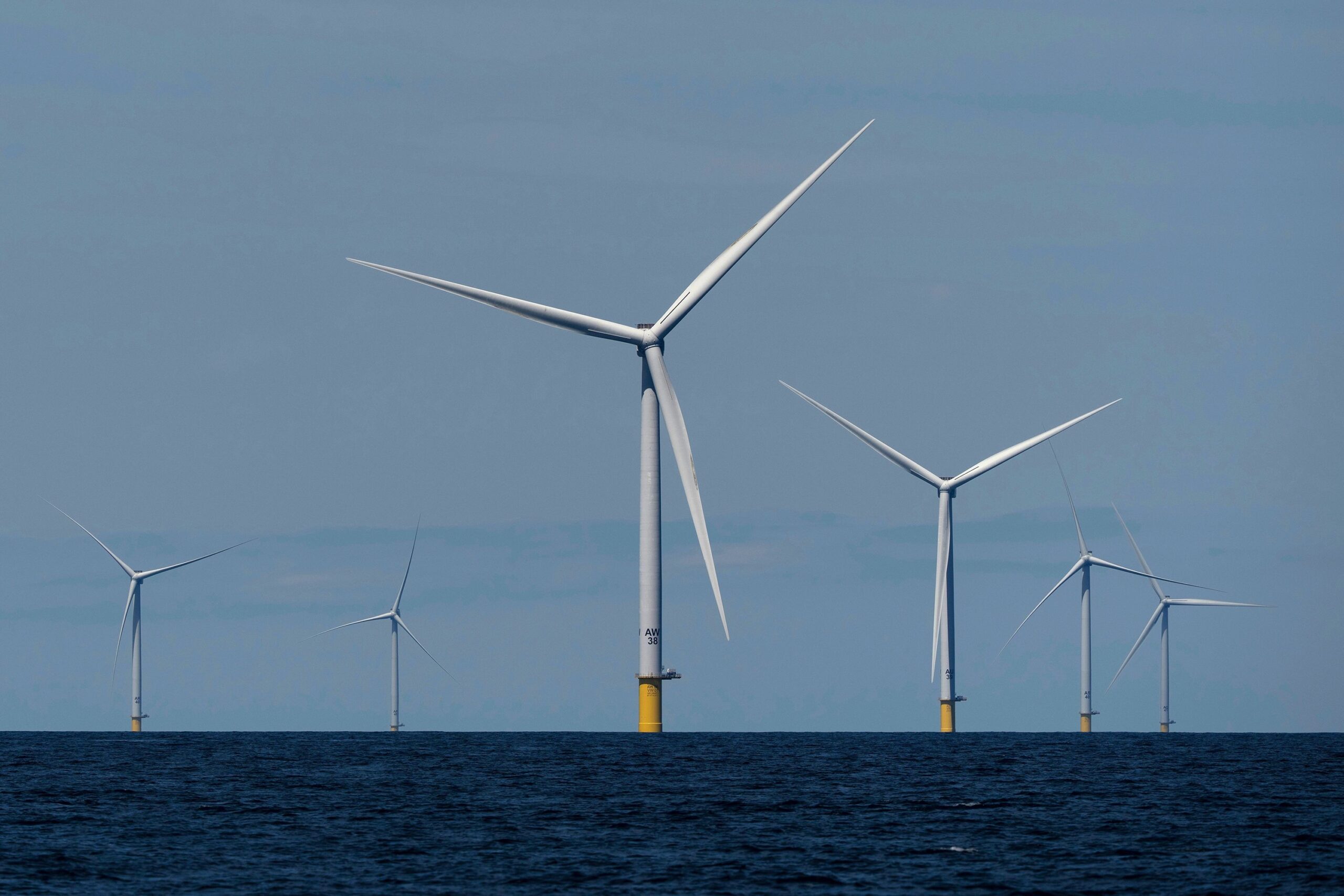
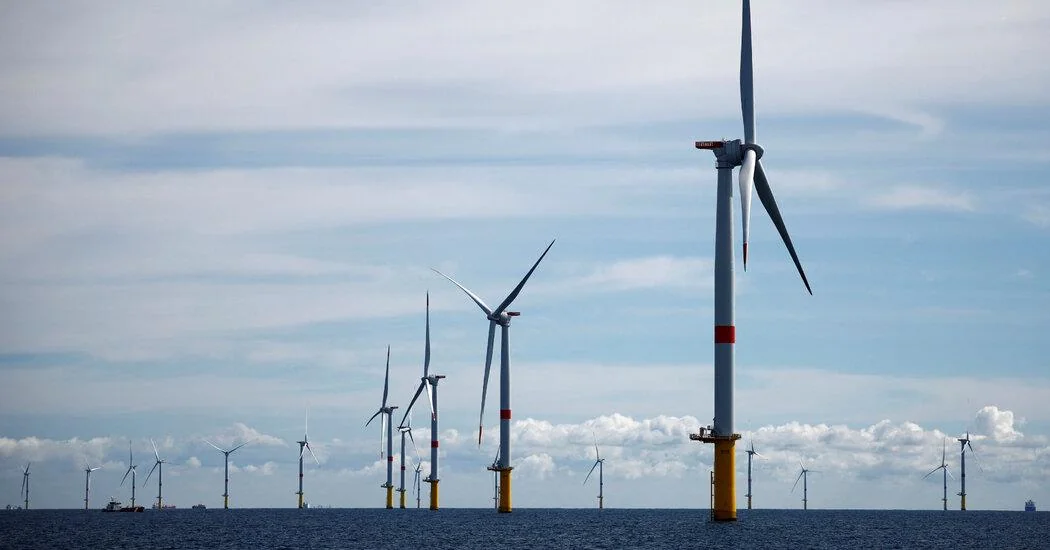
The agreement involves TotalEnergies abandoning two offshore wind projects tied to federal leases in the New York Bight and Carolina Long Bay areas. Reuters reported that the U.S. government will reimburse the company about $1 billion for those lease purchases, after which the leases will be terminated. The Associated Press similarly reported that the company paid roughly $928 million for the leases and that the administration agreed to refund the money as part of a broader effort to stop offshore wind expansion.
Those were not symbolic projects. AP reported the two developments together had the potential to generate enough electricity to power around 1.3 million homes. Other reporting placed the total scale at several gigawatts, enough to matter significantly in regional electricity markets. That is why critics are treating the move as more than a political gesture. The projects were part of a larger pipeline of future generation capacity in a part of the country where power demand is already tightening and prices are under pressure. Pulling that much future supply out of the system is not just an ideological statement. It changes the energy math.
The administration’s defenders argue those projects were too costly, too weather-dependent, and too uncertain to justify continued support. But the practical effect is clear. Wind capacity that had been expected to enter the long-term planning horizon has now been deliberately removed, and taxpayer money is being used to make sure that happens cleanly and quickly.
TotalEnergies is not walking away from America, only from offshore wind
One reason the deal has drawn such attention is that TotalEnergies is not leaving the United States. It is being redirected. Reuters reported that the company will now invest about $928 million into fossil fuel projects, including its stake in the Rio Grande LNG plant in Texas, as well as oil and gas development in the Gulf of Mexico and U.S. shale regions. AP and other reports described this as a pivot away from offshore wind and toward projects that align much more closely with the Trump administration’s energy philosophy.
That makes the optics of the agreement especially powerful. This is not just a refund. It is a conversion. Money once tied to future renewable generation is being rerouted into liquefied natural gas exports and hydrocarbon extraction. For the administration, that is the point. Interior Secretary Doug Burgum praised the company’s commitment to projects that, in his view, produce dependable and affordable power. TotalEnergies chief executive Patrick Pouyanné defended the decision by saying offshore wind development is not in the country’s interest and that the redirected investments will help supply Europe with U.S. LNG and provide fuel for data center growth in the United States.
In other words, both sides are presenting this as a strategic realignment rather than a retreat. The company gets its lease money back. The administration gets to kill two wind projects and claim it has unlocked more reliable fossil-fuel investment. The losers, according to critics, are taxpayers and future electricity consumers.
The administration is turning its opposition to offshore wind into direct action
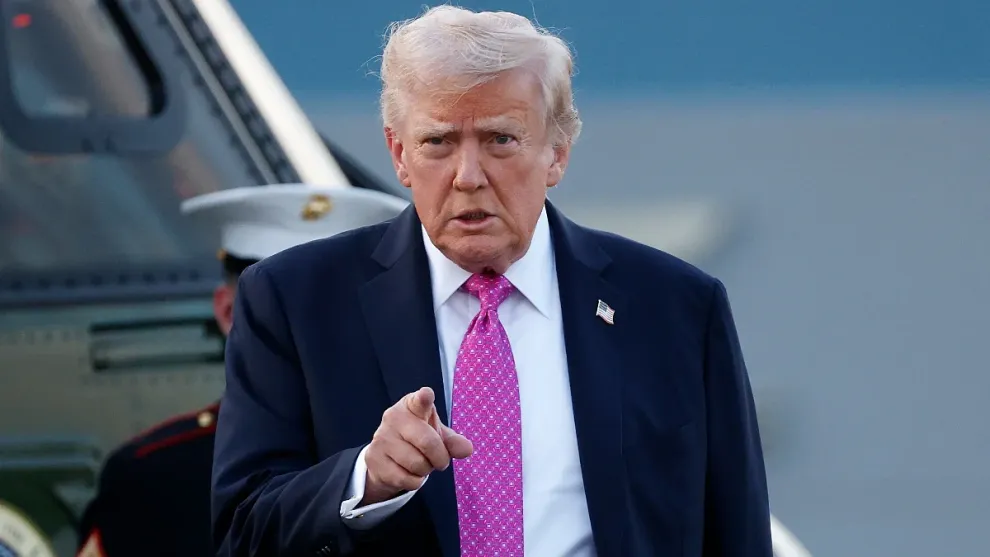
President Trump has attacked wind energy for years, especially offshore wind, which he has portrayed as ugly, expensive, unreliable, and damaging. Reuters noted that the administration has criticized offshore wind as too costly and dependent on weather, while AP described the current agreement as part of a broader push to scale back renewable energy projects and support fossil fuel development instead.
What makes this episode different is that it shows a tactical evolution. Earlier efforts largely focused on stopping permits, imposing moratoriums, or issuing stop-work orders. Reuters reported last week that the administration was weighing a settlement of nearly $1 billion with TotalEnergies after previously moving to cancel the leases regardless of whether the company accepted the deal. Now that the deal is real, the message is unmistakable: the administration is willing to spend public money not just to slow offshore wind, but to erase it from the pipeline before the projects become mature enough to survive legal or political change.
That matters because renewable projects often survive political swings once enough capital, contracts, and construction are in place. Buying them out early is a way to make sure that future administrations inherit less of an offshore wind pipeline to revive. In that sense, this is energy policy designed not only for today’s politics, but for tomorrow’s constraints.
Supporters call it realism, critics call it sabotage
The administration’s case rests on a familiar argument. Offshore wind is framed as too expensive, too intermittent, and too dependent on subsidies or state policy support. Burgum and other officials have emphasized reliability, affordability, and baseload power, contrasting wind’s dependence on weather with fossil fuel generation that can be dispatched on demand. That argument has political traction, especially in a moment of international instability and volatile fuel markets.
But critics say the administration is telling only part of the story. Offshore wind does face higher upfront costs than some other power sources, especially because of supply-chain constraints, marine construction complexity, and financing costs. Yet it also has no fuel cost, which means once built, it is not exposed to the same commodity-price swings that batter gas and oil markets. AP reported that clean-energy and offshore wind advocates blasted the deal as a misuse of taxpayer money, and Reuters quoted criticism that removing this capacity from the pipeline could further tighten electricity supply just as prices are already rising.
That is the core divide. One side sees offshore wind as an overpriced gamble. The other sees it as exactly the kind of fixed-price, homegrown power source that becomes more valuable when fossil fuels are volatile. The administration has clearly chosen the first view and is now spending public funds to enforce it.
The East Coast power crunch makes the move more consequential
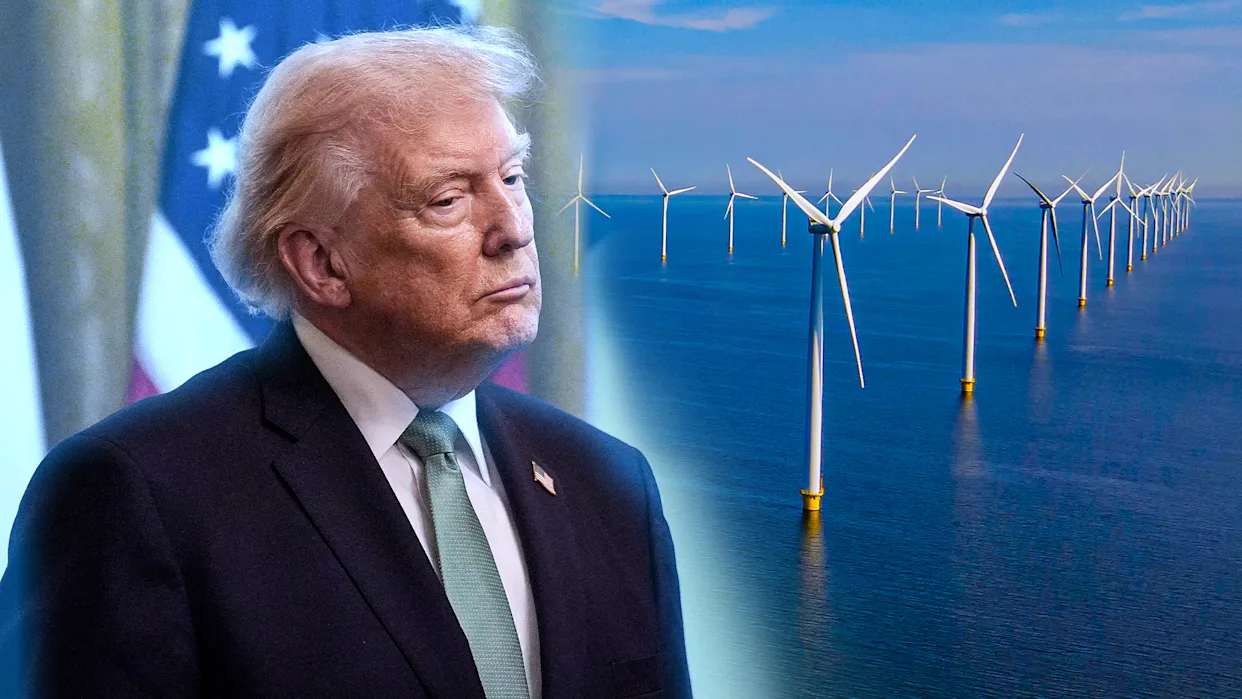
This decision is arriving at a particularly sensitive time for the U.S. grid. Power demand is rising, especially because of data centers, electrification of homes and vehicles, and broader economic growth in energy-intensive sectors. Reuters and other recent reporting on U.S. energy markets have repeatedly pointed to mounting concerns over generation adequacy and regional price pressure. The AP summary of this wind deal also noted the importance of the scrapped projects for states that were counting on new power supplies.
That is why critics argue the timing is especially perverse. Along parts of the East Coast, electricity markets are already under strain. New generation is hard to build quickly. Transmission remains a bottleneck. Power-hungry data centers are adding pressure faster than planners once expected. In that context, canceling future offshore wind capacity does not just represent a symbolic culture-war win. It removes one of the larger scalable sources of new regional power that states had been trying to bring online.
Clean-energy advocates argue that if the administration truly cared about lower power bills and more domestic generation, it would not be paying companies to walk away from large projects that could eventually help relieve supply pressure. Instead, they say, it is narrowing the future menu of options and betting more heavily on fuels whose price can spike with global events.
Taxpayers may be funding a precedent far bigger than one company
Perhaps the most important unanswered question is whether this is the first such deal or the first of many. AP reported that undeveloped offshore wind leases off the Atlantic, Pacific, and Gulf coasts total more than $5 billion, not counting pre-development spending by companies. Some developers have already signaled they expect compensation if the federal government blocks projects indefinitely. Reuters cited German energy company RWE as one of the firms likely to seek reimbursement if it is not allowed to proceed with projects tied to leases it bought.
That possibility raises the stakes dramatically. If the TotalEnergies settlement becomes a model, the cost to taxpayers could balloon well beyond this headline figure. The administration may find itself in a position where it either allows at least some wind projects to move forward or pays large sums to unwind them. Either path carries political and fiscal consequences.
And not every company will be able to offer the same bargain TotalEnergies did. Total could redirect its reimbursed capital into oil and gas projects the administration favors. Other offshore wind developers may not have that kind of fossil-fuel portfolio. Some may simply want their money back, or take legal action if they do not get it. That makes this deal potentially important as both policy and precedent.
Europe, LNG, and geopolitics are part of the sales pitch
Another striking feature of the deal is how explicitly it links U.S. domestic energy policy to European gas supply. TotalEnergies said the redirected investment will help provide LNG from the United States to Europe. That framing fits a larger story the administration wants to tell about American energy power: that the country should lean into exportable fossil fuel strength, support allied energy security, and use LNG as both an economic and geopolitical tool.
This is politically useful because it lets the administration present the deal not just as anti-wind, but as pro-alliance and pro-strategy. Instead of subsidizing what it sees as fragile domestic renewable expansion, it can say it is backing fuel sources that strengthen American exports, support Europe, and feed energy-hungry sectors like data centers.
Critics respond that this framing ignores the domestic need for more diverse sources of generation and treats short-term geopolitical messaging as more important than long-term grid resilience. But the administration’s argument is not just about economics. It is about identity. Fossil fuels are being recast not as legacy energy, but as strategic power.
This may prove a good deal for TotalEnergies and a bad one for almost everyone else
The most uncomfortable conclusion for opponents of the deal is that it may make perfect business sense for the company involved. TotalEnergies gets reimbursed for its lease spending, avoids years of political and regulatory uncertainty, exits a hostile federal environment, and reallocates capital into projects that the current administration openly supports. As one critic quoted in coverage noted, it may be a good deal for the company even if it is not a good deal for taxpayers or for the country’s broader energy needs.
That imbalance is central to the backlash. Taxpayer funds are being used to solve a problem largely created by the administration’s own hostility to offshore wind, while the company escapes uncertainty with its investment base protected. Consumers, meanwhile, do not get cheaper power from the canceled projects, and they may face tighter supply and higher prices later if replacement generation does not arrive fast enough.
This is why critics call the deal political theater. It creates a dramatic headline, demonstrates ideological commitment, and rewards a corporate pivot that flatters the administration’s worldview. But it also risks leaving the country with less future power, a bigger taxpayer bill, and a stronger precedent for publicly financed rollback of clean-energy development.
What this means for America’s energy future
The TotalEnergies agreement is not just about two wind leases off New York and North Carolina. It is a sign that the federal government is willing to shape the energy transition not only by encouraging some industries and discouraging others, but by directly paying to reverse course. That is a much more aggressive form of intervention than simple deregulation or rhetoric. It suggests the administration sees offshore wind not as a market choice it dislikes, but as a strategic threat it wants removed from the board.
Whether that strategy succeeds will depend on what happens next. If more companies seek reimbursement, the costs could multiply. If electricity prices rise further, critics will have a clearer case that killing future wind supply worsened the problem. If fossil fuel projects ramp up quickly and power markets stabilize, supporters will argue that the administration chose realism over ideology.
But even now, one thing is already clear. This is no longer a fight about whether Washington prefers oil and gas to offshore wind. It is a fight about whether the federal government should spend public money to make that preference permanent. And that is a much bigger argument than one settlement, one company, or one coast.