
Table of Contents
- Trump Reverses Stance on Medicare and Child Care Funding
- Contradictions and Campaign Promises
- A White House Response to the Backlash
- The Financial Context Behind Trump’s Comments
- The Cost of Child Care and Medicare
- Impact on the Upcoming Midterms
- The Legal and Political Ramifications
- What This Means for the Future of Medicare and Child Care
- Conclusion: A Shifting Political Landscape
Trump Reverses Stance on Medicare and Child Care Funding
In a significant departure from his previous campaign promises, President Donald Trump has admitted that funding for Medicare and child care programs is too costly for the federal government to manage. Speaking during a private Easter holiday lunch, Trump voiced concerns over the rising expenses of supporting social programs like Medicare and child care, shifting his position on two key promises made during his campaign. The change in stance has sparked backlash from Democrats and has led many to question the President’s commitment to his earlier promises.
Trump, known for his frequent vows to protect Medicare and address high child care costs, surprised many when he declared, “We’re a big country… we have all these other people. We’re fighting wars. It’s not possible for us to take care of day care, Medicaid, Medicare, all these things.” These comments directly contradicted the promises he made during his 2024 presidential campaign, in which he assured voters that these programs would be protected and expanded.
Contradictions and Campaign Promises
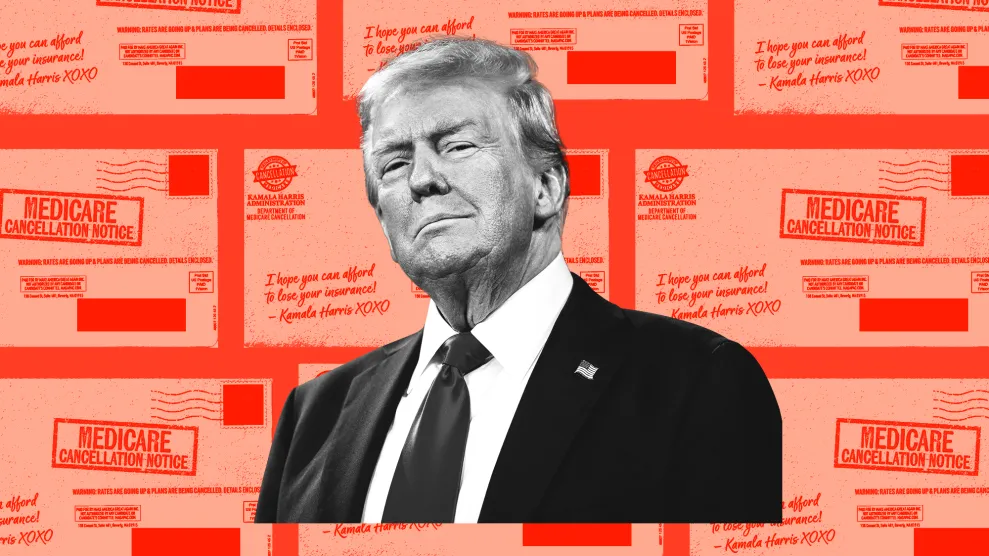
During his 2024 campaign, Trump consistently assured voters that he would safeguard Social Security and Medicare, two crucial social safety nets for millions of Americans. At a town hall in September 2024, Trump emphasized that his administration would work to make child care more affordable by using tariff revenue to offset costs. “Child care is child care. You have to have it,” Trump said at the time, explaining that foreign tariffs would provide the necessary funds to address child care costs across the country.
However, Trump’s comments during the Easter lunch mark a stark shift from these promises. He argued that the United States could no longer afford to fund child care programs and Medicare, particularly in light of ongoing wars and other pressing national issues. “I said to Russell, ‘Don’t send any money for day care because the United States can’t take care of day care,'” Trump said, referencing White House budget director Russell Vought.
This reversal has raised questions about the future of these vital social programs and whether Trump will backtrack on other promises made during his campaign.
A White House Response to the Backlash
In response to growing backlash, White House officials attempted to clarify Trump’s comments, arguing that the President was referring to tackling fraud within Medicare and Medicaid. White House spokeswoman Olivia Wales insisted that Trump’s remarks were focused on rooting out billions of dollars in fraud, with a particular focus on ensuring that illegal immigrants and ineligible individuals were not exploiting the programs.
“President Trump was referring to rooting out the billions of dollars of fraud in these vital programs,” Wales said. She added that Trump’s record showed his unwavering commitment to protecting and strengthening Social Security, Medicare, and Medicaid. This statement, however, did little to assuage concerns from critics, particularly those who argue that Trump’s stance undermines his past promises to protect these programs for seniors and working families.
Despite the clarification from the White House, critics remain unconvinced. They argue that Trump’s sudden shift in position on Medicare and child care signals a broader lack of commitment to social programs that are critical for millions of Americans.
The Financial Context Behind Trump’s Comments
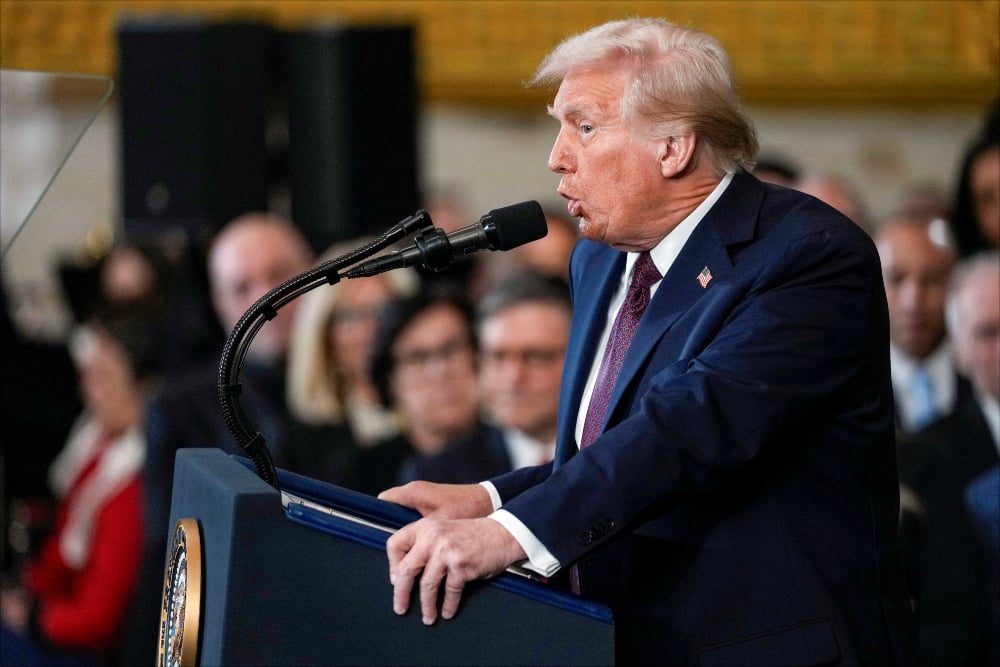
The financial strain of running the federal government has become a recurring theme in Trump’s recent statements. With the federal government facing significant challenges, including the costs of ongoing wars and the rise in inflation, the administration has had to reconsider its priorities. The escalating cost of defense spending and the financial burden of global conflicts have placed increased pressure on domestic spending, leading some experts to question whether the U.S. can continue to fund ambitious domestic programs like Medicare and child care.
In addition, Trump’s administration is facing challenges in managing the budget. The U.S. has struggled with a growing national debt, and many economic analysts believe that this will continue to constrain the government’s ability to fund social programs like Medicare and child care without substantial reforms or cuts.
Trump’s decision to shift his stance on these critical issues may reflect the mounting pressures of governing a country involved in numerous international conflicts. As the President seeks to balance the needs of the American people with the demands of global politics, it remains to be seen whether his revised position on Medicare and child care will have long-term political consequences.
The Cost of Child Care and Medicare
Medicare, which provides health coverage for 66 million Americans age 65 and older, represents a substantial portion of the federal budget, with an annual cost of about $1.1 trillion. Medicaid, which provides health coverage for low-income individuals, costs the government an additional $932 billion each year. The sheer scale of these programs makes them difficult to sustain without continued funding and reform.
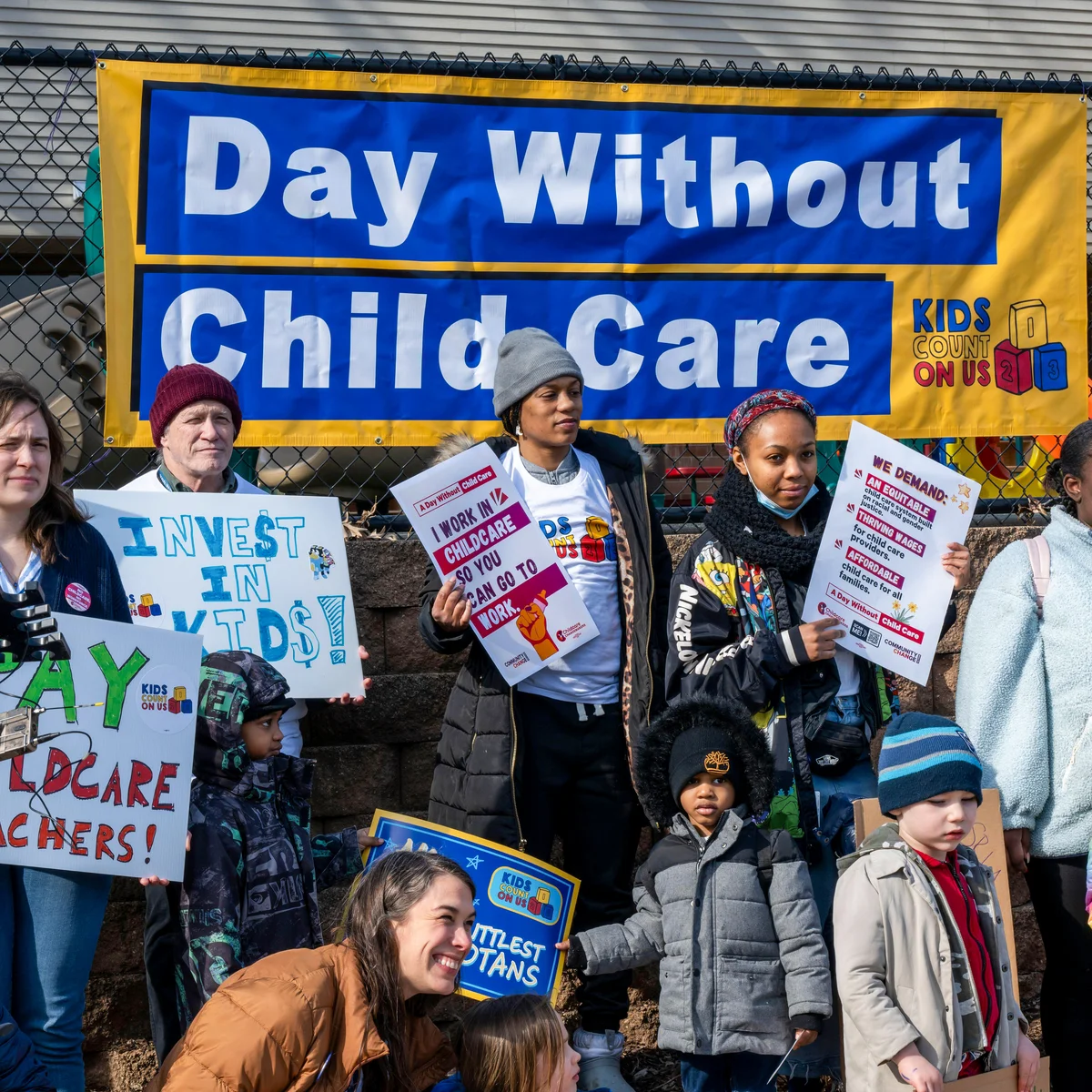
Meanwhile, child care costs have skyrocketed in recent years, with families now spending as much as 9 to 16% of their income on full-time care for their children. The federal government spent $29 billion on child care subsidies in 2022, but many experts argue that this is still not enough to meet the growing demand for affordable child care options. Trump’s new stance on child care funding suggests that he may not pursue the kind of bold reforms needed to address these costs for American families.
Impact on the Upcoming Midterms

Trump’s comments about Medicare and child care have already become a focal point for the Democratic Party, who are eager to use the President’s shift in position against him in the upcoming midterm elections. The Democratic National Committee quickly seized on Trump’s remarks, releasing a clip that had garnered over 12 million views by midday Thursday. DNC chairman Ken Martin used the moment to criticize Trump’s priorities, saying, “Trump says his war is more important than day care. This is a statement on priorities, and for Trump, America comes last.”
Republican strategists, on the other hand, have largely remained silent on the issue, wary of fueling further controversy in an already contentious election season. However, Trump’s comments may continue to be used against him by his opponents as they seek to galvanize support from working-class families who rely on Medicare and affordable child care.
The Legal and Political Ramifications
While Trump has yet to face any direct legal challenges over his shift in stance on these social programs, his comments may prompt further scrutiny from both political opponents and watchdog groups. The impact of these statements could have significant political ramifications, particularly in swing states where health care and child care affordability are major concerns for voters.
Additionally, if Trump’s proposed budget includes cuts to Medicare or child care funding, it could lead to widespread public opposition. As the 2026 midterm elections approach, candidates from both parties may use the debate over social programs as a key issue to rally voters.
What This Means for the Future of Medicare and Child Care
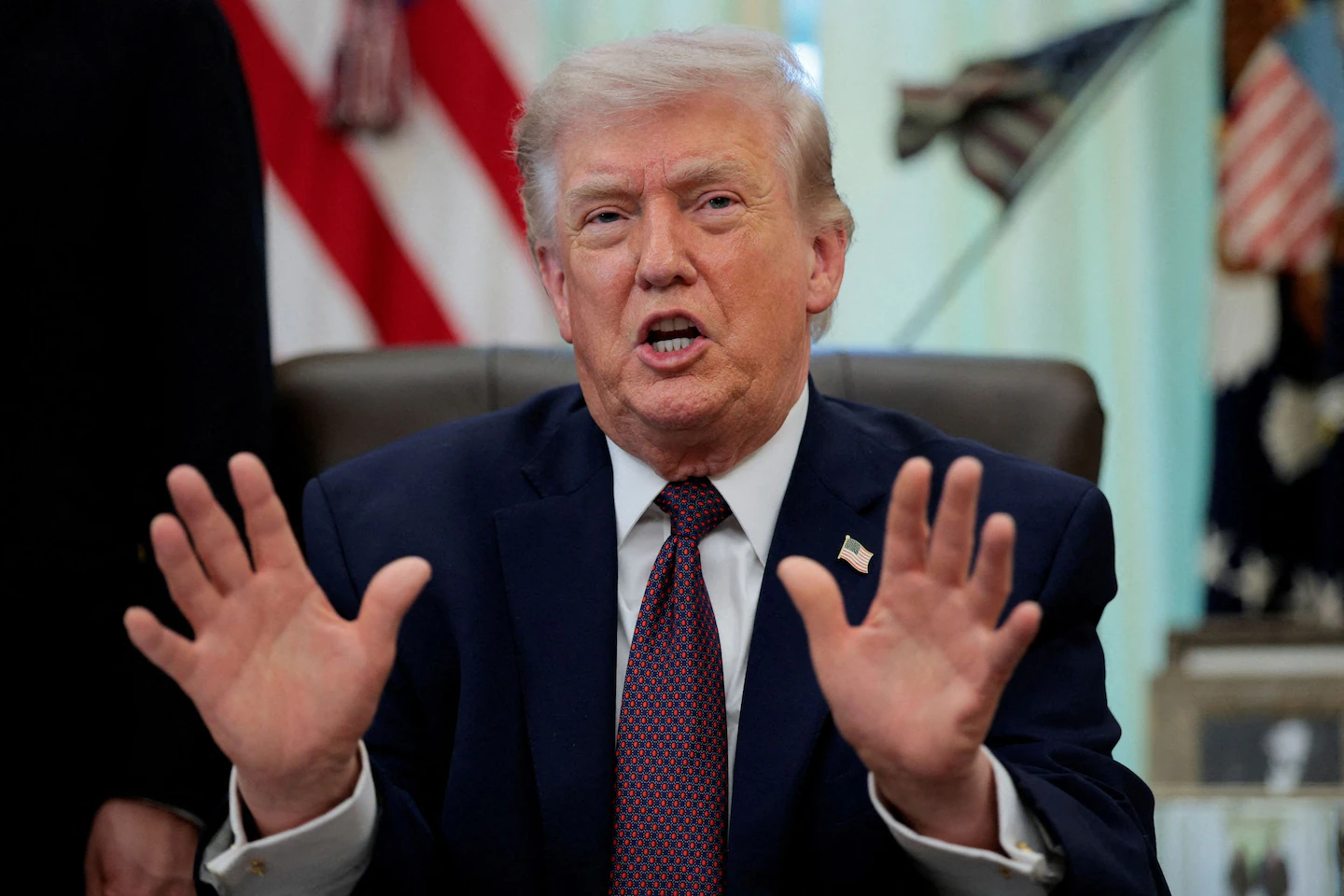
Trump’s reversal on his promises to protect Medicare and make child care more affordable signals a shift in his approach to domestic policy. As the U.S. grapples with rising inflation, ongoing wars, and mounting national debt, it is becoming increasingly clear that many long-standing promises will have to be re-evaluated.
For millions of Americans, the future of Medicare and child care remains uncertain. Without further action from the federal government, the costs of these essential programs will continue to rise, putting additional strain on families and seniors who rely on them.
Conclusion: A Shifting Political Landscape
Trump’s change in stance on Medicare and child care marks a significant shift in his political agenda, one that could have wide-reaching consequences for the upcoming elections. As both parties position themselves for the midterm battles, it will be crucial for voters to understand the true costs and implications of the decisions being made by their elected officials. For now, the future of these critical social programs remains uncertain, and it is up to voters to decide whether they want to prioritize social safety nets or embrace a more fiscally conservative approach.